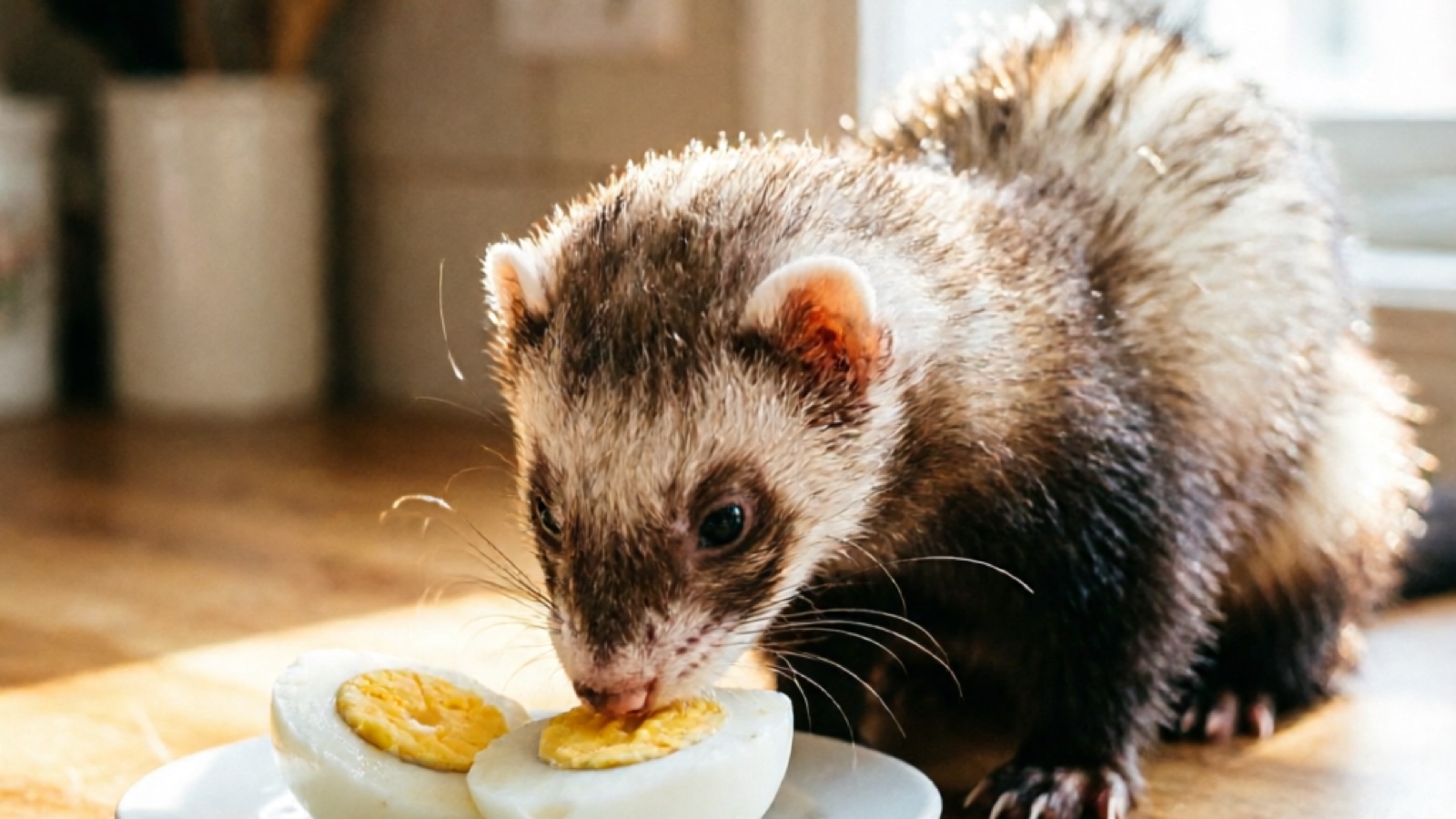
Quick Answer: Can Ferrets Eat Eggs?
Yes — and eggs are one of the most nutritionally appropriate treats you can give a ferret.
💡 TL;DR: Cooked eggs (boiled or scrambled, no seasoning) are excellent ferret treats. Half to one egg, 1-2 times per week. Raw eggs are dangerous due to avidin (causes biotin deficiency) and salmonella. No salt, butter, oil, or seasonings. Both egg white and yolk are safe when cooked.
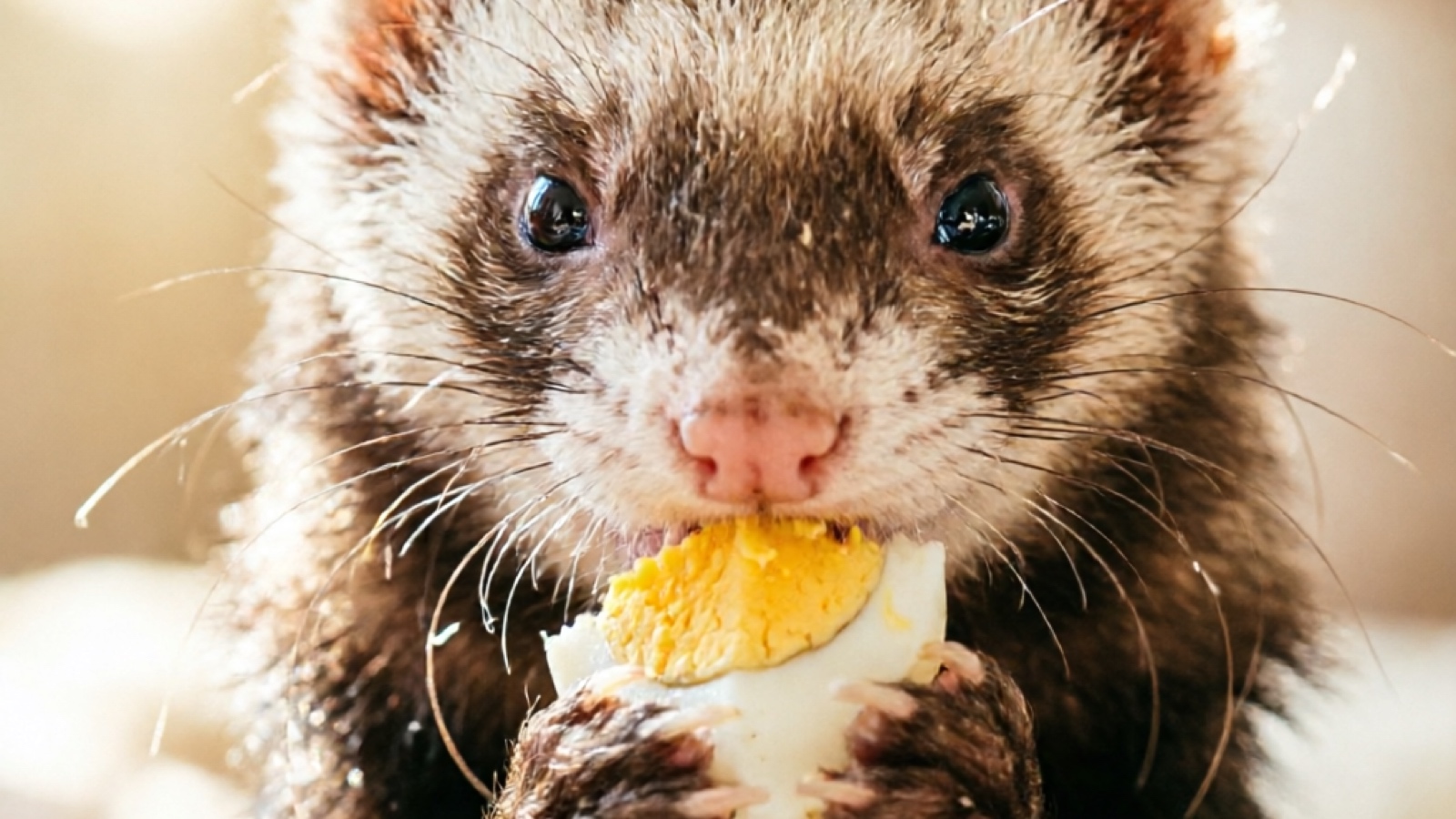
Here’s something that surprises a lot of new ferret owners: eggs are actually more natural for a ferret than almost any fruit or vegetable. Ferrets are obligate carnivores — their entire digestive system is designed for animal protein and fat. In the wild, a ferret’s diet consists of whole prey: mice, chicks, small rabbits, and eggs stolen from ground-nesting birds. An egg is, biologically speaking, exactly the kind of food a ferret is built to process.
I’ve been feeding eggs to my ferrets for years, and they’re consistently one of the most popular treats in my household. The difference between eggs and bananas (which ferrets should not eat) is dramatic — eggs support a ferret’s biology, while bananas actively work against it.
The catch is preparation. Raw eggs are dangerous. Seasoned eggs are dangerous. Too much egg causes problems. But when prepared correctly and served in moderation, eggs are arguably the best natural treat available for ferrets. For a complete guide to ferret nutrition, see our ferret diet guide and best ferret food recommendations.
Egg Nutrition Facts for Ferrets
kathson Drawer Litter Box is a quality option worth considering for your setup.
USDA nutritional data — raw whole egg, per 100g USDA FDC ID 01123 — “Egg, whole, raw, fresh”:
| Nutrient (per 100g) | Amount | Per Large Egg (~50g) | Relevance to Ferrets |
|---|---|---|---|
| Energy | 143 kcal | ~72 kcal | Moderate calorie density |
| Protein | 12.6g | ~6.3g | Excellent — matches ferret needs |
| Fat | 9.5g | ~4.8g | Excellent — primary energy source |
| Carbohydrate | 0.72g | ~0.4g | Negligible — ideal for ferrets |
| Fiber | 0g | 0g | Zero fiber — perfect |
| Sugar | 1.12g | ~0.6g | Very low sugar |
| Water | 75.8g | ~38g | Moderate hydration |
| Calcium | 56mg | ~28mg | Good calcium |
| Phosphorus | 198mg | ~99mg | Good phosphorus |
| Iron | 1.75mg | ~0.9mg | Good iron |
| Vitamin A | 520 IU | ~260 IU | Good for skin and coat |
| Vitamin B12 | 0.89µg | ~0.45µg | Essential for nervous system |
| Vitamin D | 82 IU | ~41 IU | Good for calcium absorption |
| Riboflavin (B2) | 0.46mg | ~0.23mg | Energy metabolism |
| Selenium | 30.7µg | ~15.4µg | Antioxidant |
| Biotin (B7) | ~50µg | ~25µg | Critical — raw egg destroys this |
| Choline | 254mg | ~127mg | Brain development, liver health |
Why Eggs Fit a Ferret’s Biology
Ferrets are obligate carnivores. Their nutritional profile requirements are radically different from dogs, cats, or omnivores:
- Protein: Ferrets need 32-38% minimum dietary protein from animal sources. Eggs provide complete protein with all essential amino acids.
- Fat: Ferrets need 18-22% minimum dietary fat. Eggs provide an excellent fat-to-protein ratio.
- Carbohydrates: Ferrets need essentially zero carbohydrates. Eggs contain less than 1g per 100g — virtually carb-free.
- Fiber: Ferrets cannot digest fiber. Eggs contain zero fiber.
- Taurine: Ferrets require taurine (an amino acid) from animal sources. Eggs contain moderate taurine.
Compare this to the nutritional nightmare of bananas, which provide 12g of sugar and 3g of fiber per 100g — both of which ferrets cannot process. Eggs are almost the perfect ferret food from a macronutrient perspective.
Cooked vs Raw Egg Nutrition
Cooking changes the nutritional profile in ways that matter specifically for ferrets:
| Nutrient Aspect | Raw Egg | Cooked Egg | Ferret Impact |
|---|---|---|---|
| Avidin (egg white) | Active — binds biotin | Denatured by heat — inactive | Critical: raw causes biotin deficiency |
| Salmonella risk | Present | Eliminated by cooking | Safety: cooking kills bacteria |
| Protein digestibility | ~50% (raw egg white) | ~91% (cooked) | Cooked = more usable protein |
| Vitamin A | Slightly reduced by cooking | Still excellent | Minor difference |
| Biotin absorption | Blocked by avidin | Normal | Cooked = biotin available |
The protein digestibility difference alone is significant. A ferret gets nearly twice as much usable protein from a cooked egg compared to a raw one. Combined with the avidin and salmonella risks, cooking is the clear winner on every metric.
Benefits of Eggs for Ferrets
Many owners find that So Phresh High-Back Pan works well for their pet’s needs.
High-Quality Animal Protein
At 12.6g per 100g (about 6.3g per large egg), eggs provide complete protein containing all essential amino acids a ferret needs. The protein in eggs has a biological value of 100 — the highest of any single food — meaning the body can utilize virtually all of it. For a ferret whose body demands animal protein, eggs deliver exactly what they need.
Ideal Fat Content
At 9.5g per 100g, eggs provide fat that ferrets use as their primary energy source. Ferrets burn fat far more efficiently than carbohydrates. The fat in eggs also supports healthy skin and a shiny coat — two visible indicators of ferret health.
Near-Zero Carbohydrates
At 0.72g per 100g, eggs contain negligible carbohydrates. This is exactly what a ferret’s digestive system expects. No sugar spikes, no insulin stress on the pancreas, no fermentation in the gut. In my experience, ferrets digest cooked eggs remarkably well with almost no gastrointestinal side effects when properly portioned.
Essential Vitamins and Minerals
Eggs provide vitamin A (skin, coat, immune function), vitamin B12 (nervous system, blood cell formation), vitamin D (calcium absorption, bone health), riboflavin (energy metabolism), and selenium (antioxidant protection). These micronutrients support overall health in ways that complement a ferret’s regular diet.
Choline for Brain Health
At 254mg per 100g, eggs are one of the richest dietary sources of choline. Choline supports brain development in young ferrets, liver function, and nerve signaling. This is a benefit that’s often overlooked but contributes to long-term cognitive health.
Palatability and Bonding
Ferrets overwhelmingly love eggs. The smell, texture, and taste make eggs one of the most effective bonding treats available. I’ve used tiny pieces of boiled egg to build trust with nervous rescue ferrets — it works faster than almost any commercial treat. For ferret training and bonding, eggs are a powerful tool.
Variety in the Diet
A varied diet reduces the risk of nutritional deficiencies and food boredom. Adding eggs 1-2 times per week introduces a different protein source from the ferret’s regular food, which broadens amino acid coverage and supports overall nutritional balance.
Risks and Precautions
For this purpose, Amakunft Grid Potty is a popular choice among pet owners.
Raw Eggs — The Biggest Danger
This is the single most important risk to understand. Raw eggs are dangerous for ferrets for two reasons:
Avidin and biotin deficiency: Raw egg white contains a protein called avidin that binds to biotin (vitamin B7) with extraordinary strength. When avidin binds biotin, the biotin becomes unavailable for absorption. Over time, this causes progressive biotin deficiency:
- Weeks 2-4: Subtle coat changes — slightly duller appearance
- Weeks 4-8: Hair thinning, especially around the tail and face
- Weeks 8-12: Dry, scaly skin (dermatitis), hair loss in patches, loss of appetite
- Weeks 12+: Neurological symptoms — tremors, seizures, paralysis. Potentially fatal if untreated.
Biotin deficiency is slow to develop but devastating once established. Recovery requires high-dose biotin supplementation and can take weeks to months. Prevention is far simpler: just cook the egg.
Salmonella risk: Raw eggs can carry Salmonella enteritidis. Ferrets are susceptible to salmonellosis, which causes severe diarrhea, dehydration, lethargy, fever, and in some cases death. Cooking eggs to an internal temperature of 160°F (71°C) eliminates salmonella.
Overfeeding and Nutritional Imbalance
Eggs are excellent but not complete. They lack sufficient calcium (the calcium-to-phosphorus ratio is approximately 1:3.5, while ferrets need closer to 1:1 to 1.5:1). Feeding eggs too frequently or in large amounts can cause:
- Calcium deficiency: From the inverted calcium-phosphorus ratio
- Nutritional displacement: Eggs filling the stomach instead of balanced ferret food, leading to gaps in essential nutrients
- Weight gain: While ferrets use fat efficiently, excess calories from frequent egg feeding contribute to obesity — a common and serious ferret health problem
Stick to 1-2 times per week, half to one egg per serving.
Seasonings and Additives
This seems obvious but it’s worth emphasizing because it’s the most common mistake:
- No salt: Ferrets are extremely sensitive to sodium. Even a pinch of salt can cause excessive thirst, kidney stress, and electrolyte imbalance.
- No butter or oil: Adds unnecessary fat and calories. Ferrets don’t need plant-based fats.
- No pepper or spices: Irritates the digestive tract and provides no nutritional benefit.
- No cheese or dairy: Ferrets are lactose intolerant. Even small amounts of cheese cause diarrhea.
- No ketchup, mayonnaise, or sauces: All contain sugar, salt, or dairy.
Plain, cooked, unseasoned eggs only.
Egg Shell Risks
While eggshells contain calcium, feeding them is risky:
- Choking hazard: Shell fragments can lodge in the throat or esophagus
- Intestinal perforation: Sharp shell pieces can puncture the intestinal wall — a life-threatening emergency requiring immediate surgery
- Impaction: Large shell pieces can cause intestinal blockage
If you want to use eggshells for calcium, they must be baked at 300°F (150°C) for 10 minutes, then ground to a fine powder in a coffee grinder. Even then, sprinkle only a tiny pinch onto food once a week — not daily. Most vets recommend getting calcium from balanced ferret food instead.
Allergic Reactions
While uncommon, some ferrets can develop allergies to eggs. Signs include:
- Itchy skin, excessive scratching
- Digestive upset (diarrhea, vomiting)
- Swelling around the face or paws
If you notice any of these after feeding eggs for the first time, discontinue and consult your vet. For other ferret health concerns, early detection is key.
Serving Guide
Standard Ferrets (1.5-2.5 lbs / 0.7-1.1 kg)
Most pet ferrets fall in this range regardless of breed or color variation.
- Amount: Half a large egg per serving
- Frequency: 1-2 times per week
- Preparation: Hard-boiled (preferred) or scrambled (no oil/salt), mashed or chopped into bite-sized pieces
Larger Ferrets (2.5-4+ lbs / 1.1-1.8+ kg)
Some lines, particularly intact males or certain breeding lines, can be substantially larger.
- Amount: Up to one large egg per serving
- Frequency: 1-2 times per week
- Note: Larger ferrets can handle a bigger portion but the frequency limit remains the same — eggs should not be a daily food
Smaller Ferrets / Kits (Under 1.5 lbs / 0.7 kg)
Young ferrets and smaller individuals.
- Amount: Quarter to half a small egg
- Frequency: Once a week
- Note: Smaller body means less room in the stomach for non-staple foods
Baby Ferrets (Under 12 Weeks)
- No eggs at all under 12 weeks
- At 8-12 weeks: if you want to introduce eggs early, use only a tiny amount of boiled egg yolk (not egg white) — roughly the size of a green pea
- At 12+ weeks: introduce a small amount of mashed boiled egg gradually, monitoring for 24-48 hours
Senior Ferrets (5+ Years)
Senior ferrets can continue eating eggs at the same frequency. Eggs are actually a good protein supplement for seniors who may be losing muscle mass or appetite. However, senior ferrets with kidney disease or other metabolic conditions may need dietary modifications — consult your vet. For more on senior care, see our ferret lifespan guide.
Ferrets with Insulinoma
Ferrets with insulinoma (a common pancreatic tumor) need a consistent, high-protein, high-fat, low-carbohydrate diet. Cooked eggs fit this profile well and can be a valuable supplement. However, always coordinate dietary changes with your vet when managing insulinoma.
How to Prepare Eggs for Your Ferret
Method 1: Hard-Boiled (Recommended)
This is the simplest and safest method:
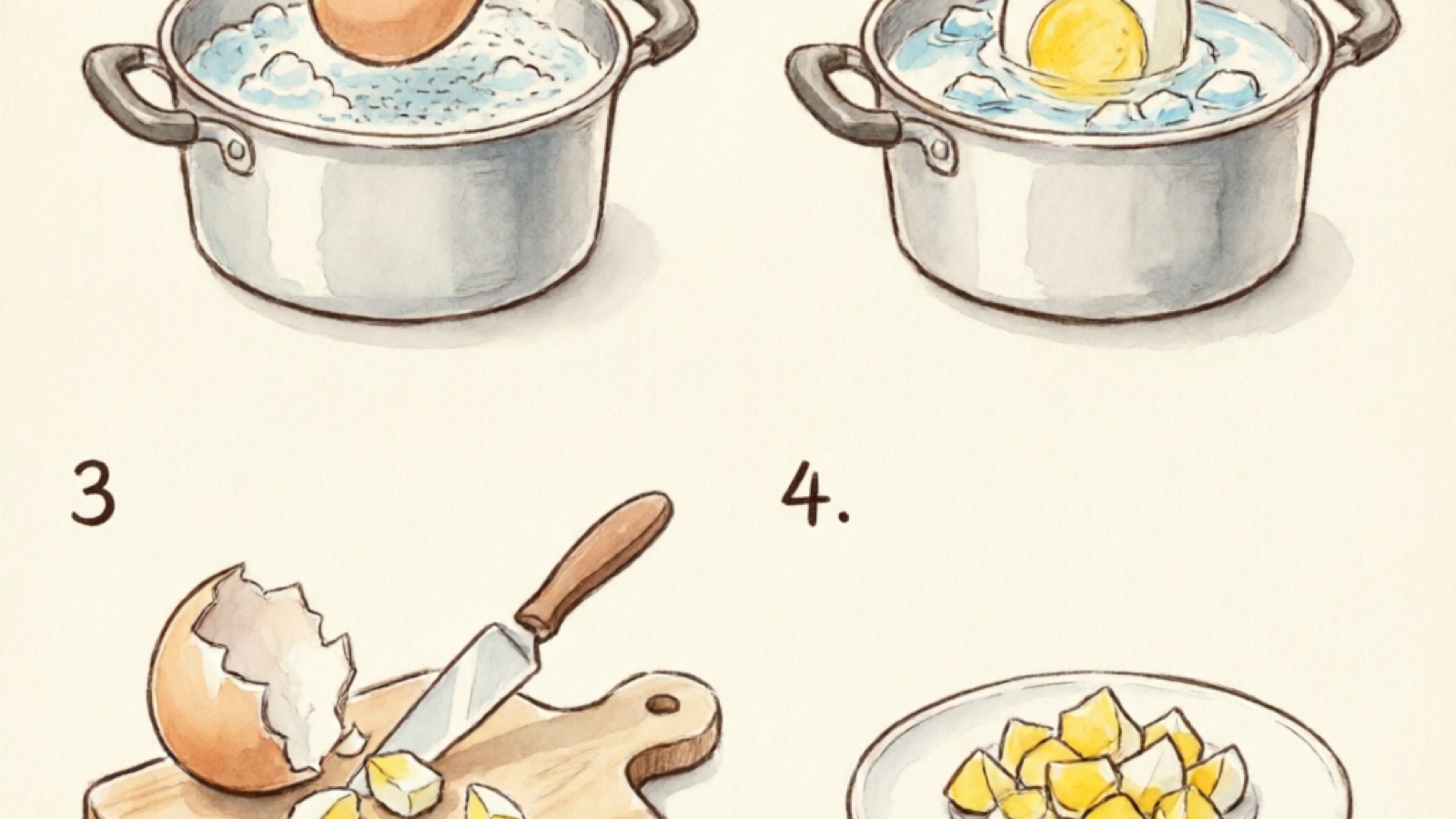
- Place egg(s) in a pot of cold water, ensuring they’re fully submerged
- Bring to a rolling boil
- Reduce heat slightly and boil for 10-12 minutes
- Remove from heat and immediately transfer to ice water for 5 minutes (prevents overcooking and makes peeling easier)
- Peel the egg
- Mash with a fork or chop into small pieces — roughly pea-sized for ferrets
- Let cool completely to room temperature before serving
- Serve in a clean bowl
Method 2: Scrambled (No Additives)
- Crack egg into a bowl and whisk thoroughly
- Heat a non-stick pan over medium-low heat — do not add butter or oil
- Pour in the egg and stir gently with a silicone spatula
- Cook until no liquid remains and egg is set (no pink or wet spots)
- Transfer to a plate and let cool completely
- Break into small, bite-sized pieces
- Serve in a clean bowl
If food sticks to the pan, use a tiny amount of water instead of oil.
Method 3: Egg Yolk Only
Some ferret owners prefer feeding only the yolk, especially for initial introduction:
- Hard-boil the egg
- Separate yolk from white
- Mash the yolk with a fork
- Serve at room temperature
Egg yolk alone is richer in fat and calories but lower in protein than whole egg. It’s a good option for ferrets with sensitive stomachs or as a higher-value training treat.
General Preparation Rules
- Always cook completely — no runny yolks, no soft-boiled eggs
- Always cool to room temperature — hot food can burn a ferret’s mouth
- Cut into small pieces — ferrets don’t chew thoroughly; they often gulp food
- Serve in a clean dish — not on the floor or mixed with regular food
- Remove uneaten portions after 1-2 hours — cooked eggs spoil at room temperature
- Never microwave to reheat — creates hot spots that can burn; if needed, warm by placing in a sealed bag in warm water
What to Avoid
Raw Eggs
As covered in detail above, raw eggs cause biotin deficiency and carry salmonella risk. Never feed raw eggs to your ferret. This includes raw egg used in recipes, cake batter, or any preparation where the egg is not fully cooked.
Fried Eggs
Fried eggs require butter or oil, both of which are unnecessary and potentially harmful. The added fat from cooking oil can cause diarrhea and contributes to obesity.
Eggs with Seasonings
Any egg prepared with salt, pepper, butter, cheese, ketchup, hot sauce, or any other seasoning is unsafe for ferrets. Plain only.
Egg Salad, Deviled Eggs, or Prepared Egg Dishes
All commercial and homemade egg preparations contain ingredients unsafe for ferrets: mayonnaise (dairy, fat), mustard, relish, salt, sugar, and various additives.
Store-Bought Hard-Boiled Eggs
Pre-cooked eggs from delis or grocery stores often have preservatives, are stored in salted water, or have been sitting at improper temperatures. Cook your own to ensure safety.
Egg-Containing Processed Foods
Baked goods, pasta, breaded foods, and other processed items containing eggs also contain flour, sugar, dairy, and other ingredients harmful to ferrets. The egg itself isn’t the problem — everything else in the product is.
Daily Feeding
Even though eggs are nutritionally appropriate for ferrets, daily feeding causes calcium-phosphorus imbalance and nutritional displacement. Keep it to 1-2 times per week.
Safer and Better Treat Alternatives
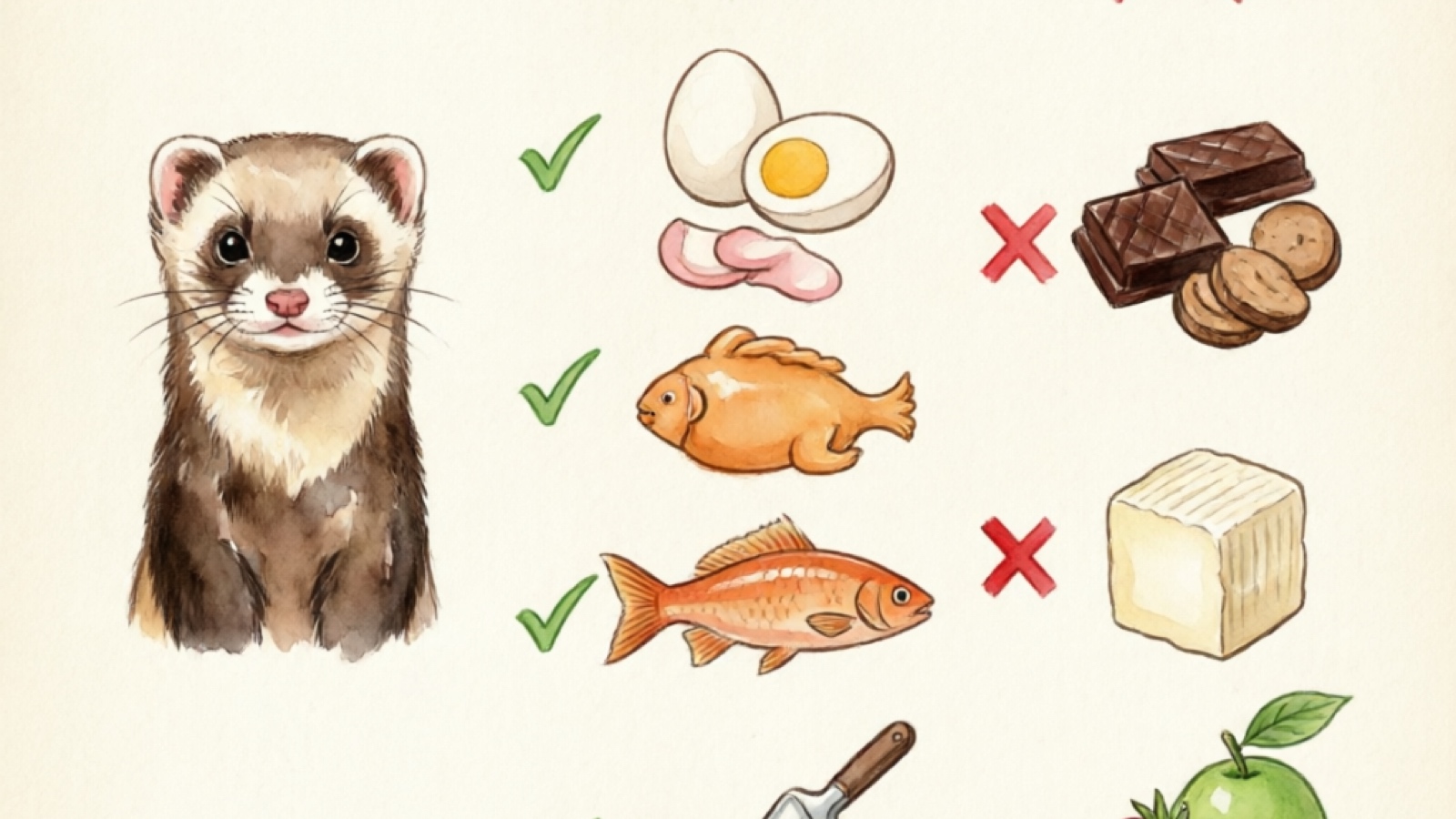
Eggs are excellent, but a varied treat rotation is healthier than relying on one option. Here are other appropriate treats for obligate carnivores:
Best Protein Treats
- Cooked plain chicken or turkey — boiled or baked, no seasoning. One of the most natural options.
- Freeze-dried chicken or liver — excellent for training. No additives, long shelf life.
- Commercial ferret treats — specifically formulated for ferrets. Check our best ferret treats guide for recommended options.
- Commercial ferret food kibble — regular kibble pieces make perfectly acceptable treats.
Occasionally Acceptable
- Small pieces of plain cooked salmon — good omega-3 fatty acids, but high in fat
- Tiny amounts of cooked beef or lamb — not as digestible as poultry for ferrets
- Commercial freeze-dried whole prey — mice, chicks — the most natural option but not for the squeamish
Treats to Avoid
- All fruits and vegetables — ferrets cannot digest plant matter. Bananas, apples, carrots, and every other fruit or vegetable pose the same risks.
- Dairy products — ferrets are lactose intolerant
- Sugary treats — contribute to insulinoma risk
- Dog or cat treats — not formulated for ferrets’ specific nutritional needs
Other Ferret Diet and Care Resources
Each link leads to a full guide with detailed recommendations.
Diet and Nutrition
Health and Care
Housing and Equipment
- Ferret Cage Guide | Large Ferret Cage
- Cage Ideas | Critter Nation vs Ferret Nation
- Best Ferret Cage Accessories
- Best Ferret Bedding
- Best Ferret Harness
Behavior and Enrichment
Product Recommendations
Here are some products mentioned in this guide:
Frequently Asked Questions
Can ferrets eat eggs?
Yes, eggs are one of the best natural treats for ferrets. They provide high-quality animal protein and fat that perfectly match an obligate carnivore’s nutritional needs. Always cook eggs thoroughly (boiled or scrambled, no seasoning), serve half to one egg, 1-2 times per week.
Can ferrets eat raw eggs?
No. Raw egg white contains avidin, which binds biotin and causes progressive deficiency — hair loss, skin lesions, and potentially seizures. Raw eggs also carry salmonella risk. Cooking eliminates both dangers.
Can ferrets eat scrambled eggs?
Yes, as long as they’re prepared without oil, butter, salt, or any seasoning. Use a non-stick pan or a tiny amount of water. Plain scrambled eggs provide the same nutritional benefits as boiled eggs.
Can ferrets eat egg shells?
Whole or crushed egg shells are a choking hazard and can perforate the intestines. If used for calcium, shells must be baked and ground to fine powder — but most vets recommend relying on balanced ferret food for calcium instead.
How often can ferrets eat eggs?
One to two times per week, half to one egg per serving. Eggs are a supplement to a complete ferret diet, not a replacement. More frequent feeding causes calcium-phosphorus imbalance.
Can ferrets eat boiled eggs?
Hard-boiled eggs are the best preparation method. Boiling denatures avidin, kills salmonella, and preserves nutrients. Mash or chop into bite-sized pieces and cool to room temperature before serving.
Can baby ferrets eat eggs?
Not under 12 weeks. After 12 weeks, introduce gradually — start with tiny amounts of mashed boiled egg yolk only, and monitor for digestive upset over 24-48 hours.
What happens if a ferret eats raw egg?
Regular raw egg consumption causes progressive biotin deficiency over weeks to months: hair loss, scaly dermatitis, appetite loss, and eventually neurological symptoms including seizures. Salmonella infection is an additional risk. If your ferret has eaten raw egg, watch for symptoms and consult your vet.