When I got my first ferret, the pet store employee told me they were “low-maintenance, like a hamster.” Three adrenal surgeries and over $4,000 in vet bills later, I learned the hard way that ferrets are anything but low-maintenance. They’re one of the most rewarding pets I’ve ever owned — but proper ferret care requires real commitment, specific knowledge, and a willingness to invest in their health and happiness.
This ferret care guide covers everything a first-time ferret owner needs to know: from choosing the right cage and food to understanding common health problems and decoding their behavior. Whether you’re researching before getting a ferret or already have one at home, this ferret care guide will help you give your ferret the best life possible. Good ferret care isn’t complicated once you understand the basics — it’s about consistency, quality supplies, and staying proactive about their health.
Ferret Quick Facts
Before diving into the details of ferret care, here’s a snapshot of what ferret ownership actually looks like:
| Attribute | Detail |
|---|---|
| Lifespan | 5-8 years (average 6-7) |
| Size | 15-20 inches (body), 1.5-4 lbs |
| Diet type | Obligate carnivore (meat only) |
| Social needs | Highly social — two ferrets are better than one |
| Activity pattern | Crepuscular (active dawn/dusk), sleeps 14-18 hours |
| Exercise needs | 4+ hours out-of-cage daily |
| Difficulty level | Moderate to high |
| Legal status | Illegal in California and Hawaii; requires permit in some states |
| Vet type | Exotic animal veterinarian |
| Odor level | Moderate (manageable with cleaning) |
Ferrets come in several color varieties including the popular Sable Ferret, the distinctive Albino Ferret with red eyes and white fur, and the less common Cinnamon Ferret with its warm reddish-brown coat. All color varieties have the same care requirements.
The two things that surprise new ferret owners most: how much they sleep (up to 18 hours a day) and how expensive vet care is (exotic vets charge a premium). These are fundamental ferret care realities that catch people off guard. For a deeper look at their lifespan and what affects it, see our ferret lifespan guide.
Are Ferrets Good Pets? Pros and Cons
The honest answer is that ferrets are amazing pets for the right person and a terrible choice for the wrong one. Ferrets as pets require more daily attention than most people expect. Understanding the real ferret care requirements before you commit is the best thing you can do. Here’s the unfiltered breakdown:
| Pros | Cons |
|---|---|
| Incredibly playful and entertaining | High-maintenance (4+ hours daily attention) |
| Form strong bonds with owners | Expensive vet care (exotic vet premium) |
| Small but dog-like personality | Prone to expensive health problems |
| Can be litter trained | Strong musky odor (even after neutering) |
| Social and interactive | Not suitable for young children |
| Quiet (no barking/meowing) | Illegal in some states (CA, HI) |
| Long lifespan for a small pet (5-8 years) | Destructive if bored (chew cords, dig carpet) |
| Compact size (apartment-friendly) | Require ferret-specific food (not cheap) |
Best for: People who work from home, have time daily for play, can afford exotic vet care, and want an interactive, entertaining companion. A ferret care routine fits naturally into a flexible schedule — if you’re gone 10-12 hours a day, ferrets aren’t for you.
Not ideal for: Families with children under 6 (ferrets nip during play and can be too rough for toddlers), people gone 12+ hours daily, anyone on a tight budget, or residents of California and Hawaii where ferrets are illegal.
The pros and cons of owning a ferret lean heavily toward the “worth it” side if you meet the requirements — but be honest with yourself about the time and money commitment before bringing one home.
First-Time Ferret Owner Essentials Checklist
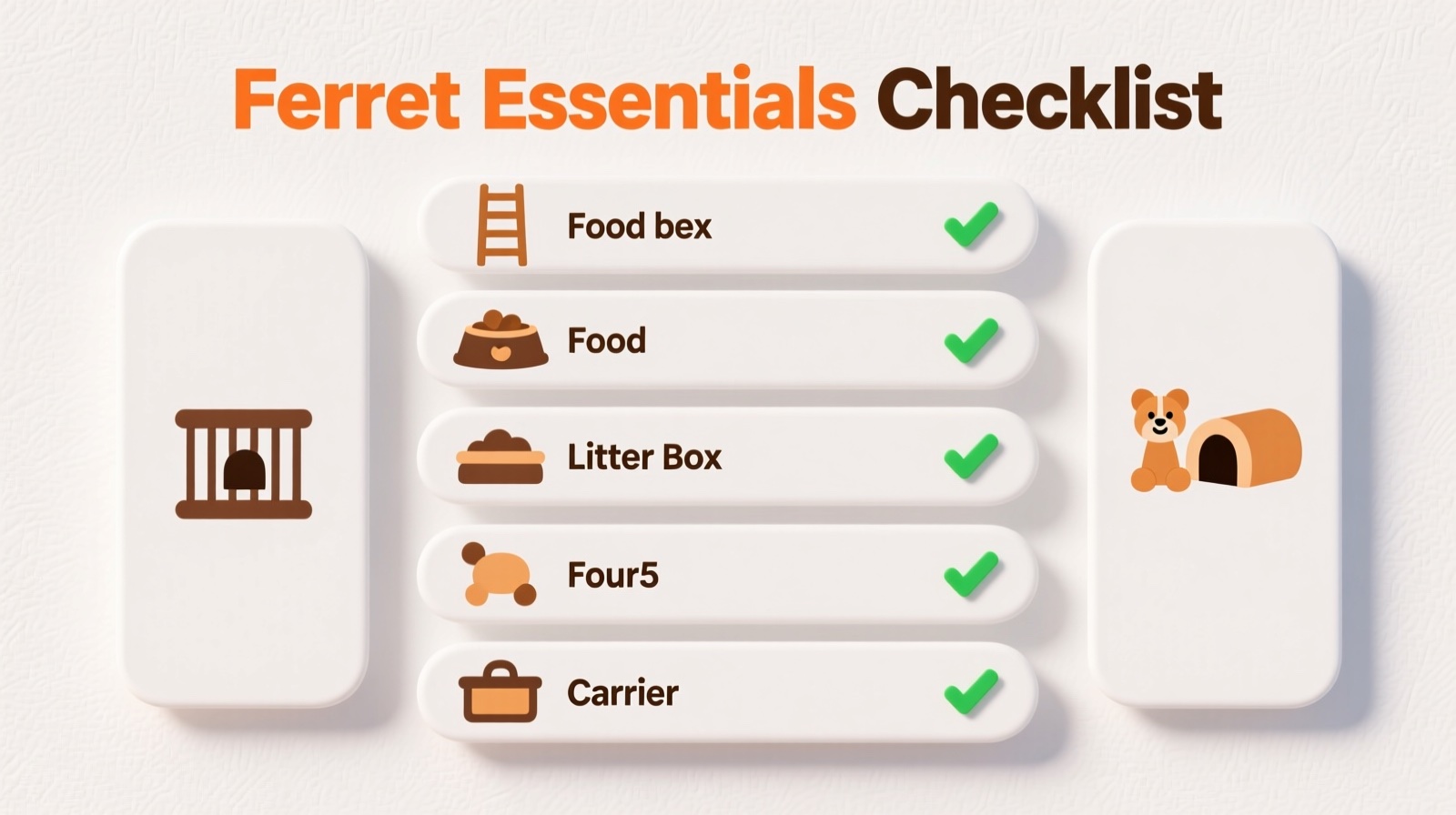
Every first-time ferret owner needs these supplies before bringing their ferret home. This ferret essentials list covers the non-negotiables — you can add more over time, but don’t skip anything on this list. Proper ferret care starts with having the right supplies before your ferret arrives.
| Item | Why It Matters | Est. Cost |
|---|---|---|
| Multi-level cage (min 2 levels) | They climb and need vertical space | $130-300 |
| Ferret-specific food | Obligate carnivore — no substitutes | $15-30/month |
| Water bottle + heavy bowl | Spill-proof hydration is essential | $10-20 |
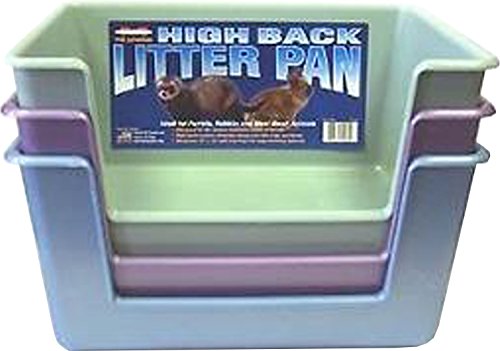
| High-back litter pan | Ferrets back up to corners to go | $15 |
| Paper-based litter | No clumping clay (dangerous if ingested) | $10-15/month |
| Bedding/fleece liners | Comfort + odor control | $20-40 |
| Hammock or sleep sack | Ferrets prefer sleeping elevated | $15-25 |
| Toys (tunnels, balls, dig box) | Mental stimulation + exercise | $20-40 |
| Nail clippers | Monthly nail trims needed | $5-10 |
| Carrier | For vet trips and transport | $20-30 |
Total initial setup: $300-600. This ferret setup cost is your first investment in ferret care — monthly ongoing costs run $40-80. The setup cost can feel steep, but cutting corners on cage size or food quality will cost you more in vet bills and behavioral problems down the road.
Ferret Diet and Nutrition
Ferrets are obligate carnivores — their digestive system is designed for meat, and only meat. They can’t process plant fiber, carbohydrates, or dairy. Understanding ferret diet requirements is one of the most important parts of ferret care because food quality directly affects their health and lifespan.
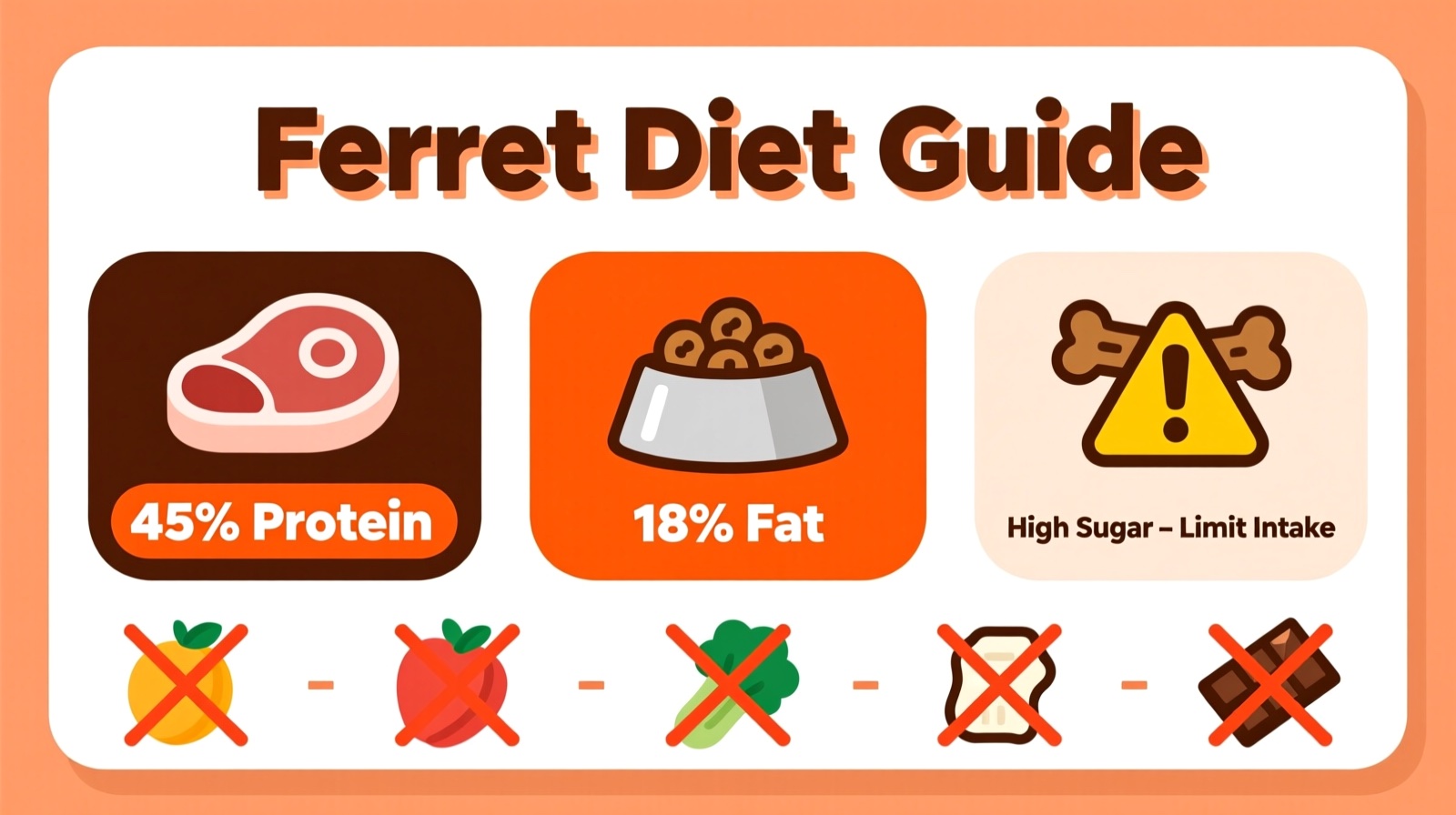
What to feed: Quality ferret-specific kibble with 35-40% protein and 15-20% fat from animal sources. The first three ingredients should be animal protein (chicken, turkey, lamb, or fish). Avoid anything where grain, corn, or plant protein appears in the top five ingredients.
My top recommendation is Oxbow Essentials Ferret Food — at, it’s the highest-rated ferret kibble on Amazon and the one I feed my own ferrets. The protein comes from real chicken and turkey, with no artificial colors or fillers. Oxbow is a brand that exotic vets consistently recommend, and the kibble size is small enough for kits to eat comfortably.
Feeding schedule: Free-feed for adults — always keep food available. Ferrets have fast metabolisms and need to eat every 3-4 hours. Unlike dogs and cats, they digest food in roughly 3 hours and can’t go long without eating. This is why free-feeding is standard ferret care practice for adult ferrets. Kits under 6 months need 4-6 small meals daily on a set schedule.
Treats: Meat-based only. Freeze-dried chicken, salmon, or liver make excellent treats. No fruits, no vegetables, no dairy, no sugar — a ferret’s body literally cannot process these. If you’re wondering about safe foods for ferrets like fruits, the answer is always no. I’ve seen ferrets develop severe gastrointestinal issues from well-meaning owners feeding them banana or yogurt drops marketed as “ferret treats” (check the ingredients — if it contains fruit or sugar, it’s not a real ferret treat). Treat selection is a small but meaningful part of overall ferret care that directly impacts their long-term health.
Dangerous foods to avoid: Chocolate (toxic), onions and garlic (causes anemia), grapes and raisins (kidney damage), dairy products (they’re lactose intolerant), sugary treats (insulinoma risk), and raw egg whites (binds biotin, causing skin and coat problems).
For the complete breakdown of safe and unsafe foods, feeding schedules by age, and raw diet considerations, see our ferret diet and nutrition guide.
Housing and Cage Setup
Your ferret’s cage is their home base — they spend 10-14 hours there daily while sleeping. Getting the cage right is fundamental ferret care. A cage that’s too small or poorly set up leads to stress, depression, cage biting, and health problems.
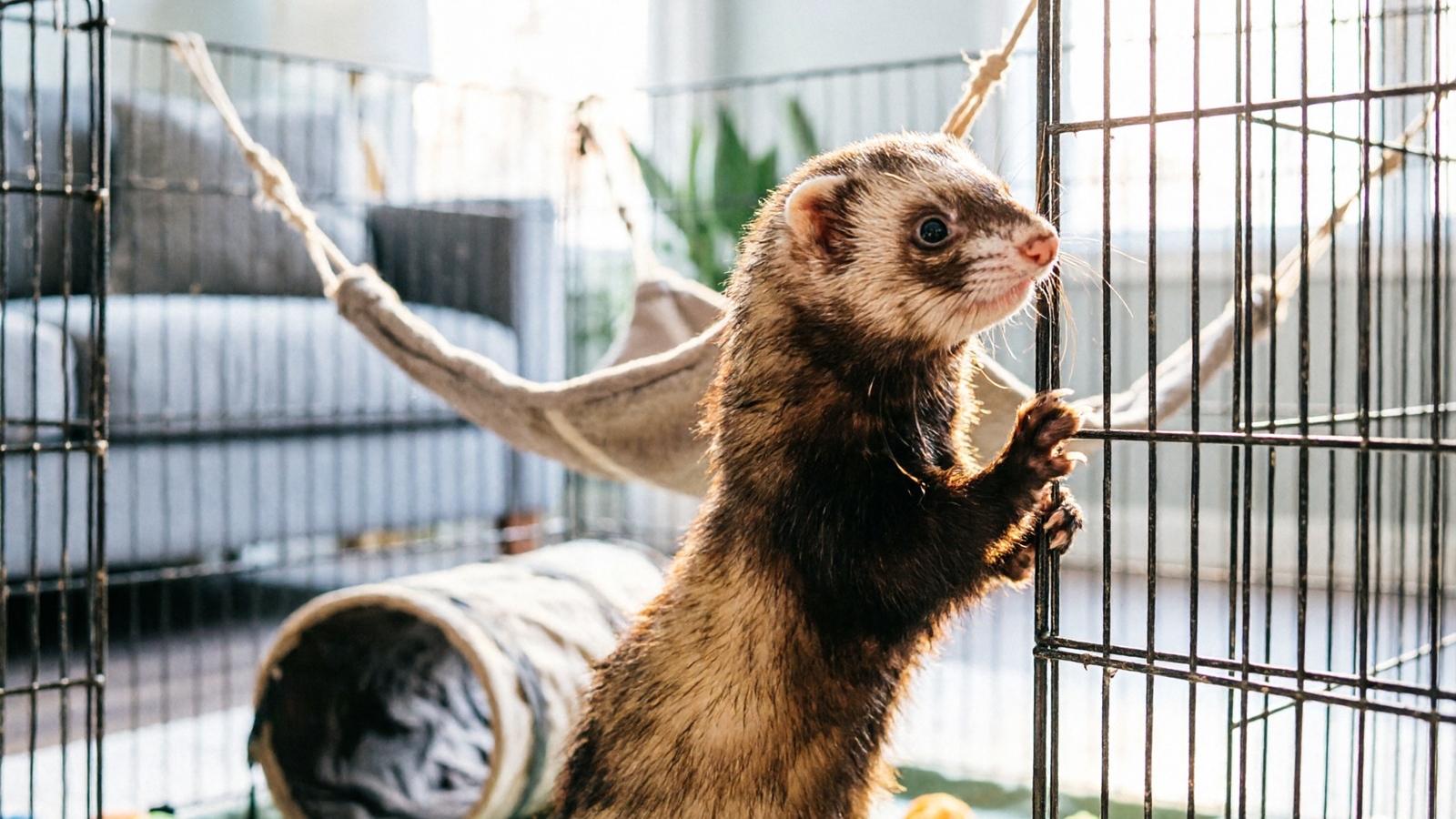
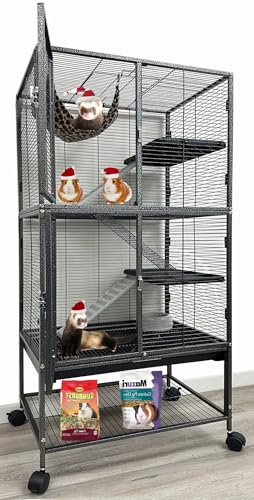
Minimum requirements: At least 2 levels with connecting ramps, bar spacing no wider than 1 inch (ferrets squeeze through anything they can fit their head through), and minimum dimensions of 24” × 24” × 36” for a single ferret. Bigger is always better — and if you have two ferrets, you need a large ferret cage with at least 3-4 levels. Cage size is one of the most common ferret care mistakes new owners make — a cage that’s too small leads to depression and behavioral problems.
For a single ferret or a pair, I recommend the Feisty Ferret Large Two Full Story 4-Tier Cage — it’s a double unit with tight 1/2-inch bar spacing (no escape artists getting out) and four climbing tiers. Atand $130, it offers excellent value for the space it provides. The included water bottle and food bowl are a nice bonus for first-time owners setting up on a budget.
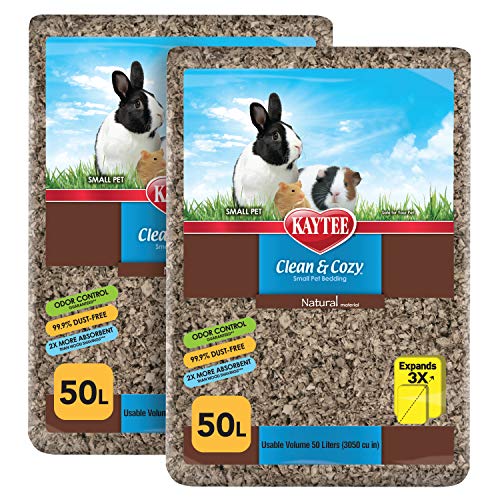
Bedding: Paper-based bedding is the safest and most practical option. Kaytee Clean & Cozy Natural Paper Bedding is 99.9% dust-free and super absorbent — with nearly 10, it’s the best-selling small pet bedding on Amazon for good reason. For cage shelves and sleeping platforms, I use waterproof fleece cage liners — they’re machine washable, reusable, and save you from constantly replacing disposable bedding on every shelf.
Cage essentials inside: A hammock or sleep sack (ferrets strongly prefer elevated sleeping spots — it makes them feel safe), a litter box in their preferred corner, food and water stations on a level surface (not hanging — ferrets eat better from bowls), and at least one hide for daytime sleeping. Setting up the cage properly before your ferret arrives is an important ferret care step that reduces their stress during the transition.
Location matters: Keep the cage at 60-75°F in a well-ventilated area away from direct sunlight. Ferrets overheat easily because they can’t sweat — temperatures above 80°F can be dangerous. Temperature management is an often-overlooked aspect of ferret care that can become life-threatening in summer months. Never place the cage in a garage, near a window with direct sun, or next to a heat vent.
For cage comparisons, setup ideas, and product recommendations, see our ferret cage guide, ferret cage ideas, critter nation vs ferret nation comparison, and best ferret bedding guide. When you are buying the box itself, use two levels and ≤1-inch bar spacing rather than a single-level critter cage.
Medical Disclaimer: This article is for informational purposes only and does not constitute veterinary advice. If your ferret shows any signs of illness — persistent shaking, lethargy, loss of appetite, difficulty breathing, or sudden hair loss — contact an exotic animal veterinarian immediately. Ferrets deteriorate quickly when sick due to their fast metabolism. Always consult a qualified vet for diagnosis and treatment.
Health and Common Problems
Ferrets are prone to several serious health conditions, and understanding them is a critical part of responsible ferret care. Knowing the warning signs can literally save your ferret’s life — ferrets go downhill fast when they get sick because of their rapid metabolism. This is why proactive ferret care through regular vet checkups and monitoring behavior changes makes such a big difference.
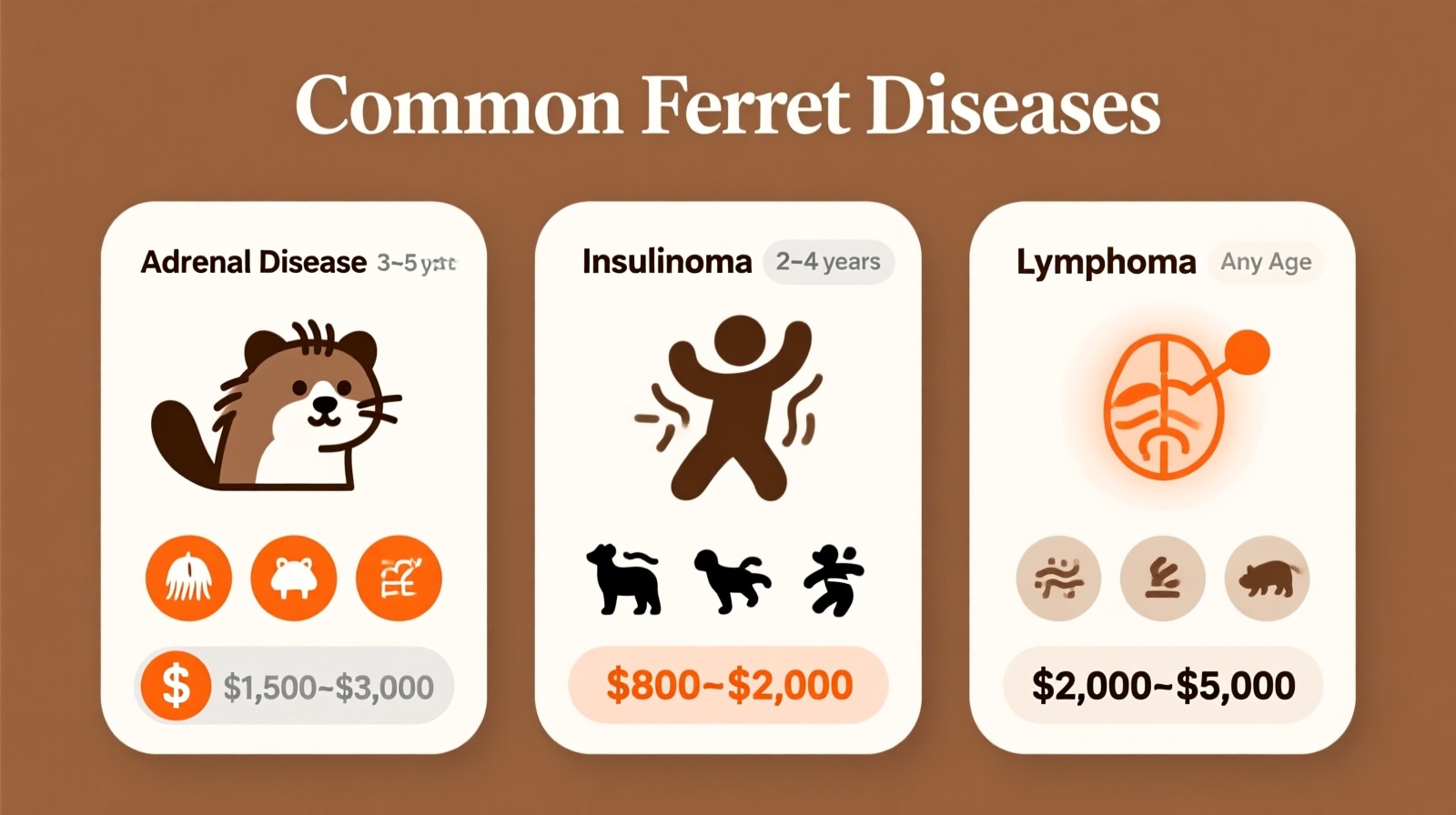
The big three ferret diseases (every owner should know these):
| Disease | Age of Onset | Key Symptoms | Treatment | Typical Cost |
|---|---|---|---|---|
| Adrenal disease | 3-5 years | Hair loss starting at tail, swollen vulva in females, aggression in males | Surgery or lifelong medication | $800-1,500 |
| Insulinoma | 2-4 years | Shaking, glazed eyes, lethargy, seizures | Surgery or daily medication + diet management | $500-2,000 |
| Lymphoma | Any age | Lumps under skin, weight loss, lethargy, swollen lymph nodes | Chemotherapy or palliative care | $1,000-3,000 |
Warning signs that need immediate vet attention:
- Persistent shaking or wobbling (possible insulinoma — give sugar immediately, then call the vet)
- Straining to poop without producing anything (possible intestinal blockage — ferrets eat everything, and blockages are fatal without surgery)
- Difficulty breathing or wheezing (respiratory emergency)
- Not eating for 12+ hours (ferrets have fast metabolisms — going without food this long is urgent)
- Screaming (indicates extreme pain — this is not normal ferret behavior)
- Sudden hair loss, especially starting at the tail base (classic adrenal disease sign)
Routine ferret care: Annual vet exams with an exotic animal veterinarian (standard vets often don’t treat ferrets), monthly nail trims, regular ear cleaning with a ferret-safe solution, and dental checks. Vaccinations for rabies and canine distemper are both required and non-negotiable — canine distemper is nearly 100% fatal in ferrets.
Finding a vet: This needs to happen BEFORE you have an emergency. Not all veterinarians treat ferrets — you need an exotic animal specialist. Finding an exotic vet is one of the most important ferret care steps that many new owners skip. Call around, ask about their ferret experience, and establish a relationship. When your ferret is shaking at 2 AM and you don’t know where to go, it’s already too late to start researching.
For detailed information on every common ferret illness, symptoms, and treatment options, see our ferret health problems guide and ferret lifespan guide.
Litter Training
Ferrets can be litter trained, and it’s one of the first ferret care skills you’ll want to teach. Litter training is straightforward ferret care — with patience and consistency, most ferrets learn within 2-4 weeks — but they’re not as reliable as cats, so expect occasional accidents.
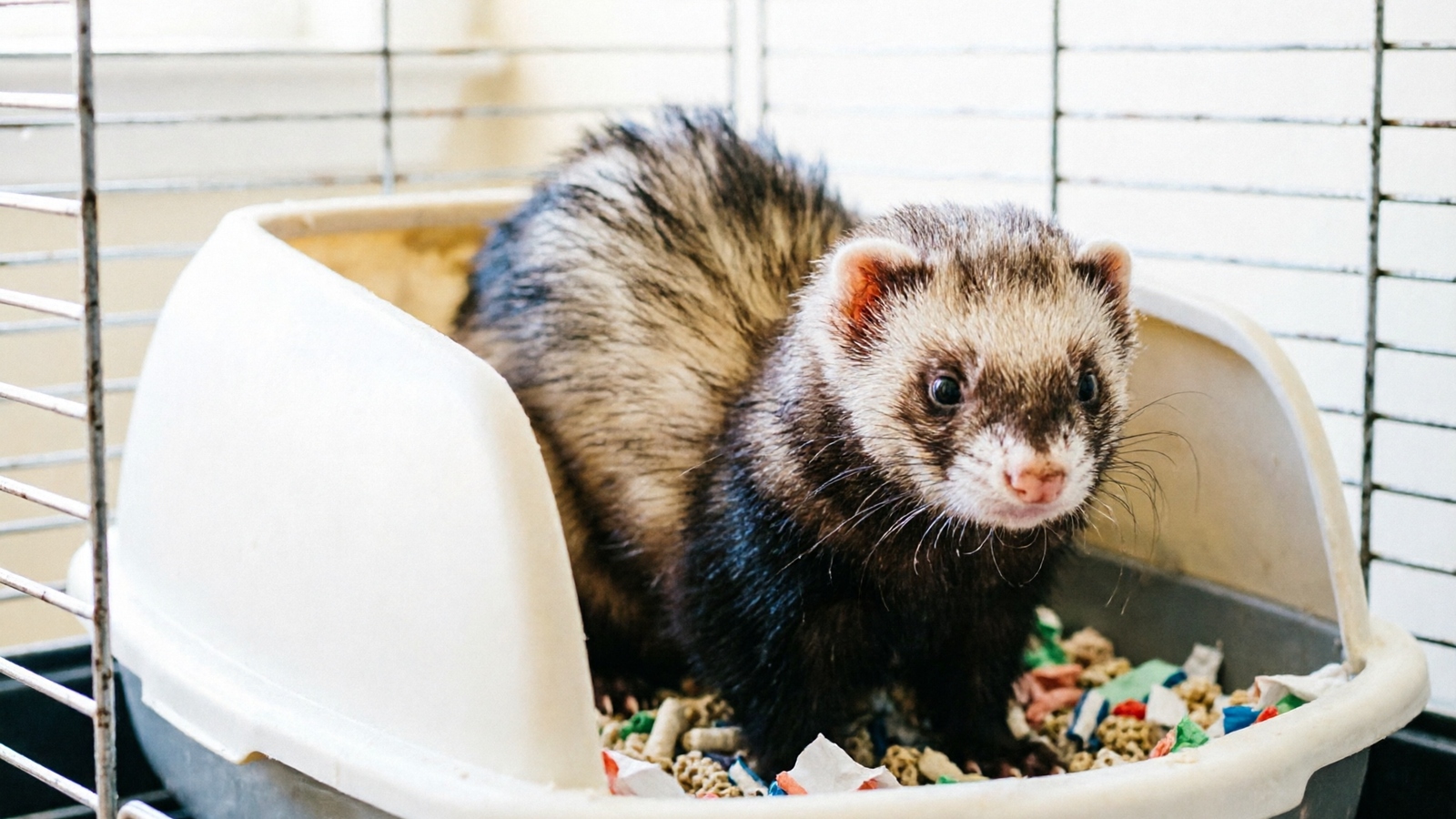
What you need: A high-back corner litter pan is essential because ferrets back up to corners to go. I’ve tried cheaper alternatives and they all resulted in messes on the floor. The Marshall High Back Litter Pan is the standard for good reason — its high-back design catches everything. Use paper-based or wood pellet litter (never clumping clay — if ingested, it causes dangerous intestinal blockages).
Training steps that actually work:
- Place litter pans in every corner your ferret has already used (start where they’ve chosen, don’t fight their preferences)
- Put a small piece of their poop in the pan to create scent association — this sounds gross but it’s the most effective ferret care training method
- Reward with a meat-based treat immediately when they use the pan correctly — positive reinforcement is the foundation of good ferret care training
- Clean accidents thoroughly with an enzyme cleaner to remove scent markers (regular cleaners don’t work — ferrets can still smell the spot)
- Never punish accidents — ferrets don’t connect punishment with past actions, and it destroys the trust you need for training
Realistic expectations: 80-90% success rate with consistent training. Some ferrets will always have occasional accidents, especially kits and older ferrets. This is normal ferret care reality — don’t get frustrated.
For the complete litter training walkthrough with troubleshooting, see our ferret litter training guide.
Exercise, Enrichment, and Play
Ferrets need a minimum of 4 hours of supervised out-of-cage time daily. This isn’t optional ferret care — it’s a requirement. Without adequate exercise and mental stimulation, ferrets become depressed, develop cage aggression, and engage in destructive behavior like excessive bar biting, carpet digging, and furniture chewing. If why ferrets bite is a concern, boredom and lack of stimulation are often contributing factors.
Tunnels are the number one ferret toy — I’ve never met a ferret that didn’t love running through tunnels. The 3-pack of foldable pet fun tunnels gives your ferret multiple runs to explore — ferrets race through tunnels instinctively, and having a few lets you build different layouts across the room. For a longer run, the transparent 86-inch Thru-Way tunnel lets you create an elaborate tunnel system — clear panels mean you can actually watch your ferret sprinting through it.
Other enrichment essentials:
- Digging box: Fill a plastic storage bin with clean play sand or uncooked rice — ferrets are natural diggers and this gives them an appropriate outlet (keeps them from digging up your carpet or houseplants)
- Supervised outdoor walks: A Marshall Ferret Harness and Lead Set ($13, H-style design with 48-inch lead) lets you take your ferret outside safely. Never let your ferret roam off-leash — they have no homing instinct and will not come back. Keep walks short and watch for predators (hawks, cats, dogs).
- Toy rotation: Don’t leave all toys out at once. Rotate them every few days to keep things fresh and prevent boredom. This simple ferret care trick extends the life of your toys and keeps your ferret more engaged than a huge pile of toys would.
Ferret-proofing your play area (this is critical ferret care — ferrets get into everything):
- Cover or conceal all electrical cords (cord covers or PVC conduit)
- Block gaps under appliances and furniture wider than 1 inch (ferrets fit through surprisingly small spaces)
- Remove toxic plants, cleaning products, and small objects they could swallow
- Secure lower cabinets with child-proof latches
- Check reclining chairs before sitting — ferrets love to hide in the mechanisms and can be crushed
For more on ferret behavior and play, see our ferret behavior guide, best ferret toys, best ferret harness, and ferret toys guide.
Cost of Owning a Ferret
Let’s talk money — because the cost of ferret care is one of the most underestimated aspects of ferret ownership. Being prepared for the financial commitment is part of responsible ferret care. Here’s a realistic breakdown:
| Expense | One-Time Cost | Monthly Cost |
|---|---|---|
| Ferret (purchase or adoption) | $100-300 | — |
| Cage | $130-500 | — |
| Initial supplies | $70-200 | — |
| Food | — | $15-30 |
| Litter | — | $10-15 |
| Toys and treats | — | $10-20 |
| Annual vet exam | — | ~$15-25/month |
| Emergency vet fund | — | $5-15/month |
| Total first month | $300-800 | — |
| Monthly ongoing | — | $40-80 |
| Lifetime (6-8 years) | $3,500-7,500 | — |
The hidden cost that catches everyone off guard: Emergency vet visits. Adrenal disease surgery runs $800-1,500. Insulinoma treatment (surgery or lifelong medication) costs $500-2,000. Intestinal blockage surgery is $1,000-2,500. These aren’t rare — they’re common ferret health problems that most owners will face. It’s not a question of IF you’ll have an expensive vet visit, but WHEN. Budget for it from day one — this is essential ferret care planning that many beginners overlook.
Proper ferret care isn’t cheap, but cutting corners on food quality, cage size, or vet visits ends up costing far more in the long run.
Frequently Asked Questions
Are ferrets good pets?
Ferrets make excellent pets for the right owner. They’re incredibly playful, intelligent, and form strong bonds with their humans. But they’re high-maintenance — they need 4+ hours of daily out-of-cage time, specialized high-protein diet, regular vet visits (exotic vets are more expensive), and they live 5-8 years. They’re not ideal for young children (they nip during play) or people who are rarely home. If you can commit the time and money, ferrets are rewarding, entertaining companions.
How much does a ferret cost?
Initial setup: $300-800 (ferret $100-300 + cage $130-500 + supplies $70-200). Monthly costs: $40-80 (food $15-30, litter $10-15, toys/treats $10-20, vet fund $5-15). Lifetime cost over 6-8 years: $3,500-7,500 including emergency vet visits. The biggest hidden cost is veterinary care — ferrets need annual exams and are prone to expensive illnesses like adrenal disease ($800-1,500 surgery) and insulinoma.
How long do ferrets live?
Pet ferrets typically live 5-8 years, with 6-7 being average. Well-cared-for ferrets can reach 8-10 years. Lifespan depends on genetics, diet quality, vet care, and living conditions. Common life-limiting diseases: adrenal disease (typically appears at 3-5 years), insulinoma (2-4 years), and lymphoma. Regular vet checkups (every 6-12 months) catch these early and extend lifespan.
Do ferrets smell bad?
Ferrets have a natural musky odor from scent glands — it’s part of who they are. Neutered/spayed ferrets smell significantly less than intact ones. The biggest odor source is actually their litter box and bedding, not the ferret itself. With regular cleaning (litter daily, bedding weekly), proper diet, and a clean cage, the smell is manageable — similar to a cat litter box, just muskier.
Can ferrets be litter trained?
Yes — ferrets can be litter trained, but they’re not as reliable as cats. Most ferrets learn to use a litter box within 2-4 weeks with consistent training. Use a high-back corner litter pan, paper-based or wood pellet litter (no clumping clay), and place litter boxes in every corner they favor. Expect some accidents — success rate is about 80-90% with consistent training.
What do ferrets eat?
Ferrets are obligate carnivores — they need meat-based, high-protein, high-fat food. Quality ferret-specific kibble with 35-40% protein and 15-20% fat from animal sources is the best option. Avoid anything with grain, corn, or plant protein as a main ingredient. Treats should be meat-based only — no fruits, vegetables, or dairy.
Are ferrets good pets for beginners?
Ferrets can work for beginners who do their research and commit to their needs. The minimum requirements: 4+ hours daily out-of-cage time, a large multi-level cage, high-protein ferret-specific food, an exotic vet nearby, and a budget for potential health issues. They’re easier than dogs but higher-maintenance than cats. The biggest beginner mistake is underestimating the time commitment. If you’re home often and willing to learn, they’re great first pets.