This guide is informational and not a substitute for veterinary advice. If your rabbit stops eating hay or producing droppings for 12+ hours, contact an exotic-savvy vet immediately.
You reach for the Bugs Bunny prop carrot, your rabbit’s nose twitches — and you pause. This page answers one question: should your rabbit eat carrots, and how much.
Quick Answer — Can Rabbits Eat Carrots?
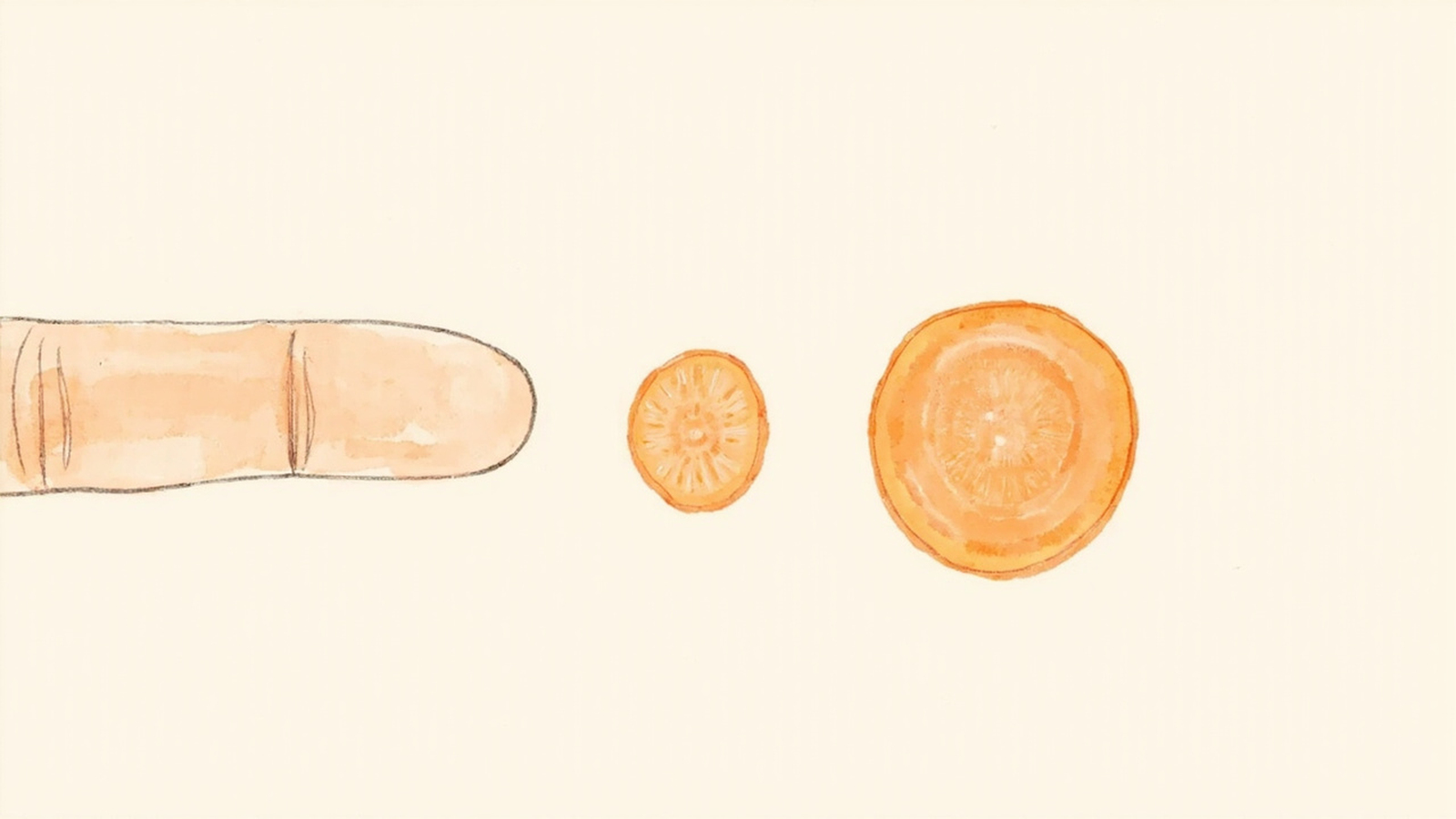
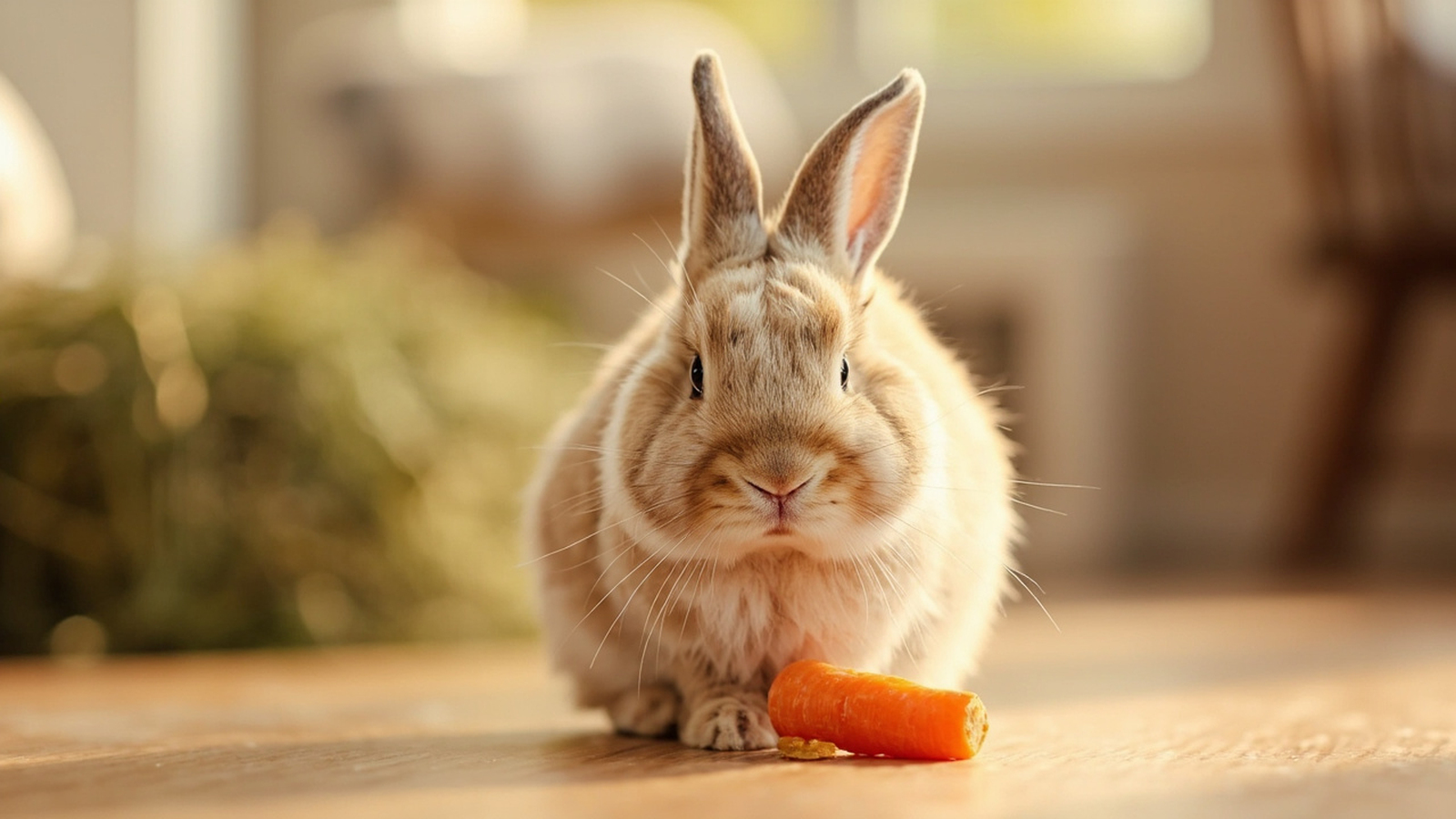
Can rabbits eat carrots? This is the most-asked rabbit nutrition question, and the answer is yes — in strict moderation. Yes, ripe carrots are safe for rabbits — as an occasional treat, not a daily staple. Feed 1 thumbnail-size piece (5-10 g) of raw orange flesh 2-3 times per week for adults. Skip baby rabbits under 12 weeks. Never let carrots replace hay, which should be 80% of a rabbit’s daily diet. Can rabbits eat carrots occasionally? Yes — 2-3 servings weekly is the safe ceiling; daily feeding pushes gut flora toward gas-producing species and triggers stasis. For safer alternatives, see our rabbit treats roundup.
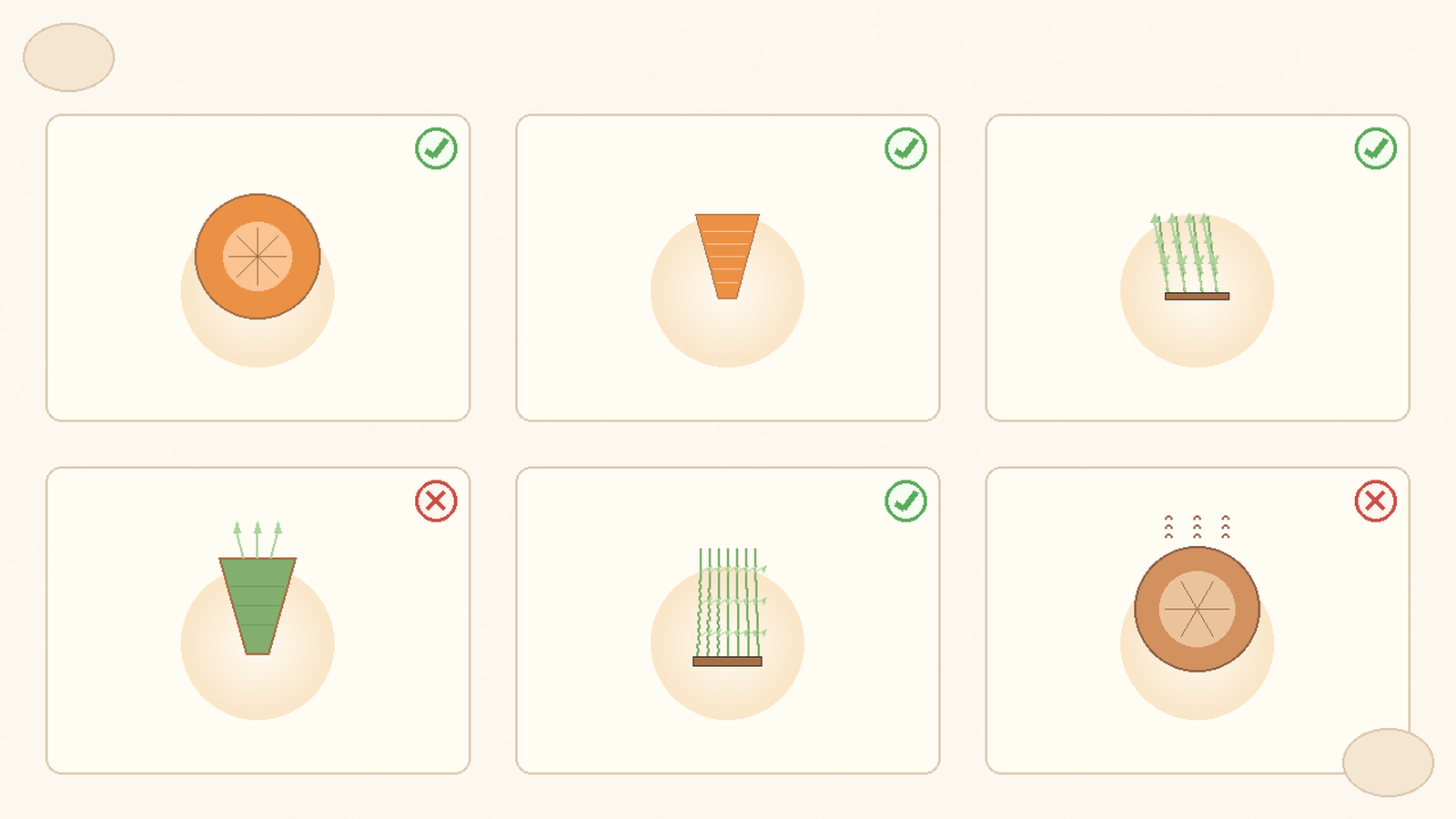
Carrot Risk Matrix — Safe vs Risky Parts
Any owner googling this must read this table first — different parts of the plant carry different risk levels.
| Part | Solanine / Toxin Risk | Sugar (g/100g) | Verdict |
|---|---|---|---|
| Ripe orange flesh | None | 4.7 | ✅ Feed 2-3×/week, thumbnail-size |
| Baby carrot (peeled) | None | 4.7 | ✅ Same as mature flesh |
| Carrot tops (greens) | Low alkaloids (no solanine) | Low | ✅ Wash well; feed sparingly |
| Carrot leaves & stems | None | Low | ✅ Same as tops — safe in moderation |
| Green / unripe carrot | High solanine risk | Lower | ❌ Skip — toxicity |
| Cooked carrot | Cooked | Concentrated sugar | ❌ Skip — sugar spikes |
Green or unripe carrots carry the same solanine risk as green tomatoes. Can rabbits eat carrots and tomatoes? Yes for both — ripe tomatoes in small slices are safe, but treat them as one combined treat slot, not two. A 1 cm tomato wedge plus a thumbnail of carrot once a week fits the 5% treat budget without crowding out hay. Cooked carrots concentrate sugar by roughly 5× and lose the fibrous structure that gives raw carrots marginal dental value. For why hay anchors the diet, see our hay selection guide, and for chew options that double as toys, see our rabbit toys roundup.
Sugar, Beta-Carotene & Carb Concerns
Carrots look healthy, but three numbers tell a different story. Sugar density: 4.7 g per 100 g versus 1-2 g for timothy hay — 3-5× what a rabbit should eat. Chronic overload shifts gut flora toward gas-producing species, the GI stasis trigger.
Beta-carotene overshoot: 8.3 mg per 100 g; an adult rabbit needs only around 0.8 mg vitamin A activity per day. A thumbnail overshoots the target by 10×.
Dental wear: teeth grow about 2 mm per month; carrots are too soft. Raw vs cooked: raw preserves fiber; cooked concentrates sugar. See our rabbit food guide and the GI stasis article.
Hay vs Carrots — Daily Ratio Table
The hidden question behind carrot feeding is really “is carrots the main food?” The answer is no.
| Food | % of Daily Diet | Fiber | Sugar | Role |
|---|---|---|---|---|
| Grass hay (timothy/orchard) | 80% | 30-35% | <2% | Staple — gut motility + dental wear |
| Fresh leafy greens | 15% | 2-4% | <2% | Vitamins + hydration |
| Pellets | 5% | 25-27% | 2% | Concentrated nutrition |
| Carrots + sugary treats | <5% | 3% | 4.7%+ | Occasional treat only |
Bugs Bunny originated in 1940 as a marketing gag, not a nutritional guideline. Wild rabbits eat grasses and herbs, not root vegetables. The House Rabbit Society, the leading companion-rabbit welfare authority, codifies the same 80% hay / 15% greens / 5% pellets ratio that this table follows. See our rabbit food guide.
Safe Serving Sizes by Life Stage
Most owners asking this are feeding an adult — but serving size shifts sharply across life stages.
| Stage | Body Weight | Carrot Serving | Frequency | Notes |
|---|---|---|---|---|
| Baby rabbit (<12 wk) | 0.5-1.5 kg | ❌ Skip entirely | 0× | Gut flora not ready; alfalfa + Young pellets only |
| Adult (6m-5y) | 2-5 kg | 1 thumbnail-size piece (5-10 g) | 2-3×/week | Bulk of diet = hay |
| Senior (5y+) | 2-4 kg | 1 small piece (5 g) | 2×/week max | Lower motility → smaller portions |
Baby rabbits under 12 weeks lack the gut flora for sugar. Stick to alfalfa and Young pellets during weaning. For cross-species comparison, see our guinea pig food guide. For indoor housing that supports hay-first feeding, see our cage size guide.
Toxicity & Overfeeding Signs — GI Stasis Warning
Carrots are not toxic in small portions, but overfeeding can trigger GI stasis — the gut stops moving. Untreated, fatal within 24 hours.
Trigger chain: excess sugar → flora imbalance → gas → pain → rabbit stops eating → motility halts → stasis.
Call a vet if you see any of these:
- ✅ Refusing hay or pellets 12+ hours
- ✅ Droppings shrinking or absent 24+ hours
- ✅ Loud teeth grinding (pain signal)
- ✅ Belly distended or hard to the touch
- ✅ Lethargy, hunched posture, refusing interaction
Carrot-overfeeding red flags: baby under 12 weeks; single large chunk; daily carrots for a week. For the full protocol, see our rabbit health guide.
Alternatives — 5 Safer Carrot Substitutes
Carrots are not required — 80% hay + 15% greens + 5% pellets covers everything. The five below give “treat time” a safer outlet.
| # | Product | Type | Why Safer Than Carrots |
|---|---|---|---|
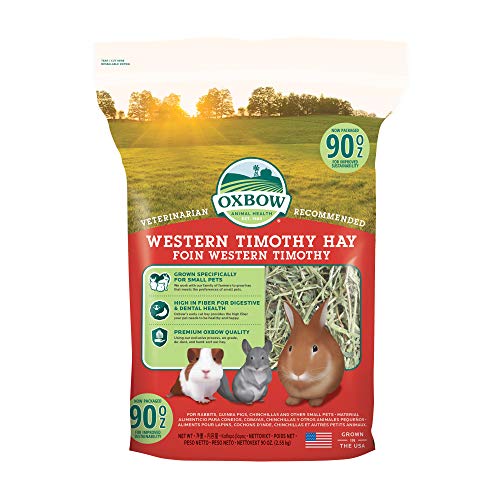
| 1 | Oxbow Western Timothy Hay 90 oz | Hay staple | 80% diet foundation; under 2% sugar; real dental wear |
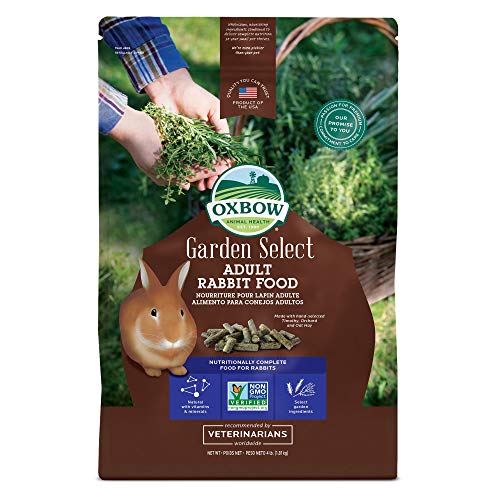
| 2 | Oxbow Garden Select Adult Rabbit 4 lb | Pellet | Garden-inspired; 25% fiber at 2% sugar |
| 3 | Vitakraft Crunch Sticks Triple-Baked | Treat w/ carrot | Dried carrot in controlled portion + wood chew |
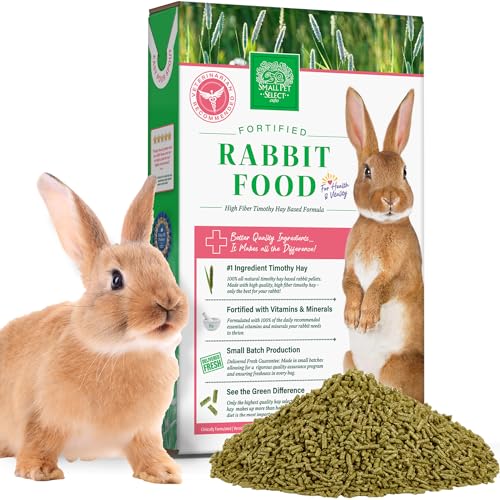
| 4 | Small Pet Select Rabbit Pellets 10 lb | Pellet | Fresh-milled, soy-free, low glycemic |
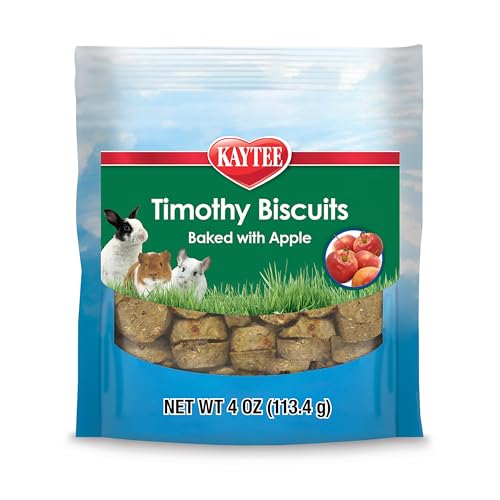
| 5 | Kaytee Timothy Biscuits 4 oz | Treat | Timothy-based, training-sized biscuit |
1. Oxbow Western Timothy Hay 90 oz — 80% of intake. Zip closure keeps it fresh. Check green vs brown.
2. Oxbow Garden Select 4 lb — garden-inspired pellets. Owners call it “the highest quality”. Formula updates cause rejection.
3. Vitakraft Crunch Sticks — carrot flavor + wood chew. Bunnies love the carrot-honey flavor. Honey — 1 stick/week.
4. Small Pet Select Pellets 10 lb — fresh-milled, soy-free. “Fussy bun will eat this” when others fail. Amazon batches less fresh.
5. Kaytee Timothy Biscuits — low-fat training biscuit. Rabbit’s favorite treats. Some refuse the texture.
For more low-sugar options, see our rabbit treats roundup and hamster treats guide. When swapping carrots for any treat above, count the weekly treat budget as one slot — five products, five slots, not five extras on top of carrots. Overlap is the most common mistake owners make when they “diversify” treats.
Quick Reference Checklist — 5 Rules for Safe Carrot Feeding
✅ Do:
- ✅ Ripe orange flesh only, 1 thumbnail-size piece (5-10 g)
- ✅ 2-3 servings per week for adults
- ✅ Wash carrot tops before feeding greens
- ✅ 80% hay foundation (timothy, orchard, or meadow)
- ✅ Vet consult for diabetes or past GI issues
❌ Don’t:
- ❌ Feed baby rabbits under 12 weeks
- ❌ Cooked carrots — sugar concentrates 5× when heated
- ❌ Replace hay with carrots — fiber deficit causes GI stasis
- ❌ Green or unripe carrots — solanine risk
- ❌ Skip the vet if droppings stop 24+ hours
The Bugs Bunny carrot prop is a 1940 marketing gag, not a feeding guide. Carrots are safe with three rules: thumbnail-size, raw only, 2-3 servings weekly. Beyond that trades health for a photo. A rabbit that eats 80% hay, 15% greens, and 5% pellets will never need carrots to thrive — the orange slice is a bonus, not a building block. If your rabbit refuses anything but carrots, work with an exotic vet on hay transition before adding more treats. Start with hay quality.
Cross-Vegetable Safety — Tomatoes, Cabbage, Broccoli
Carrots are one slice of a much bigger question: which vegetables are safe for rabbits and how do they stack against carrots? Can rabbits eat carrots alongside these other vegetables? Yes — in rotation, not as the daily staple. The short answer — most rabbit-safe vegetables fit the same 5%-of-daily-intake rule, but each carries its own pitfall.
Tomatoes: ripe red flesh only, no stems or leaves (solanine). One cherry tomato or a 1 cm wedge of larger fruit, 1-2× weekly. Acidic — slice thin and limit for rabbits with sensitive stomachs. Counted together with carrot as one treat slot.
Cabbage: gas-producing in large amounts. Offer a 1 tablespoon portion, 2-3× weekly, and rotate varieties (green, savoy, napa). Skip red cabbage — higher in oxalates. Introduce slowly or skip if your rabbit has a history of bloat.
Broccoli: another gas-trap. Stems more dangerous than florets. A floret the size of a thumbnail, 1× weekly maximum. Stop if you notice reduced droppings or a gurgly belly within 12 hours.
Bell pepper: safe and vitamin-C rich, but only the flesh (no stem, seeds, or white pith). A thumbnail square, 2-3× weekly. Goes well with carrot in a mixed-treat rotation.
Leafy greens baseline — romaine lettuce, cilantro, parsley, basil, mint, dandelion greens. These should make up the 15% of the diet that carrots and treats do not. They deliver hydration, vitamins A and K, and trace minerals without the sugar load.
Rule of thumb: any vegetable not on the House Rabbit Society’s “safe greens” list should be treated like carrots — research first, introduce a thumbnail portion, watch for 24-hour changes in droppings and appetite, then decide if it earns a weekly slot. Treats are a rotating cast, not a fixed lineup. The rabbit that thrives on a varied weekly rotation out-eats the one fed carrots daily because gut flora stay diverse.