What Is a Tortoise?
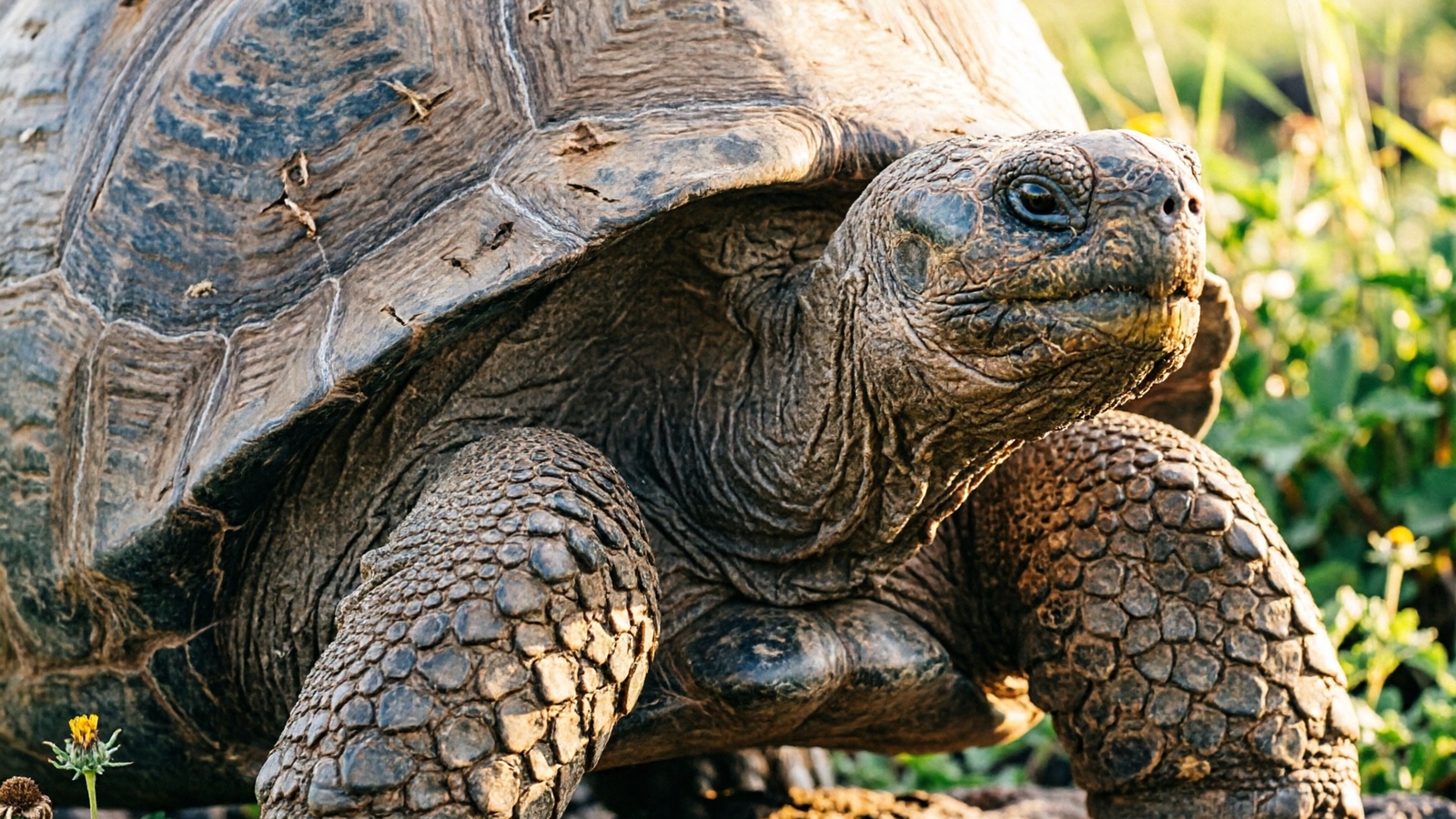
Tortoise: A land-dwelling reptile in the family Testudinidae, characterized by a domed shell, column-like legs, and an exclusively herbivorous or omnivorous diet. Unlike turtles, tortoises are terrestrial — they cannot swim and will drown in deep water. All tortoises are turtles, but not all turtles are tortoises.
Understanding the difference between tortoises and turtles matters because their care requirements are fundamentally different. A turtle setup will harm a tortoise, and vice versa.
Turtle vs Tortoise at a Glance:
- Habitat: Tortoises are land-dwelling; turtles are aquatic or semi-aquatic
- Feet: Tortoises have rounded, columnar feet for walking; turtles have webbed feet or flippers
- Shell: Tortoise shells are high-domed; turtle shells are flatter and more streamlined
- Lifespan: Tortoises live 50-150+ years; most turtles live 20-80 years
- Diet: Most tortoises are herbivorous; many turtles are omnivorous
Tortoises are among the longest-lived pets you can own — some species routinely exceed 100 years (Merck Veterinary Manual). Planning for a 50 to 100 year commitment is not an exaggeration — it is the average reality for most tortoises. See our tortoise lifespan guide for species-specific longevity data.
The term “tortoise species” and their tortoise species pet names refer specifically to reptiles in the family Testudinidae. Over 50 exist worldwide, but only about 10 are commonly kept as pets. The rest are either too rare, too large, or protected under international law.
10 Most Popular Pet Tortoises
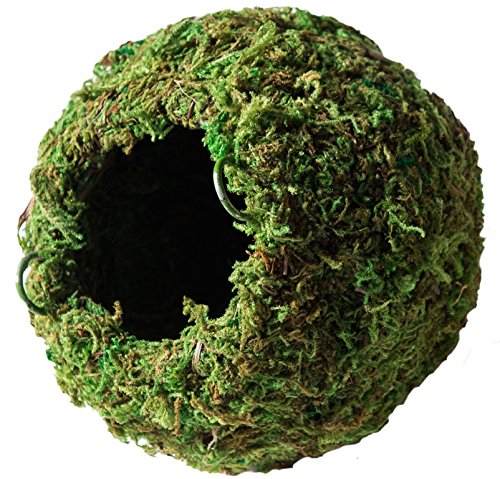
Galápagos Mossy Cave → is a quality option worth considering for your setup.
Choosing the right tortoise requires understanding each one’s adult size, lifespan, dietary needs, and care difficulty.
| Species | Adult Size | Weight | Lifespan | Diet | Difficulty | Price |
|---|---|---|---|---|---|---|
| Russian Tortoise | 6-10 in | 1-3 lbs | 40-60 yrs | Herbivore | Beginner | $50-200 |
| Hermann’s Tortoise | 7-10 in | 2-5 lbs | 50-90 yrs | Herbivore | Beginner | $150-500 |
| Greek Tortoise | 6-10 in | 2-5 lbs | 50-100 yrs | Herbivore | Beg-Int | $100-400 |
| Sulcata Tortoise | 24-36 in | 100-200 lbs | 70-100+ yrs | Herbivore | Advanced | $50-150 |
| Leopard Tortoise | 10-18 in | 20-50 lbs | 50-100 yrs | Herbivore | Intermediate | $100-500 |
| Red-Footed Tortoise | 10-14 in | 5-15 lbs | 30-50 yrs | Omnivore | Intermediate | $150-400 |
| Yellow-Footed Tortoise | 12-18 in | 10-30 lbs | 50-80 yrs | Omnivore | Int-Advanced | $200-600 |
| Marginated Tortoise | 12-14 in | 5-15 lbs | 80-120 yrs | Herbivore | Beg-Int | $200-500 |
| Pancake Tortoise | 6-7 in | 1-2 lbs | 25-35 yrs | Herbivore | Advanced | $300-800 |
| Hingeback Tortoise | 6-9 in | 2-5 lbs | 25-50 yrs | Omnivore | Advanced | $200-600 |
Russian Tortoise (Testudo horsfieldii) is the number one beginner tortoise worldwide. Small, hardy, and tolerant of a wide temperature range, they adapt well to indoor enclosures (VCA Hospitals — Russian Tortoise Care). Their active, curious personalities make them engaging pets. Most reptile veterinarians recommend the Russian as the best first tortoise.
Hermann’s Tortoise (Testudo hermanni) is the most popular European pet tortoise. Beautiful shell patterns, manageable size, and a 50 to 90 year lifespan make them long-term companions. They require outdoor access in summer and are more sensitive to humidity than Russians. Protected under CITES Appendix II — always buy captive-bred from reputable breeders (CITES Species Database).
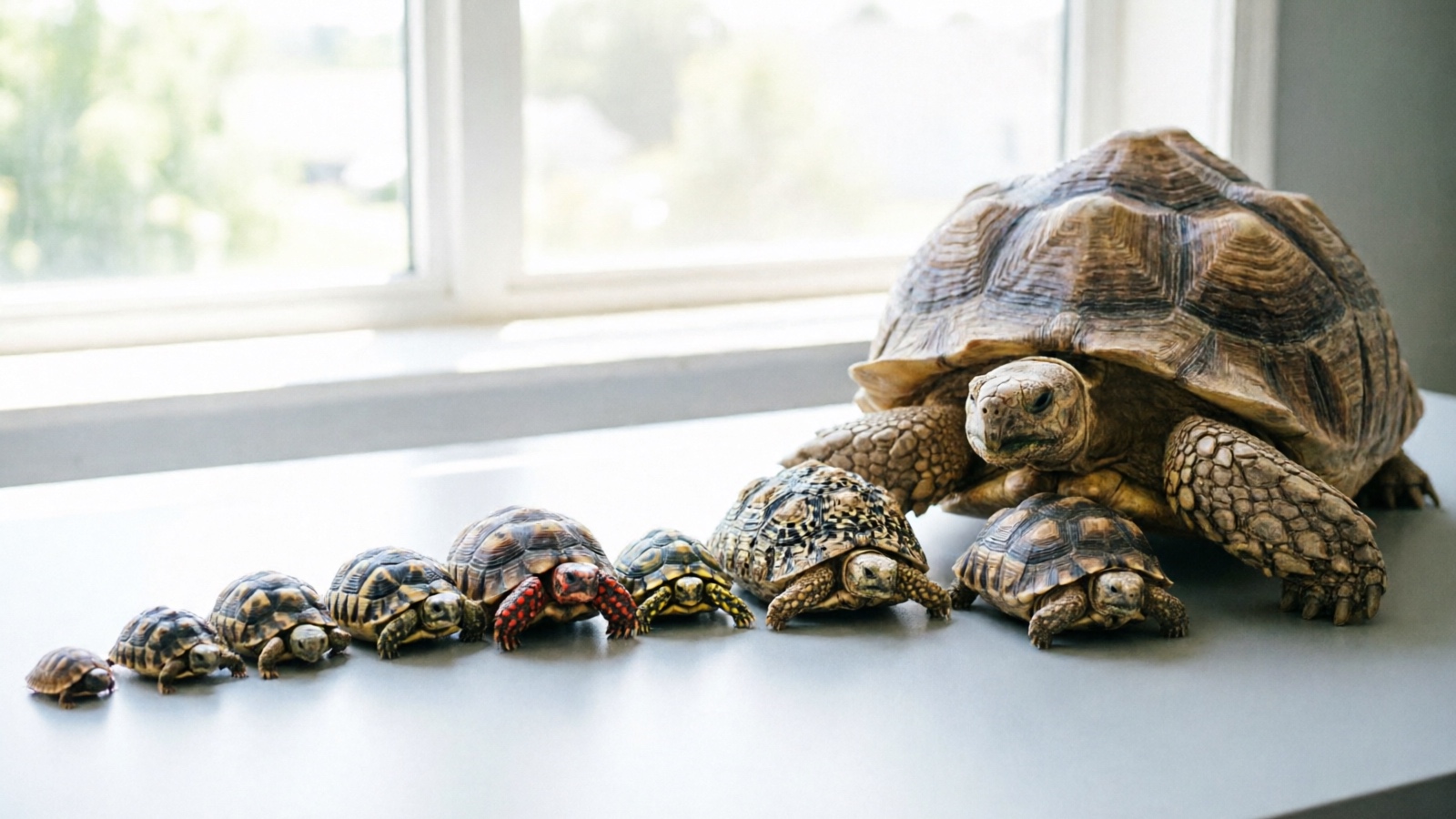
Sulcata Tortoise (Centrochelys sulcata) is the third-largest tortoise in the world. A hatchling fits in your palm, but within 15 to 20 years it reaches 24 to 36 inches and 100 to 200 pounds (Merck Veterinary Manual — Sulcata Tortoise).
Warning: Sulcata Warning: The Sulcata is the large pet tortoise species most commonly surrendered to rescues. Owners cannot accommodate their adult size — they require an entire yard, bulldoze through fencing, and eat enormous amounts of grass hay. Do not buy a Sulcata unless you own your home and have dedicated outdoor space.
Red-Footed Tortoise (Chelonoidis carbonarius) is the most interactive option among commonly kept tortoises. They require higher humidity (60 to 80%) and are tropical, meaning no brumation period (VCA Hospitals — Red-Footed Tortoise).
Pancake Tortoise (Malacochersus tornieri) is the smallest and most unusual pet tortoise. Their flat, flexible shells allow them to wedge into rock crevices for protection. Highly specialized care requirements and sensitivity to stress make them unsuitable for beginners (VCA Hospitals — Pancake Tortoise). They are more of a display species than a handling pet.
The biggest mistake new keepers make is choosing based on hatchling appearance rather than adult size and lifespan requirements. A two-inch Sulcata hatchling is adorable — a 200-pound adult Sulcata is a life-changing responsibility (The Tortoise Table — Plant Database).
Tortoise Comparison Table
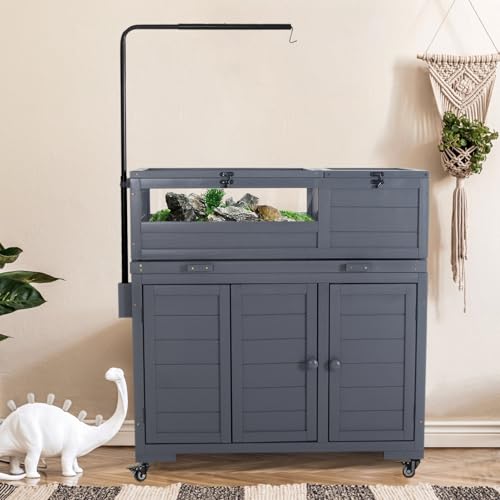
Many owners find that Agitree Premium Cabinet works well for their pet’s needs.
This tortoise species pet list groups the same 10 species by key decision factors. Use it to narrow your choices before reading the detailed profiles above.
| Species | Size Category | Lifespan | Diet Type | Indoor OK? | Best For |
|---|---|---|---|---|---|
| Russian | Small (6-10 in) | 40-60 yrs | Herbivore | Yes | First-time keepers |
| Hermann’s | Small (7-10 in) | 50-90 yrs | Herbivore | Yes | Outdoor keepers |
| Greek | Small (6-10 in) | 50-100 yrs | Herbivore | Yes | Dry climate keepers |
| Marginated | Medium (12-14 in) | 80-120 yrs | Herbivore | Yes | Cool climate keepers |
| Red-Footed | Medium (10-14 in) | 30-50 yrs | Omnivore | Yes | Interactive pet seekers |
| Pancake | Tiny (6-7 in) | 25-35 yrs | Herbivore | Yes | Experienced display keepers |
| Hingeback | Small (6-9 in) | 25-50 yrs | Omnivore | Yes | Advanced keepers |
| Yellow-Footed | Medium (12-18 in) | 50-80 yrs | Omnivore | Partial | Experienced tropical keepers |
| Leopard | Large (10-18 in) | 50-100 yrs | Herbivore | Partial | Intermediate with outdoor space |
| Sulcata | XL (24-36 in) | 70-100+ yrs | Herbivore | No | Expert with yard |
The most important factor when choosing from this tortoise species pet list is adult size. A hatchling Sulcata is two inches — identical to a hatchling Russian. Ten years later, the Sulcata is 20-plus inches and 50-plus pounds while the Russian is still eight inches.
Best Pet Tortoises for Beginners
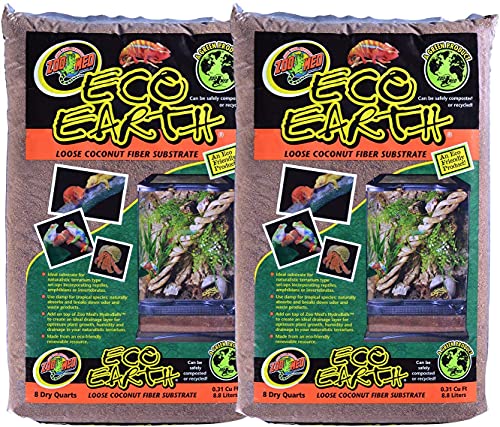
For this purpose, Zoo Med Eco Earth Coconut Fiber is a popular choice among pet owners.
Use this tortoise species pet list to identify the right beginner species — not every tortoise makes a good first pet. Some require decades of specialized experience, outdoor enclosures, or specific climate conditions. These three species are the best starting points for new tortoise keepers.
Beginner tortoise selection checklist:
- Choose Russian tortoise for first-time keepers — small adult size (6-10 in), hardy, affordable ($50-200), adapts to indoor life
- Choose Hermann’s tortoise for outdoor enclosures — striking shell patterns, 50-90 year lifespan, captive-bred only (CITES Appendix II)
- Choose Marginated tortoise for cooler climates — tolerates cold better than any species, long-lived (80-120 years)
- Research adult size, not hatchling appearance — a 2-inch Sulcata becomes 200 lbs in 15 years
- Budget for 40-100+ year lifespan commitment — include enclosure, vet visits ($50-150/yr), food ($20-60/mo), UVB electricity ($15-30/mo)
- Verify local laws before purchasing — Sulcata banned in some Florida counties; some states require permits
- Do NOT buy Sulcata as first tortoise — requires entire yard, destroys fencing, most commonly surrendered to rescues
- Do NOT buy Pancake or Hingeback as beginner — highly specialized care, sensitive to stress, advanced keepers only
- Do NOT keep any tortoise in a glass tank — poor ventilation; use open-top tortoise tables instead
- Do NOT feed grazing herbivores protein or fruit-heavy diets — causes irreversible shell pyramiding (Merck Veterinary Manual)
1. Russian Tortoise — Best Overall Beginner Choice
If you are looking for the best pet tortoise for beginners, the Russian is the clear winner. Tortoise species pet price ranges from $50 to $200 for Russians — they adapt readily to indoor enclosures and eat affordable greens and grasses. A 40 to 60 year lifespan means they will likely outlive their first owner (Merck Veterinary Manual — Testudo Species).
2. Hermann’s Tortoise — Best for Outdoor Enclosures
Similar in size to the Russian but with more striking shell patterns. They prefer stable humidity and benefit from outdoor grazing areas during warmer months.
Captive-bred only due to CITES Appendix II protection. Expect a 50 to 90 year commitment.
3. Marginated Tortoise — Best for Cooler Climates
The largest European tortoise at 12 to 14 inches, native to mountainous regions of Greece. Tolerates cooler temperatures better than any other commonly kept species (Merck Veterinary Manual — Marginated Tortoise).
Hardy, adaptable, and impressively long-lived at 80 to 120 years. Less commonly available and may require finding a specialist breeder.
Learning tortoise species pet names and their dietary needs is critical — proper species-specific diet matters from day one. See our tortoise food guide for nutritional requirements by species.
Housing needs also vary dramatically between species. See our enclosure guide for species-specific setup requirements.
Best Small Tortoises (Under 10 Inches)
Looking for pet tortoise species small enough to keep indoors? Four tortoises remain under 10 inches as adults, making them practical for apartment dwellers.
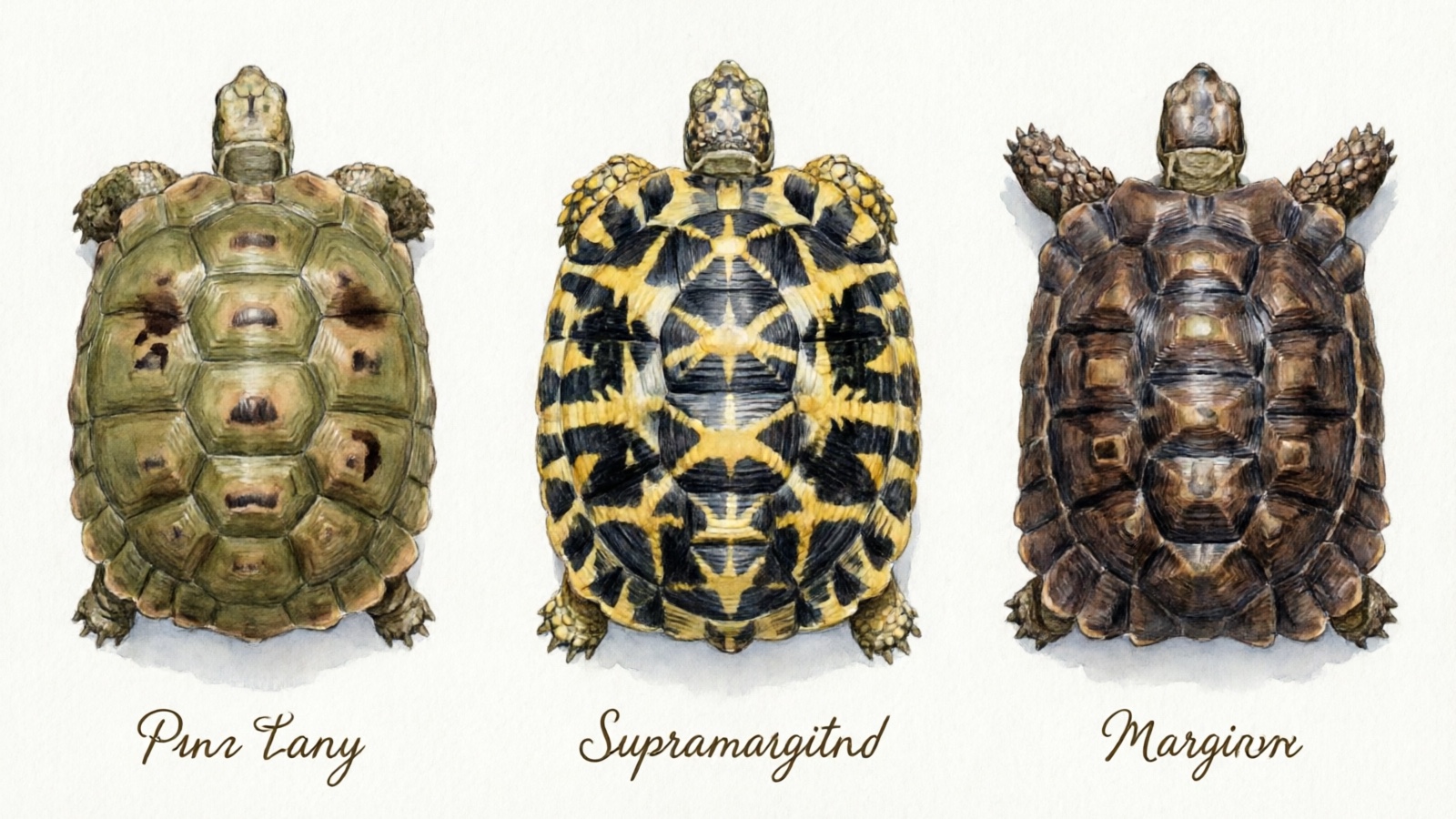
Russian Tortoise (6 to 10 inches) is the best small all-rounder. Hardy, active, affordable, and widely available. The most forgiving small species for first-time keepers.
Greek Tortoise (6 to 10 inches) is similar to the Russian but slightly more sensitive to high humidity. Better suited to drier indoor environments.
Hermann’s Tortoise (7 to 10 inches) sits at the upper limit of “small” but remains manageable indoors. More striking shell patterns than the Russian.
Pancake Tortoise (6 to 7 inches) is the smallest species but comes with advanced-level care requirements. Their flat shells and rock-crevice habitat needs make them a poor choice for beginners.
A critical point confirmed by reptile veterinarians: “small tortoise” does not mean “easy tortoise” (VCA Hospitals — Tortoise Selection). Pancake tortoises are the smallest but have the most demanding care. For beginners, the Russian combines manageable size with the most hardy temperament.
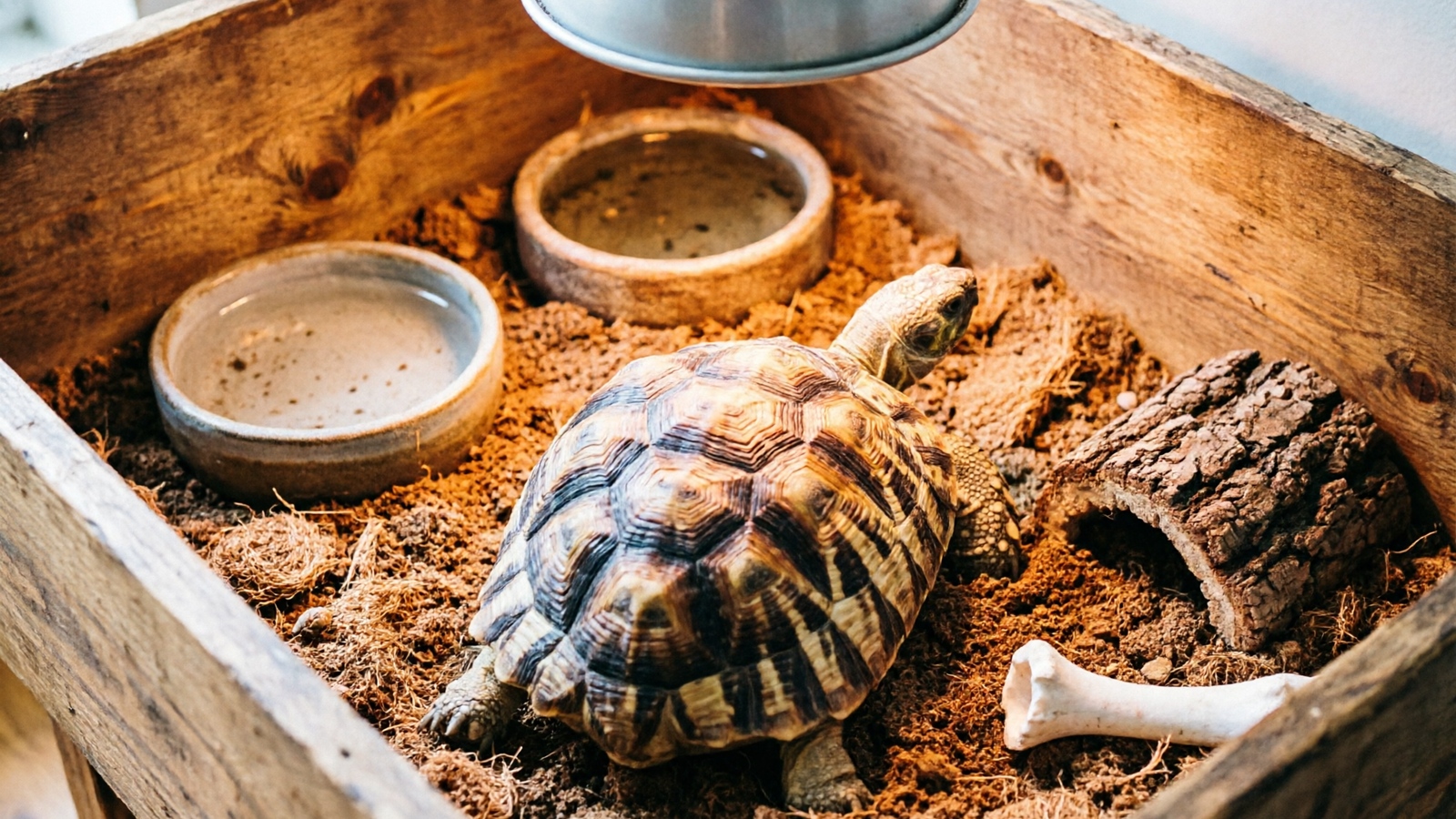
When researching pet tortoise species small enough for apartments, remember that even small tortoises need significant floor space. A six-inch Russian requires a minimum 4 by 8 foot indoor enclosure — 32 square feet (Merck Veterinary Manual — Testudines Housing). Small shell does not mean small enclosure.
How to Choose the Right Tortoise
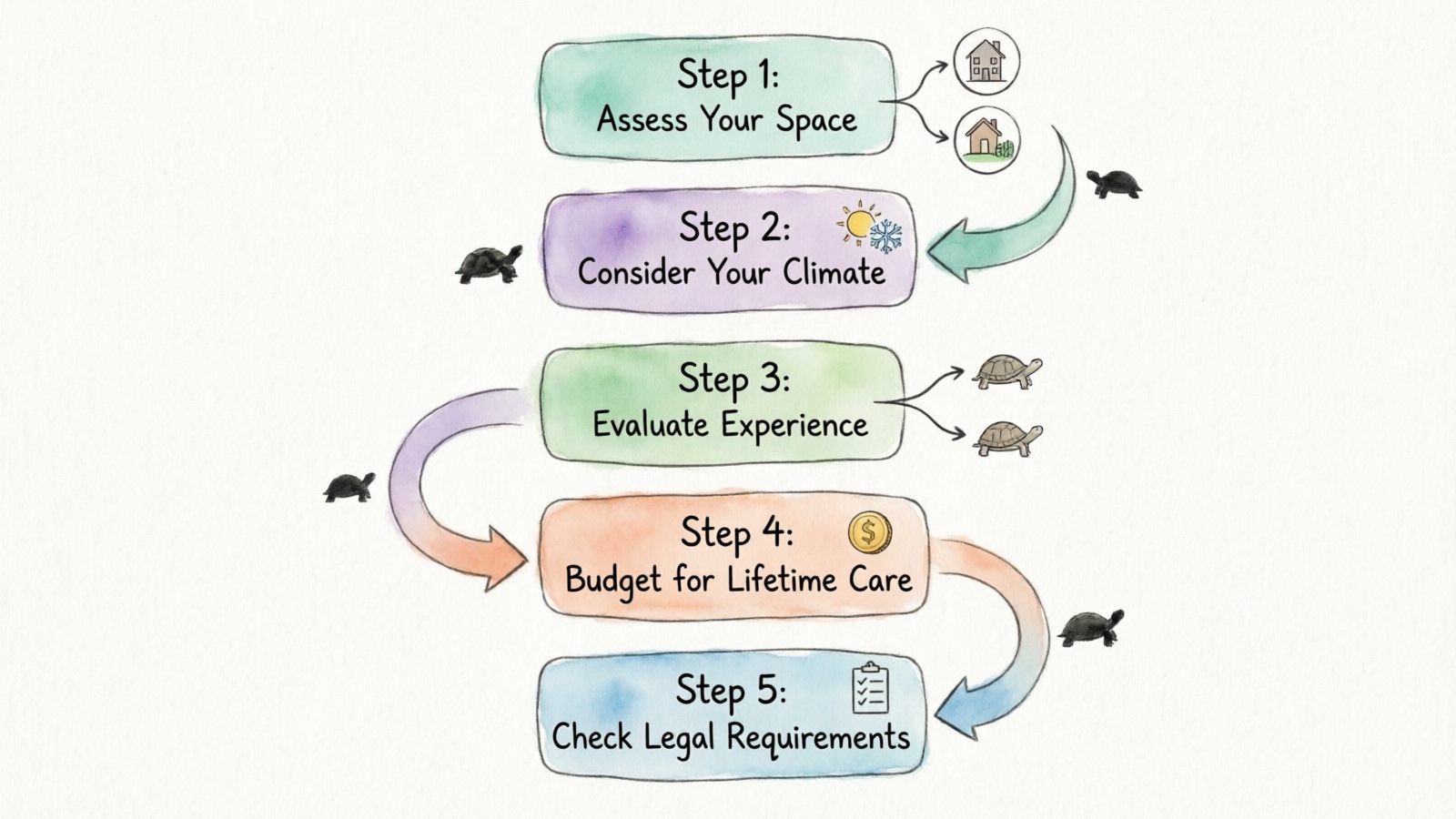
Use this five-factor framework to answer which tortoise should I get before visiting any breeder or reptile show. The question of which tortoise should I get depends on practical realities, not just which hatchling looks cutest.
Step 1: Assess Your Space
How much indoor and outdoor space can you provide? If you rent an apartment, your options are Russian, Greek, Hermann’s, or Pancake only.
If you own a home with a yard, Sulcata, Leopard, or any large pet tortoise species becomes possible. Remember that outdoor enclosures must be predator-proof — raccoons, dogs, and birds of prey all target tortoises (Merck Veterinary Manual — Outdoor Tortoise Housing).
Step 2: Consider Your Climate
Do you live in a warm climate where tropical species like the Red-footed can live outdoors year-round? Or a cold climate where all species must overwinter indoors? Species that brumate (Russian, Hermann’s, Greek) handle cold winters better than tropical species that require constant warmth (Merck Veterinary Manual — Brumation in Testudines).
Step 3: Evaluate Your Experience
First-time reptile keepers should start with Russian or Hermann’s tortoises. Experienced keepers can consider Red-footed, Leopard, or Marginated. Only expert keepers should attempt Pancake, Hingeback, or Sulcata. When weighing tortoise species pet price against difficulty, note that for Sulcata the challenge is accommodating adult size rather than care complexity.
Step 4: Budget for Lifetime Care
Tortoises outlive most pets — annual veterinary care is essential even for healthy-looking animals (Merck Veterinary Manual — Reptile Preventive Care). When considering tortoise species pet price, understand that a 50-year commitment means enclosure costs, annual veterinary visits ($50 to $150), monthly food ($20 to $60 depending on species size), electricity for UVB and heat lamps ($15 to $30 monthly), and an emergency vet fund of $500 to $2,000.
Step 5: Check Legal Requirements
Verify your state and local laws before purchasing.
| Factor | Beginner (Russian/Hermann’s) | Intermediate (Red-Foot/Leopard) | Advanced (Sulcata/Pancake) |
|---|---|---|---|
| Enclosure | 4×8 ft indoor table | 6×8 ft indoor or small outdoor | Entire yard or dedicated outdoor space |
| Temperature | 75-85°F warm, 65-75°F cool | 80-90°F warm, humidity 60-80% | Species-specific, often outdoor |
| Diet Cost | $20-30/month | $30-50/month | $40-60+/month |
| Vet Budget | $50-100/year | $100-150/year | $150-300+/year |
| Lifespan | 40-90 years | 30-100 years | 25-100+ years |
| Legal | Generally legal | Generally legal | Check local laws (Sulcata restricted) |
| Experience | No prior reptile experience | 1-3 years reptile experience | 5+ years tortoise-specific experience |
Warning: Lifespan Reality Check: The most important factor that most first-time buyers underestimate. A Russian tortoise lives 40 to 60 years. A Sulcata can live 70 to 100+ years. Many tortoises outlive their owners and require rehoming. Consider who will care for your tortoise in your will or long-term plans.
Tortoises by Diet Type
Understanding tortoise diet requirements by category simplifies feeding decisions and prevents dangerous nutritional mistakes.
| Diet Type | Species | Key Dietary Needs |
|---|---|---|
| Grazing Herbivores | Russian, Hermann’s, Greek, Marginated, Sulcata, Leopard | 80-90% grasses and weeds, 10-20% leafy greens and flowers, limited fruit |
| Omnivores | Red-Footed, Yellow-Footed, Hingeback | 50% fruit and vegetables, 30% leafy greens, 10-20% protein from insects, worms, or carrion |
| Specialized Herbivores | Pancake | Succulents, grasses, and leafy greens — limited variety in the wild |
The most dangerous feeding mistake is giving grazing herbivores high-protein or high-fruit diets (Merck Veterinary Manual — Nutritional Disorders of Tortoises). Excess protein causes shell pyramiding — permanent, irreversible deformity that shortens lifespan and causes chronic pain (VCA Hospitals — Metabolic Bone Disease and Shell Deformity). Excess fruit causes metabolic disruption and chronic diarrhea.
Knowing the scientific and tortoise species pet names for each animal helps: each tortoise evolved for a specific diet in a specific habitat. Feeding a Sulcata a fruit-heavy Red-footed diet, or giving a Russian tortoise the protein-rich omnivore diet of a Hingeback, causes serious health problems.
Shell pyramiding from improper diet is commonly seen in rescue tortoises that were fed dog food by well-meaning but misinformed owners (The Tortoise Trust — Dietary Requirements). The damage is permanent and heartbreaking — prevention through proper diet is the only solution.
For species-specific food recommendations and feeding schedules, see our complete tortoise food guide.
Substrate choice also varies by species humidity requirements. See our substrate guide for species-specific recommendations.
Tortoise FAQ
What is the best tortoise for a beginner?
The Russian tortoise is widely considered the best beginner tortoise. They stay small at 6 to 10 inches, are extremely hardy, tolerate a wide range of temperatures, and have active personalities. Hermann’s tortoise is the second-best choice — similar size but slightly more humidity-sensitive and more expensive.
What is the smallest tortoise species?
The Pancake tortoise is the smallest pet tortoise at 6 to 7 inches, but is not recommended for beginners due to specialized care requirements. The smallest beginner-friendly species is the Russian tortoise at 6 to 10 inches. Even small tortoises need a minimum of 32 square feet of floor space.
What is the largest pet tortoise species?
The Sulcata tortoise is the largest commonly kept pet tortoise, reaching 24 to 36 inches and 100 to 200-plus pounds as adults. A hatchling the size of a golf ball can weigh 50 pounds within five years. Sulcatas are routinely surrendered to rescues when owners cannot accommodate their adult size.
Can I keep a tortoise indoors?
Yes — Russian, Greek, Hermann’s, and Pancake tortoises can be kept indoors year-round with proper UVB lighting and large enclosures. Larger species eventually require outdoor space as adults. No tortoise should be kept in a glass tank — open-top tortoise tables provide better ventilation.
Are tortoises illegal to own?
Most common pet tortoises are legal in the US, but regulations vary by state and locality. Sulcata tortoises are banned in some Florida counties due to their invasive potential. Always check local ordinances before purchasing, buy only captive-bred from reputable breeders, and never purchase wild-caught animals.