Quick Answer
Western hognose snakes are fossorial — they spend the majority of their active hours underground, constructing tunnel systems in loose substrate. The best hognose snake substrate must satisfy three non-negotiable criteria: burrow structural integrity (particles large enough to hold tunnels), impaction safety (particles small enough to pass through the digestive tract if swallowed during feeding strikes), and moisture management (supporting 30–50% ambient humidity without promoting fungal growth). Aspen satisfies all three for the widest range of keepers and remains the safest default. Sand, calcium sand, pine, and cedar are contraindicated without exception.
Substrate Types for Hognose Snakes
Western hognose snakes (Heterodon nasicus) are native to the shortgrass prairies of North America, where they inhabit loose, well-drained sandy loam soils. Their fossorial lifestyle means substrate selection directly affects respiratory health, thermoregulation, and feeding safety. A substrate that holds tunnels prevents the snake from resting directly on glass or plastic, reducing thermal burns and stress.
The criteria for substrate selection are straightforward but species-specific:
- Burrow support: Particles must interlock enough to maintain tunnel structures without collapse
- Impaction safety: If accidentally ingested during feeding, particles must pass through the approximately 2mm-diameter intestinal tract of an adult hognose without causing obstruction
- Moisture control: Must support 30–50% ambient humidity (per ARAV husbandry guidelines) without remaining wet enough to promote scale rot or respiratory infection
- Chemical safety: Must contain zero phenols, aromatic oils, or volatile organic compounds
Five substrate types meet these criteria for hognose snakes, each with distinct tradeoffs.
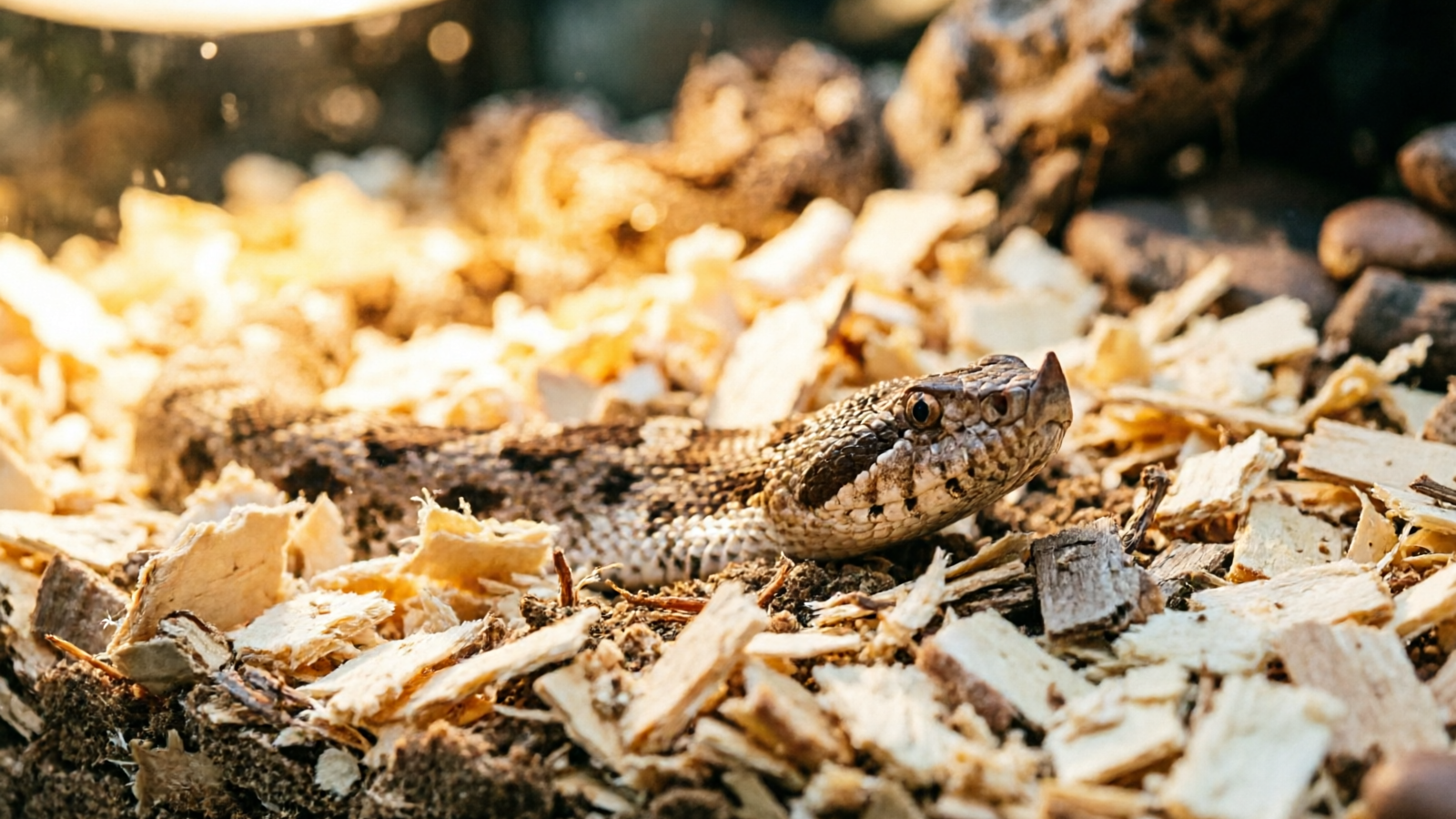
Aspen (Populus tremuloides shavings) is the consensus default substrate among herpetoculturists and breeders. Kiln-dried aspen contains no aromatic oils, has a particle size range of 2–8mm that supports tunnel construction, and passes through the digestive tract safely in small quantities. It absorbs approximately 1.5x its weight in moisture, making it suitable for the 30–50% humidity range hognose snakes require. Mold resistance is moderate — aspen begins developing fungal growth at sustained humidity above 60%.
Coconut fiber (coco coir from Cocos nucifera husk) has a finer particle profile (0.5–3mm) that retains 8–9x its weight in water, making it the superior choice for keepers in dry climates struggling to maintain minimum humidity. The tradeoff is reduced burrow stability — fine particles collapse more easily under the weight of an adult hognose. Sphagnum moss (Sphagnum spp.) serves as a supplemental humidity layer inside moist hides, not as a primary substrate.
Bioactive substrates replicate the natural soil ecology of hognose habitat. A properly constructed bioactive mix combines organic topsoil, washed play sand (particle size 0.1–0.5mm), coconut fiber, and leaf litter, inoculated with a cleanup crew of isopods (Porcellio scaber or Armadillidium vulgare) and springtails (Collembola spp.). This approach converts organic waste into plant nutrients, extending substrate lifespan from 3–4 months (loose bedding) to 6–12 months. Upfront cost is higher, and the system requires a 2–4 week cycling period before introducing the snake.
Cypress mulch (Taxodium distichum) offers larger particle sizes (5–15mm chips) that resist compaction and maintain excellent tunnel structure in humid climates. The natural cypress oils provide mild antifungal properties. Risk: cypress products from unknown suppliers may carry mite eggs — freeze for 48 hours before use per standard quarantine protocol.
Bark chips (Abies spp. fir or Taxodium cypress) provide the largest particle sizes and best structural support for adult enclosures. However, pieces smaller than the snake’s head diameter pose impaction risk for juveniles, and fine bark dust from deteriorating pieces can irritate the respiratory tract. Suitable only for adult hognose snakes in well-ventilated enclosures.
What to avoid: Pine (Pinus spp.) and cedar (Thuja spp.) contain phenolic compounds that cause hepatic necrosis and respiratory epithelial damage in squamates — documented across multiple veterinary toxicology studies (Merck Veterinary Manual, Clinical Reptile Medicine and Surgery — Mader). Sand and calcium sand are the leading documented cause of GI impaction in fossorial snakes; calcium sand is particularly dangerous because it reacts with gastric acid to form solid concretions. Paper towels, while appropriate for quarantine, do not satisfy any criterion for long-term housing.
Comparison Table
| Product | Type | Price | Particle Size | Humidity | Impaction Risk | Best For |
|---|---|---|---|---|---|---|
| Zoo Med Aspen Snake Bedding | Aspen | $9.59 | 2–8mm | Low–moderate | Low | TOP PICK — all ages |
| Zilla Jungle Mix | Cypress/Bark | $10.99 | Mixed 3–15mm | Moderate | Moderate | BEST VALUE — adults |
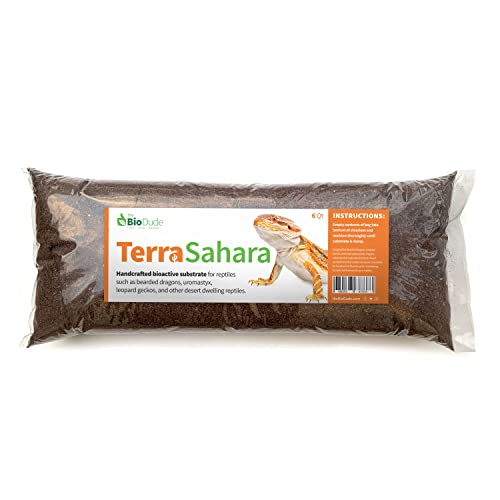
| The Bio Dude Terra Sahara | Bioactive | $19.99 | 0.5–5mm | Moderate–high | Low | BEST BIOACTIVE — display |
| Zoo Med Eco Earth | Coconut Fiber | $29.69 | 0.5–3mm | High | Low | BEST BUDGET — dry climates |
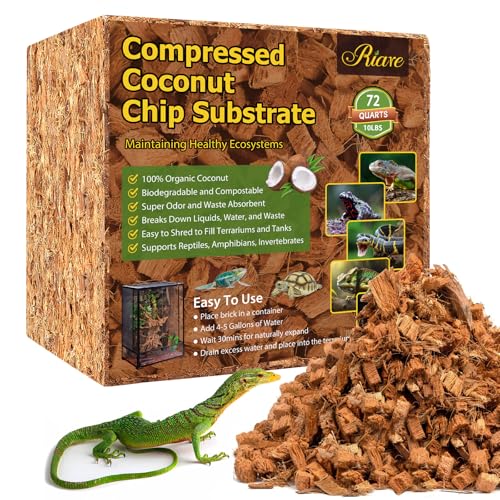
| ReptiChip Premium Coconut Chip | Coconut Husk | $23.99 | 5–12mm | Moderate | Low | LARGE ENCLOSURES — 40gal+ |
Top Pick: Zoo Med Aspen Snake Bedding
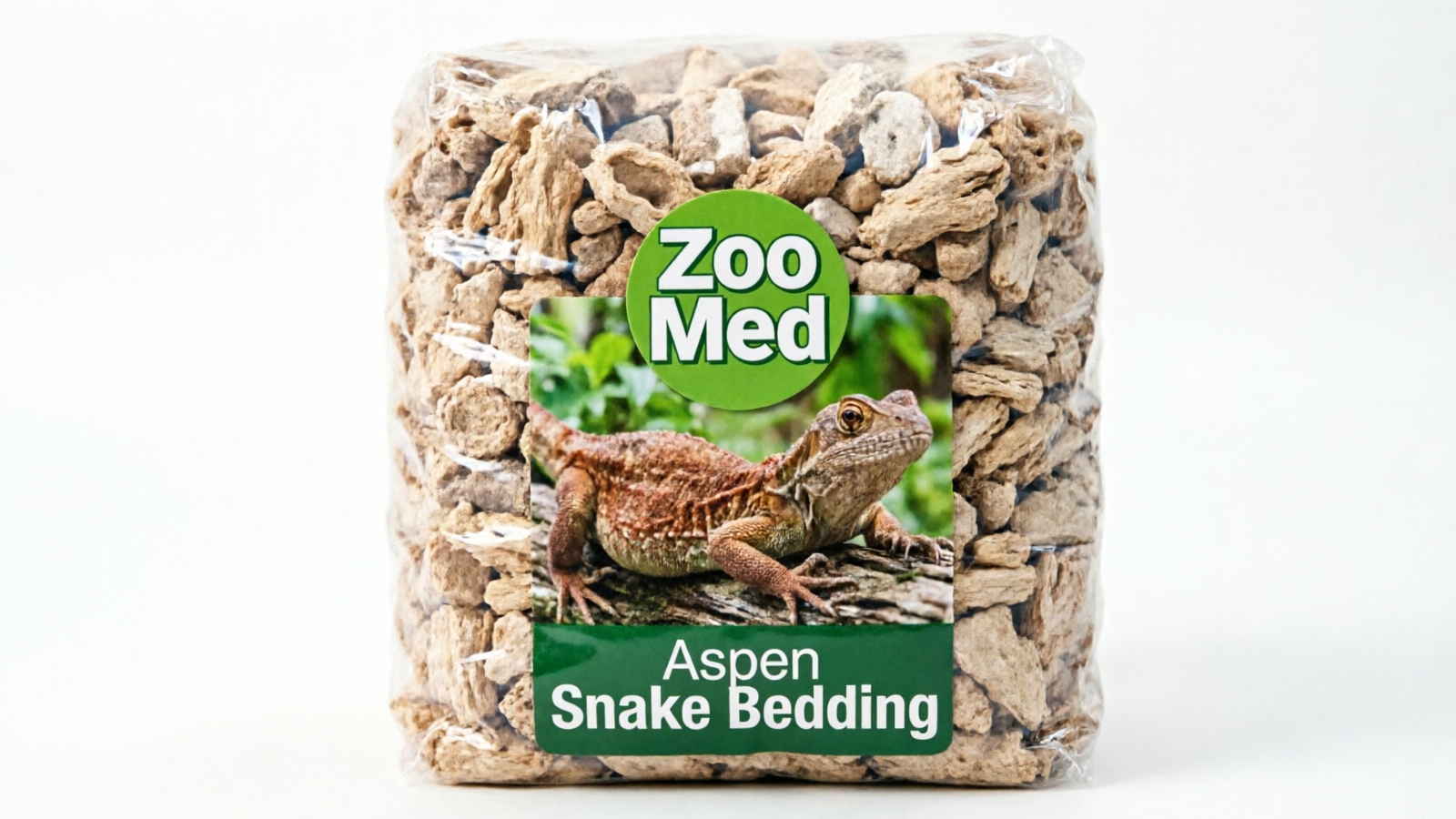
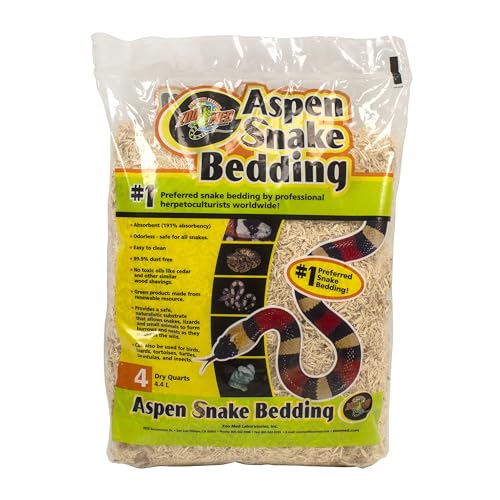
Zoo Med Aspen Snake Bedding is the most widely used hognose snake substrate among keepers. Kiln-dried aspen shavings provide a safe, dust-free burrowing medium that holds moderate humidity without staying wet. The particle size is small enough for hatchlings yet substantial enough to maintain tunnel structures for adults.
One keeper reports using this product since their snake was a baby, noting consistent quality over years of use. The bags arrive intact with no holes — a practical detail that matters when substrate spillage means wasted money.
The main advantage of aspen over other hognose snake burrowing substrate options is safety during feeding. If a hognose accidentally ingests aspen while striking at prey, the small shavings pass through the digestive tract without causing blockage. Bark chips, sand, and gravel do not share this property.
Warning: Freeze before use: Multiple keepers reported finding mites in commercially packaged substrates. Place the bag in your freezer for 48 hours before adding to your enclosure. This kills any pest eggs without affecting the substrate quality.
Who should skip: Keepers in very humid climates. Aspen absorbs moisture quickly and can mold if ambient humidity stays above 60 percent for extended periods. In humid environments, consider coconut fiber instead.
Best Value: Zilla Jungle Mix
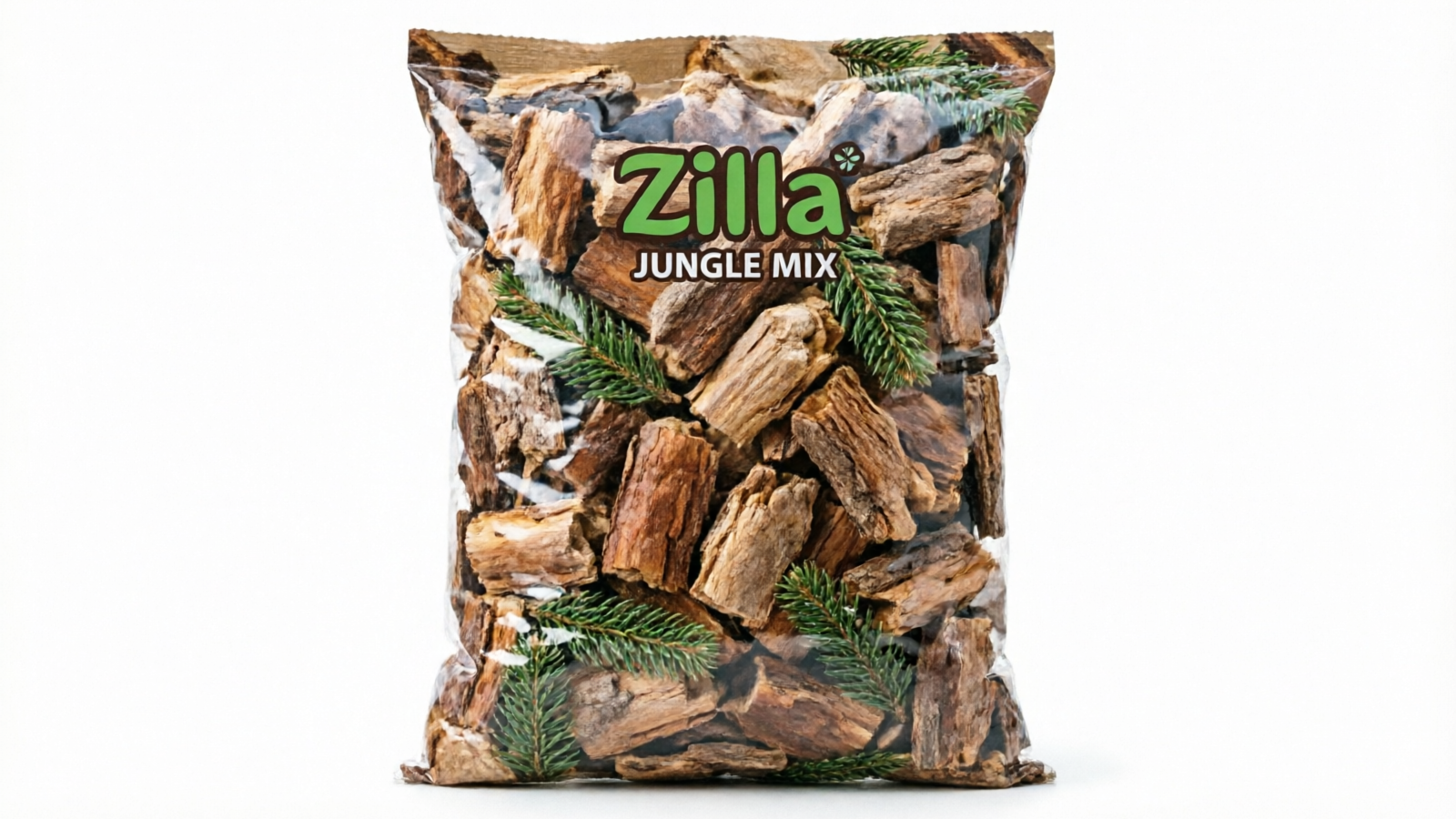
Zilla Jungle Mix blends cypress bark and fir shavings for a versatile substrate that handles both dry and moderately humid conditions. One reviewer filled a 20-gallon tank three inches deep using less than half the bag, making this one of the better values per volume available.
The mixed particle sizes create natural variation that supports burrowing while maintaining structure. Crested gecko and bioactive enclosure keepers have covered this substrate successfully with springtails and isopods, suggesting it works as a base for bioactive hognose setups too.
Warning: Safety concern: Multiple reviewers reported finding micro-splinters when handling this product. One keeper described getting about 15 tiny splinters that resembled fiberglass. If you choose this product, wear gloves during setup and inspect the mix carefully before adding it to your hognose enclosure.
Who should skip: Keepers with juvenile hognose snakes. The mixed particle sizes include some pieces small enough to cause irritation. For younger snakes, stick with fine-particle substrates like aspen or coconut fiber.
Best Bioactive: The Bio Dude Terra Sahara
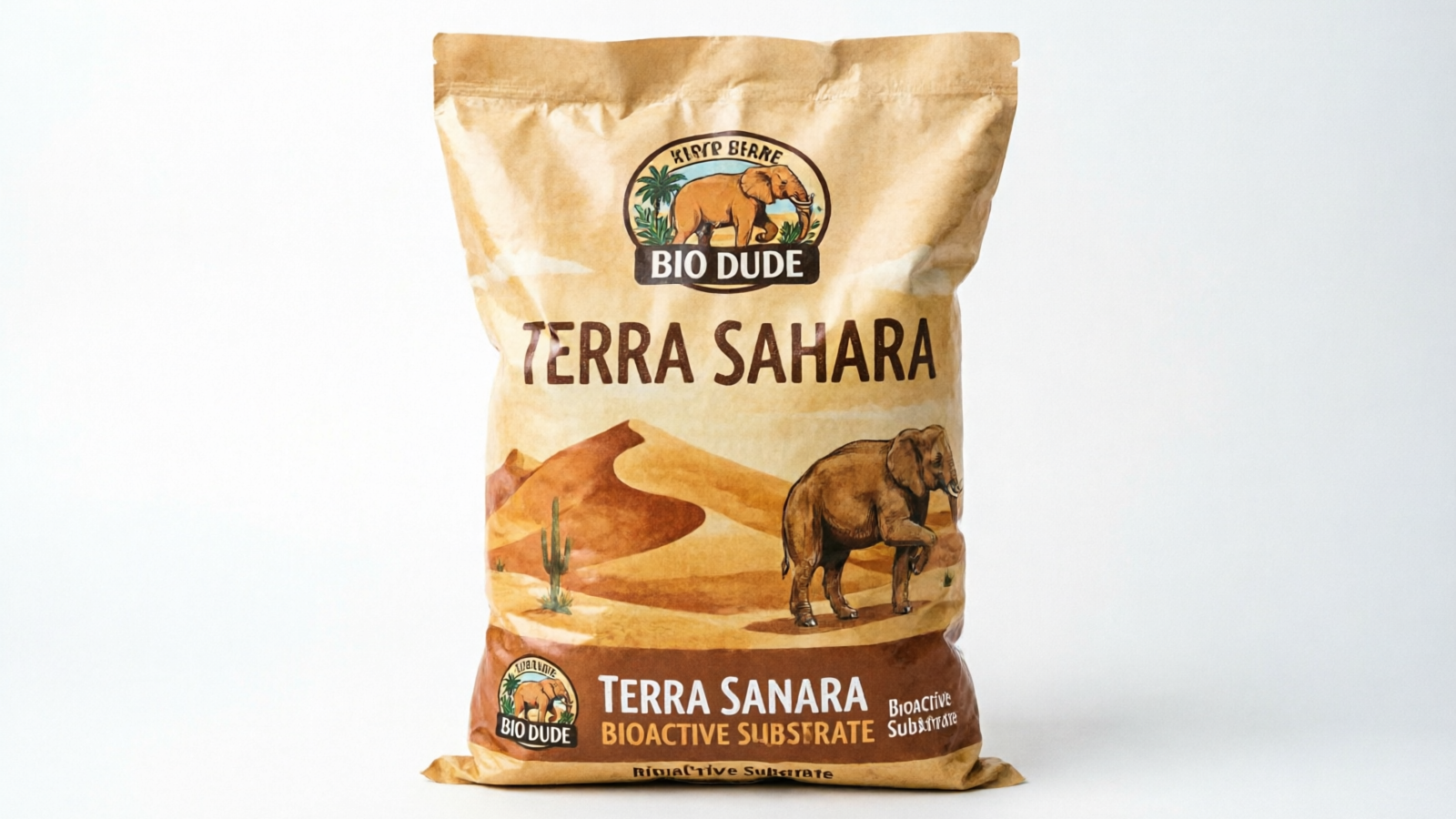
The Bio Dude Terra Sahara is designed specifically for arid and semi-arid reptile species like western hognose snakes. The substrate comes pre-inoculated with beneficial microbes that support a cleanup crew of isopods and springtails, reducing the need for frequent full substrate changes.
A hognose owner who is allergic to aspen called this substrate a lifesaver, noting that the granules are soft and easy for their snake to dig through. The naturalistic appearance also looks appealing in display enclosures. However, if you wonder is reptisoil good for hognose snakes — not every hognose keeper has had the same experience — one reviewer reported their hognose preferred aspen over Terra Sahara.
The main tradeoff is cost. At $19.99 for 6 quarts, this is the most expensive option per volume. The substrate also requires specific moisture management to avoid becoming either too powdery or too moldy.
Warning: Moisture balance matters: Reviewers noted this substrate can turn to powder if too dry or grow mold if too wet. Aim for a consistency that holds shape when squeezed but does not drip water.
Who should skip: Keepers on a budget or those who prefer low-maintenance setups. Bioactive requires an initial investment in cleanup crew organisms and more careful monitoring. For straightforward substrate management, aspen or coconut fiber are simpler choices.
Best Budget: Zoo Med Eco Earth Coconut Fiber
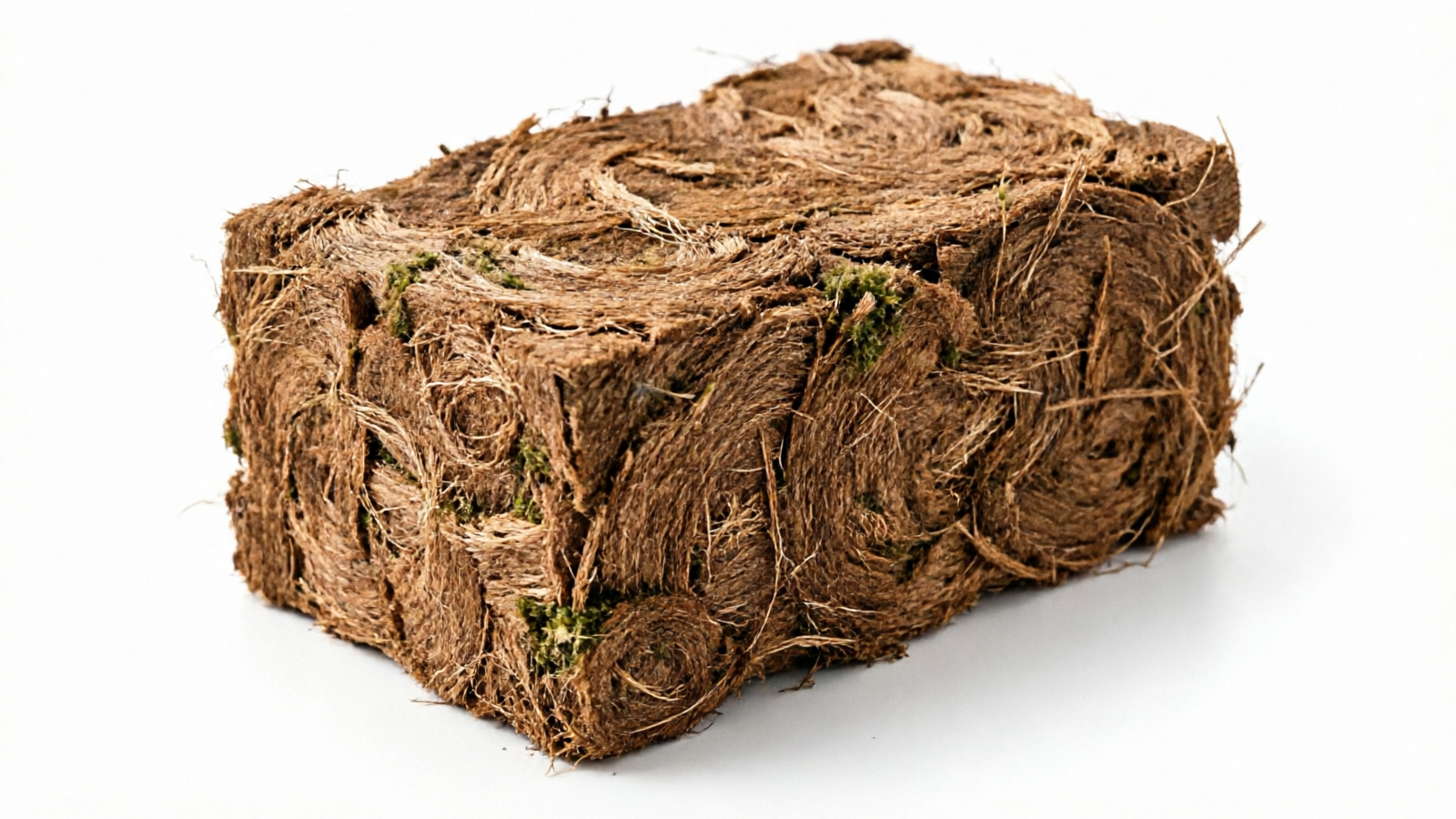
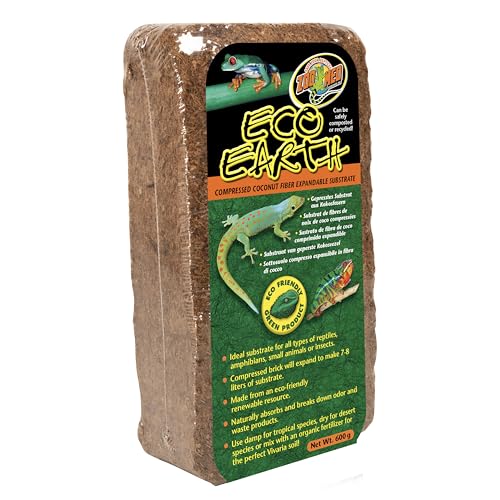
Zoo Med Eco Earth is still one of the cheaper ways to buy coconut fiber in bulk. Each compressed brick expands to 7 to 8 liters when hydrated, so a 3-pack at $29.69 covers a typical adult enclosure. The fine coconut fiber texture holds humidity better than aspen, which benefits keepers in dry climates.
The preparation process takes more effort than ready-to-use substrates. You need to soak the brick in water for 30 minutes, then spread the expanded fiber to dry before adding it to your enclosure. One reviewer found this process took most of an afternoon for multiple bricks.
The expanded fiber retains moisture well, which is both an advantage and a limitation. In dry climates, Eco Earth helps maintain the 30 to 50 percent humidity range hognose snakes need. In already-humid environments, it can hold too much moisture and promote mold growth.
Warning: Dry thoroughly before use: After soaking, spread the expanded coconut fiber in a thin layer and let it dry until it feels damp but not wet. Overly wet coconut fiber causes scale issues and respiratory problems in snakes.
Who should skip: Keepers who want a ready-to-use option. The hydration and drying process adds time compared to dumping pre-packaged aspen or coconut chips directly into an enclosure.
Best for Large Enclosures: ReptiChip Premium Coconut Chip Bedding
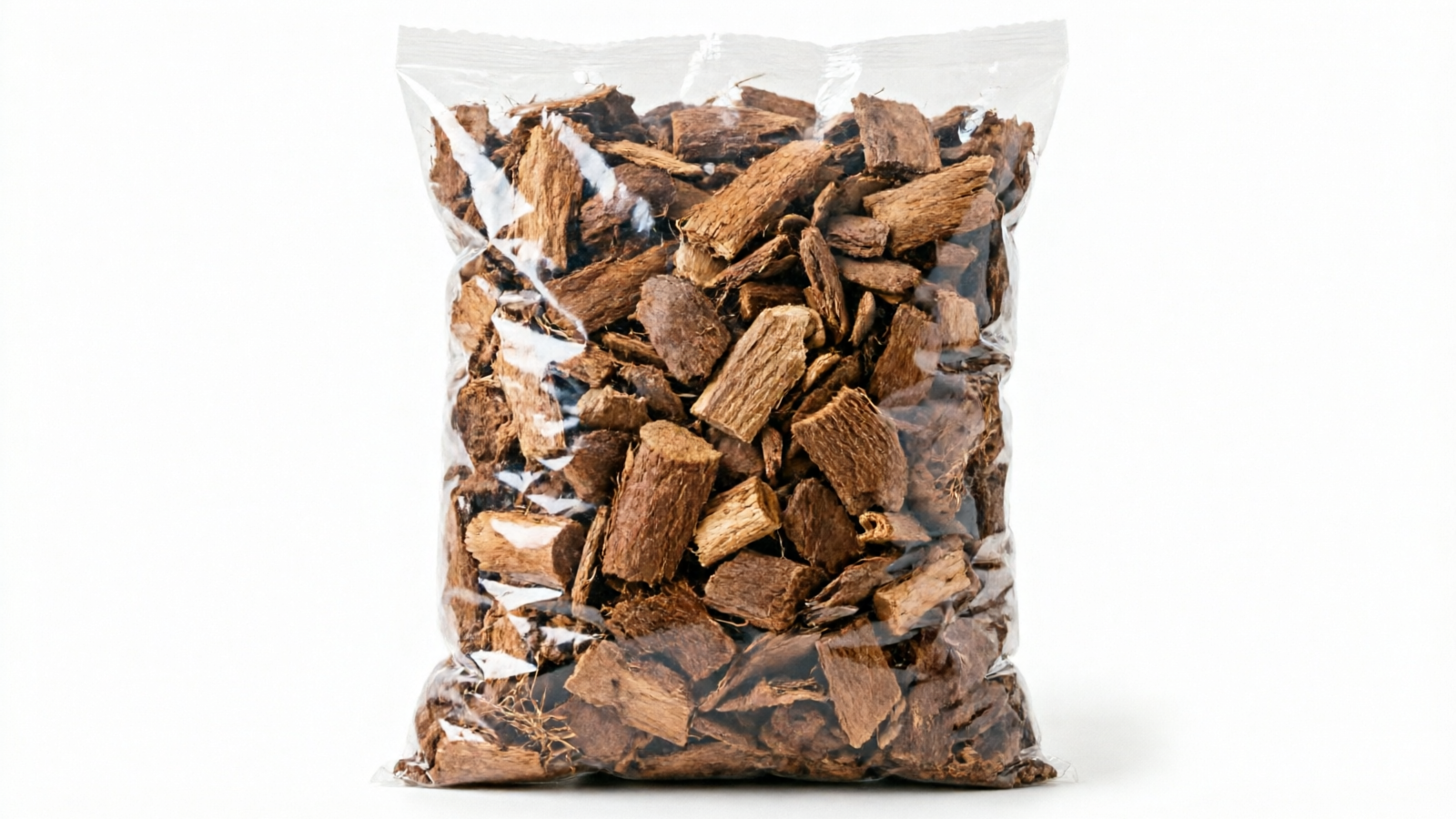
ReptiChip Premium Coconut Chip Bedding ships as loose, ready-to-use coconut chips in a 72-quart bag. No hydration or preparation needed — pour it directly into your enclosure. This volume fills large enclosures (40 gallons and up) without needing to buy multiple bags.
The chip-sized pieces hold humidity well while allowing burrowing. One reviewer with five reptiles noted this offers the best balance of value and quality for multi-reptile households. Another confirmed their ball python “loved it” and it was free of pests.
The loose chip format has some downsides. Storage space is a concern — the 72-quart bag takes up significant room compared to compressed bricks.
A few reviewers found foreign objects in their bags, including plastic pieces and cloth fragments. While these appear to be quality control issues rather than the norm, inspecting each batch before use is advisable.
Warning: Inspect before use: Several reviewers reported finding plastic and cloth fragments mixed into the coconut chips. Pour the substrate into a clean container and pick through it before adding to your hognose enclosure.
Who should skip: Keepers with small enclosures. The 72-quart volume is overkill for a single 10 or 20-gallon hognose setup. For smaller enclosures, compressed coconut bricks or pre-bagged aspen offer better sizing.
Other Notable Substrates
Three additional products are worth mentioning for specific situations, though they did not make our top five picks for general hognose use.
Zoo Med Forest Floor Cypress Bedding is a pure cypress mulch that retains moisture effectively, making it a solid choice for hognose keepers in dry climates. However, recurring mite reports across multiple natural-wood substrates make this risky unless you freeze the product before use. See the best turtle substrate guide for how cypress mulch compares for aquatic species.
Zilla Coconut Husk Brick offers a chunkier coconut texture than Eco Earth — the larger husk pieces hold tunnel shapes better, which some hognose snakes prefer. One reviewer used it for a Kenyan sand boa with good results, noting it was not dusty and looked great. The hydration step is the same drawback as Eco Earth.
Zoo Med ReptiSoil — is reptisoil good for hognose snakes? It is a coconut fiber and soil blend designed for bioactive-inspired setups. The best plants for hognose snake enclosure bioactive setups work alongside beneficial microorganisms. However, a hognose keeper reported their snake had an “instant reaction” to this substrate, with the snake “freaking out and his jaw moving weirdly.” Until more hognose-specific testing is available, stick with aspen or established bioactive products.
What to Avoid
The following substrates are contraindicated for western hognose snakes based on documented veterinary evidence.
Pine and cedar shavings (Pinus spp. and Thuja spp.) contain volatile phenolic compounds that cause hepatic necrosis and respiratory epithelial damage in squamates. These effects are documented in the Merck Veterinary Manual and Mader’s Clinical Reptile Medicine and Surgery. Kiln-drying reduces but does not eliminate phenol content — no form of pine or cedar is safe for reptile enclosures.
Sand and calcium sand are the most frequently documented cause of gastrointestinal impaction in fossorial snakes presented to exotic animal hospitals. Hognose snakes burrow by displacing substrate with their rostral scale; during feeding, the mouth gape pulls particles into the oral cavity. Sand accumulates in the GI tract over weeks to months. Calcium sand reacts with hydrochloric acid in the stomach to form solid calcium carbonate concretions that require surgical intervention. The Association of Reptilian and Amphibian Veterinarians classifies loose sand as an inappropriate substrate for fossorial species.
Paper towels are appropriate for quarantine (typically 60–90 days) because they enable direct visual monitoring of waste. However, they fail to support burrowing behavior, hold zero humidity, and provide no thermal insulation between the snake and the enclosure floor. Per ARAV quarantine protocols, paper towels should be replaced with an appropriate loose substrate once the quarantine period concludes and the snake has been cleared by a reptile veterinarian.
Zoo Med Premium Reptile Bark (fir) is specifically contraindicated for hognose snakes — the variable chip size includes pieces large enough to obstruct the GI tract of juveniles. One reviewer documented finding glochids (barbed cactus spines) embedded in bark pieces, presenting an additional physical hazard. The risk is lower for adults in larger enclosures but still exceeds that of aspen or coconut fiber.
Substrate by Hognose Age
Substrate requirements change significantly across the four life stages of a western hognose snake. Matching substrate type, particle size, and depth to the snake’s age is critical for preventing impaction — the primary husbandry-related cause of mortality in juvenile hognose snakes.
Hatchlings (under 6 inches, 0–6 months) have the highest impaction risk due to their small intestinal diameter (approximately 1.5–2mm). Use only fine-particle substrates — coconut fiber (0.5–3mm) or finely shredded aspen. Depth: 1–2 inches. Bark chips, cypress mulch, and any substrate with particles larger than the hatchling’s head diameter must be avoided. Hatchlings kept on inappropriate substrate are frequently presented to exotic animal hospitals with intestinal obstruction requiring surgical removal.
Juveniles (6–12 inches, 6–18 months) can transition to standard aspen shavings (2–8mm particle size) or continue on coconut fiber. Increase depth to 2–3 inches — substrate should be deep enough to fully cover the snake’s body when buried. Burrowing behavior intensifies during this stage as the snake develops thermoregulatory habits.
Adults (12+ inches, 18+ months) can use any of the five recommended substrate types. Target 3–4 inches of depth to support the extensive tunnel networks that adults construct. Adults maintain body temperature by moving between shallow (warmer) and deep (cooler) tunnels — insufficient depth eliminates this thermoregulatory option. Mixed substrates (70% aspen / 30% coconut fiber on the humid side) work well for adults in 20-gallon and larger enclosures.
Gravid females require supplemental humidity for egg development. Add a moist hide — a plastic container with an entrance hole, filled with damp coconut fiber or sphagnum moss at field capacity (moist enough to hold shape when squeezed). The remainder of the enclosure maintains standard substrate depth and type. Egg-laying typically occurs 30–45 days after successful copulation; the moist hide should be introduced within the first two weeks to prevent dystocia (egg-binding), which is a life-threatening emergency requiring immediate veterinary intervention.
Substrate Quantities by Enclosure Size
| Enclosure | Floor Area | Depth | Volume Needed | Recommended Product |
|---|---|---|---|---|
| 10-gallon (20” x 10”) | 200 sq in | 2–3 in | 4–6 quarts | Zoo Med Aspen or Eco Earth |
| 20-gallon (30” x 13”) | 390 sq in | 3–4 in | 10–14 quarts | Zoo Med Aspen (2 bags) or ReptiChip |
| 40-gallon (36” x 18”) | 648 sq in | 3–4 in | 16–22 quarts | ReptiChip or Bio Dude Terra Sahara |
For bioactive setups, multiply the volume by 1.5x to account for the drainage layer (hydroton or lava rock) below the substrate mix.
A proper substrate works in tandem with other habitat elements — temperature gradients, UVB lighting, and diet all contribute to overall husbandry outcomes. For heating control under loose substrate, pair your setup with a reliable reptile thermostat to prevent thermal burns.
Frequently Asked Questions
Can hognose snakes live on paper towels?
Paper towels are the standard quarantine substrate for newly acquired hognose snakes, allowing direct monitoring of feces and regurgitation during the 60–90 day quarantine period. They provide no burrowing or humidity support — transition to aspen or coconut fiber once quarantine ends.
How deep should hognose snake substrate be?
Hognose snakes are active burrowers that construct tunnels matching their body diameter. Substrate depth must accommodate this behavior:
| Life Stage | Length | Substrate Depth | Notes |
|---|---|---|---|
| Hatchling | Under 6 inches | 1–2 inches | Use fine-particle substrate only (coconut fiber or finely shredded aspen) |
| Juvenile | 6–12 inches | 2–3 inches | Standard aspen shavings or coconut fiber — depth should fully cover the snake |
| Adult | 12+ inches | 3–4 inches | Any recommended substrate — depth supports tunnel networks for thermoregulation |
| Gravid female | 12+ inches | 3–4 inches + moist hide | Add a moist hide with damp coconut fiber or sphagnum moss for egg-laying |
Deeper substrate allows the snake to thermoregulate vertically — moving between warmer surface-level tunnels and cooler deep tunnels as needed.
How often to change hognose substrate?
Spot-clean soiled substrate daily. Full replacement every 3–4 months for loose substrates (aspen, coconut fiber, cypress). Bioactive setups with isopod/springtail cleanup crews can extend to 6–12 months.
Is sand safe for hognose snakes?
Sand is not safe for hognose snakes — it accumulates in the GI tract during burrowing, forming concretions requiring surgical removal. Calcium sand is worse, reacting with stomach acid to form solid masses. ARAV guidelines do not recommend sand for any fossorial reptile.
Can I mix substrate types for my hognose?
Yes. The standard mix is 70% aspen with 30% coconut fiber on the cool/humid side, creating a humidity gradient. Avoid bark chips or particles larger than the snake’s head — inconsistent sizes increase impaction risk.
Do hognose snakes need humidity in their substrate?
Western hognose snakes require 30–50% ambient humidity (per ARAV guidelines). Coconut fiber and bioactive blends retain moisture better than aspen. Use the squeeze test: substrate holds shape when compressed but does not drip.