Wild vs Captivity: How Long They Live
A bearded dragon’s longevity depends on whether it lives in the wild or captivity. Understanding bearded dragon lifespan requires comparing wild and captive conditions. Bearded dragon life expectancy in captivity far exceeds wild counterparts — a well-cared-for pet can live nearly three times longer.
| Environment | Lifespan Range | Average |
|---|---|---|
| Wild | 5-8 years | 5-6 years |
| Captivity (general) | 8-15 years | 10-12 years |
| Captivity (optimal care) | 12-18 years | 14-16 years |
| Record holder | — | 18+ years |
| Males | 8-12 years | 10 years |
| Females | 5-8 years | 6-7 years |
Female bearded dragons live significantly shorter lives than males (VCA Hospitals). The primary reason is reproductive strain — egg production depletes calcium reserves and causes physical stress.
Females can produce eggs even without mating, which carries the same health risks. These infertile clutches still drain calcium from the body and can lead to egg-binding, a life-threatening emergency.
Warning: Egg-Binding (Dystocia) — A life-threatening emergency where a female bearded dragon is unable to pass eggs. Dystocia occurs when eggs are malformed, too large, or when the female lacks calcium reserves for muscle contractions ((Merck Veterinary Manual)). Untreated egg-binding causes peritonitis and death within 24-72 hours. Females can produce infertile clutches without mating, making this a risk for all females regardless of breeding status.
The oldest bearded dragon on record is Sebastian, reported to have lived 18 or more years in Australia. The oldest bearded dragon records include multiple verified cases of dragons reaching 16-18 years, all with optimal UVB lighting, varied diets with proper calcium supplementation, and large enclosures.
The gap between wild and captive bearded dragon lifespan reflects the importance of consistent husbandry (Merck Veterinary Manual). Captive dragons benefit from stable temperatures, regular feeding schedules, parasite prevention, and protection from predators — advantages that wild dragons never experience.
For comprehensive daily care that supports a long life, see our bearded dragon care guide.
Factors That Affect Bearded Dragon Lifespan
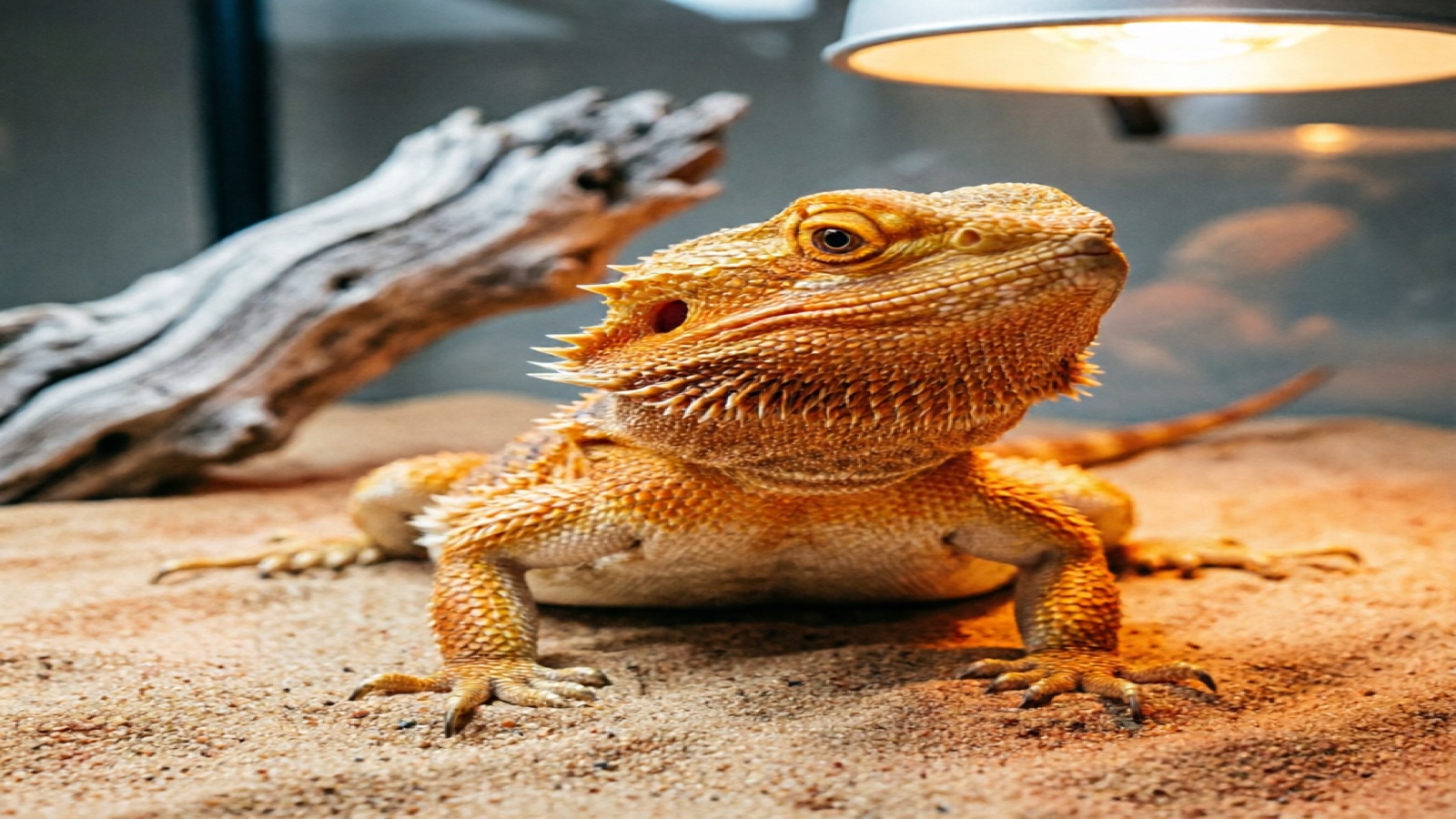
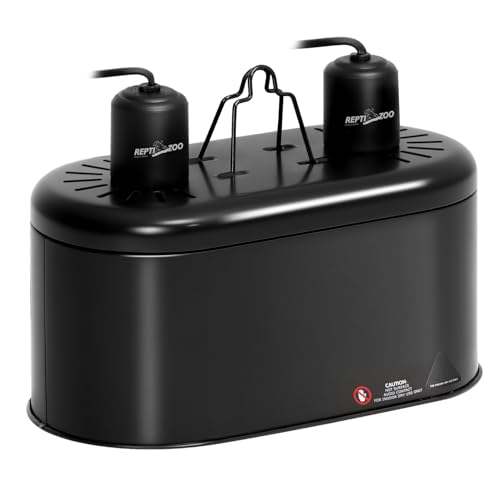
REPTI ZOO Dual Reptile Light Fixture is a quality option worth considering for your setup.
Six key factors determine how long your dragon lives and directly influence overall bearded dragon lifespan. Some are within your direct control, while others require vigilance and proactive care.
| Factor | Impact on Lifespan | Details |
|---|---|---|
| UVB Exposure | CRITICAL | Without UVB, dragons develop Metabolic Bone Disease within 6-12 months. MBD is the number one preventable cause of premature death. Replace UVB every 6 months |
| Diet Quality | HIGH | 80% plants, 20% insects for adults. Low calcium leads to MBD, kidney failure, and organ failure |
| Enclosure Size | HIGH | Minimum 4x2x2 feet for adults. Cramped enclosures cause chronic stress, reduced activity, and shorter lifespan |
| Temperature Gradient | HIGH | Basking 95-105°F, cool side 75-85°F. Improper temperatures slow digestion and weaken immunity |
| Veterinary Care | MODERATE | Annual fecal exams and prompt treatment for infections. Untreated adenovirus is a common killer |
| Reproductive Status | HIGH | Breeding females lose 2-4 years of lifespan on average. Egg-binding is a leading cause of sudden death |
Metabolic Bone Disease (MBD) is the single most common cause of premature death in captive bearded dragons. This condition causes softening and deformation of bones, paralysis, tremors, and eventually death.
MBD is entirely preventable with proper UVB lighting and calcium supplementation.
Warning: Metabolic Bone Disease (MBD) — A progressive, irreversible skeletal disorder caused by calcium deficiency and inadequate UVB exposure. MBD causes bone softening, deformity, spinal curvature, jaw paralysis, and tremors in bearded dragons ((Merck Veterinary Manual)). Without intervention, MBD becomes fatal within 6-12 months. Proper UVB lighting and calcium supplementation prevent MBD entirely.
UVB lighting is the single most important factor for skeletal health and longevity. See our UVB light guide for recommended setups.
Calcium and D3 supplementation prevents MBD from developing. See our supplements guide for proper dosing schedules by age.
Keepers who track their UVB replacement dates on a calendar have significantly fewer health problems than those who wait until the bulb visibly dims (Merck Veterinary Manual).
Bearded Dragon Lifespan by Life Stage
Many owners find that Leoterra Medium (M) works well for their pet’s needs.
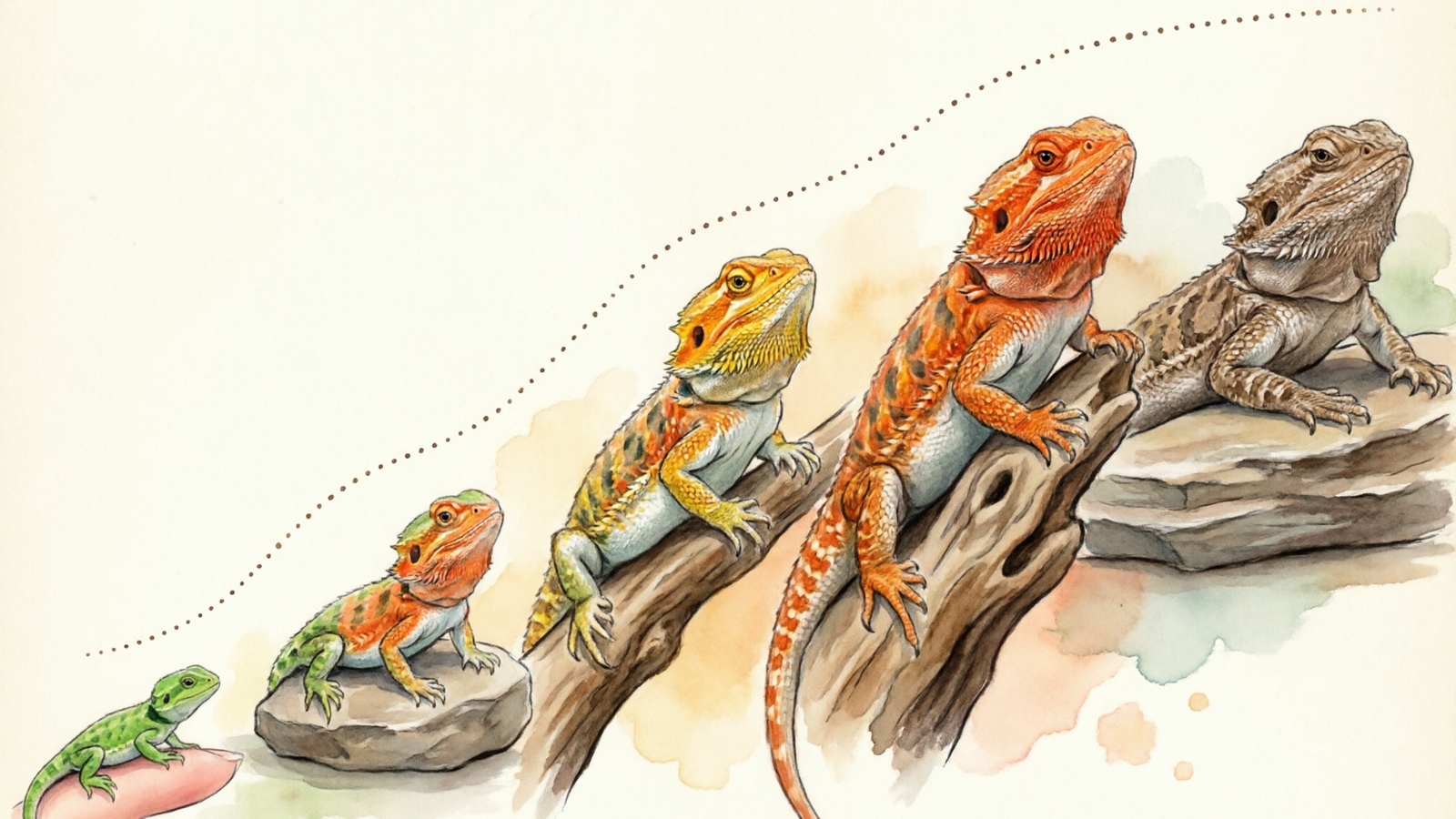
Care needs and health priorities shift throughout a dragon’s life. Each life stage of a bearded dragon has unique requirements that affect total bearded dragon lifespan. Understanding these stages helps you adjust husbandry as your pet ages.
| Life Stage | Age | Size | Feeding | UVB Needs | Health Focus |
|---|---|---|---|---|---|
| Hatchling | 0-3 months | 3-4 inches | 2-3x daily (80% insects) | 10.0 UVB, 10-12hr | Growth, calcium |
| Juvenile | 3-12 months | 4-16 inches | 2x daily (50/50 split) | 10.0 UVB, 10-12hr | Rapid growth |
| Sub-adult | 12-18 months | 16-20 inches | Daily (70% plants) | 10.0 UVB, 10-12hr | Bone density |
| Adult | 18 months-5 years | 18-24 inches | Daily (80% plants) | 10.0 UVB, 10-12hr | Weight management |
| Senior | 5+ years | 18-24 inches | Daily (90% plants) | 10.0 UVB, 10-12hr | Organ health |
Seniors often show reduced appetite and slower metabolism (VCA Hospitals). Transition to softer foods, smaller prey, and more frequent weigh-ins after age five.
Annual bloodwork at an exotic veterinarian is recommended for senior dragons ((Merck Veterinary Manual)). This catches kidney and liver problems early, when treatment is most effective.
Senior dragons respond well to routine — feeding, handling, and basking at consistent times each day reduces stress and supports appetite.
Diet quality changes significantly across life stages. See our food guide for age-appropriate feeding recommendations.
How to Tell a Bearded Dragon’s Age
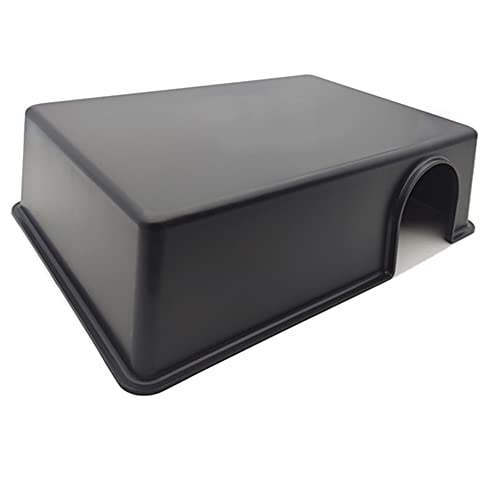
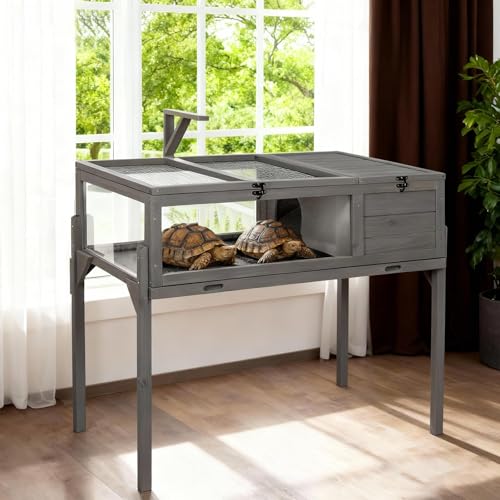
For this purpose, GEGURI Detachable Legs habitat is a popular choice among pet owners.
Determining how to tell bearded dragon age is imprecise at best. Knowing your dragon’s approximate age helps you anticipate care changes that can extend bearded dragon lifespan. No single method gives an exact answer, but combining several indicators provides a reasonable estimate.
Size is the least reliable method. Adults reach 18-24 inches by 18 months. After that, growth stops entirely. A 24-inch dragon could be 2 years old or 12 years old — size alone tells you nothing.
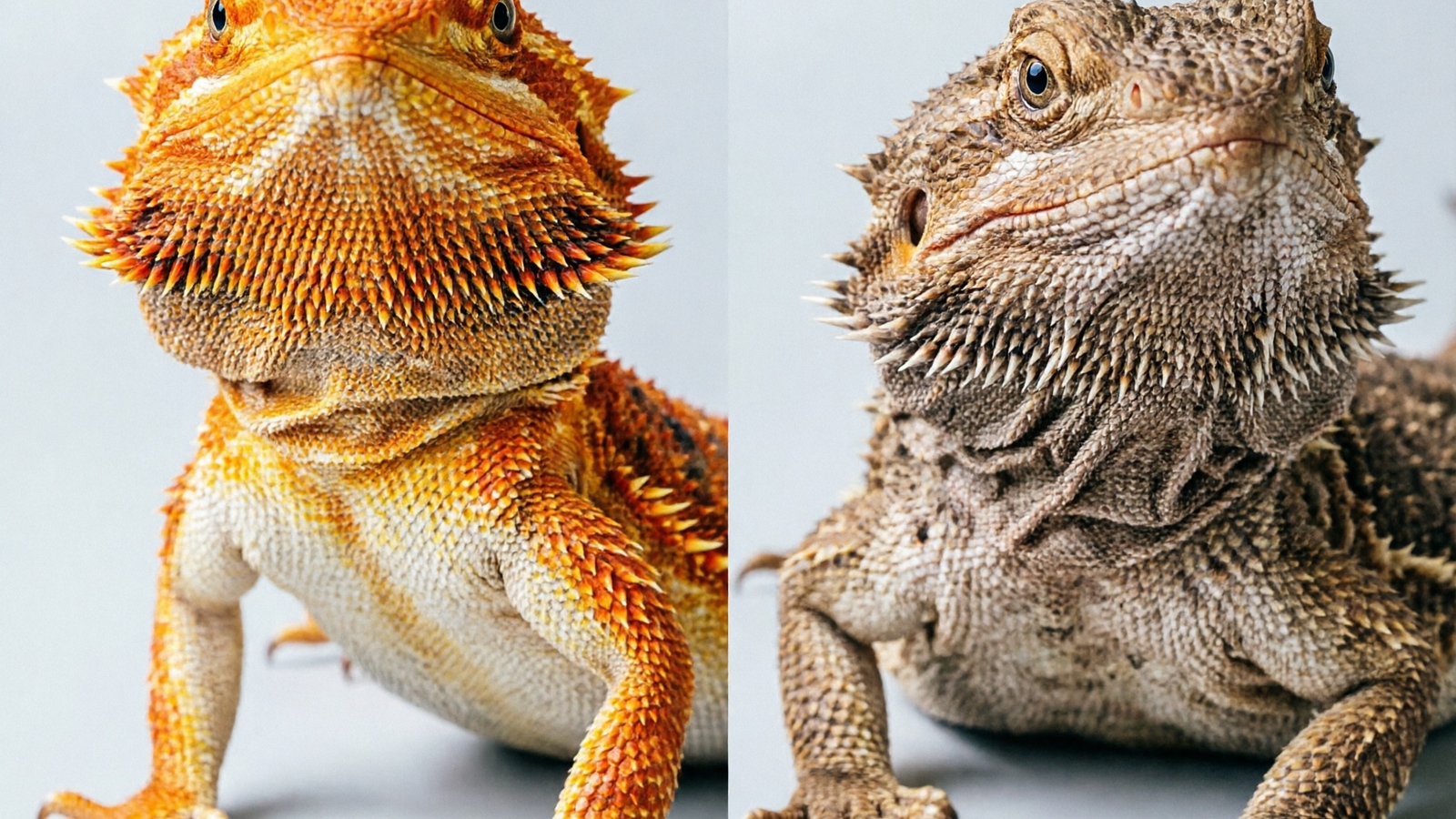
Coloration fades with age. Juveniles display brighter, more defined patterns. Adults gradually lose vibrancy, and very old dragons may appear washed out. However, coloration varies enormously by morph, so this is only useful when comparing dragons of the same morph.
Behavioral changes indicate maturity. Seniors become less active, bask more, hunt less, and may sleep more during the day. They also become more docile with handling over time.
Sexual maturity provides a minimum age. Males develop femoral pores and hemipenal bulges by 8-12 months. Females can produce infertile clutches by 10-14 months. Either indicator tells you the dragon is at least a sub-adult.
Physical signs of aging include scarring from past sheds, slight tail kinks, less elastic skin, and duller nail color. These are not precise indicators, but combined with behavioral changes they suggest senior status.
The most reliable way to know your bearded dragon age is to record the hatch date from the breeder at the time of purchase. For rescues or rehomed dragons with unknown histories, an exotic vet can estimate age through bone density scans and overall condition assessment.
Keep a health journal from day one. Recording weight, feeding habits, shed dates, and behavior changes creates a valuable baseline. This record helps your vet spot deviations that indicate aging or illness much earlier than visual inspection alone.
Common Causes of Premature Death
Most bearded dragons that die before reaching their expected lifespan are lost to preventable conditions. Avoiding premature death is the most impactful way to improve bearded dragon lifespan. Understanding these causes helps you avoid them.
| Cause | Prevention | Onset |
|---|---|---|
| Metabolic Bone Disease (MBD) | Proper UVB + calcium/D3 | 6-12 months without UVB |
| Impaction (intestinal blockage) | Safe substrate, proper hydration | Any age, especially juveniles |
| Egg-binding (dystocia) | Proper calcium, avoid early breeding | Breeding females |
| Respiratory infection | Proper temperature gradient | Any age, triggered by low temps |
| Adenovirus (AdV) | Quarantine new dragons 90 days | Fatal to juveniles |
| Parasites (pinworms, coccidia) | Annual fecal exams | Any age, stress-triggered |
| Thermal burns | Regulate basking to 95-105°F max | Any age |
| Dehydration | Fresh water daily, humidity 30-40% | Any age, especially juveniles |
Impaction is almost always preventable. It is caused by ingesting loose substrate such as sand, wood chips, or bark.
Warning: Impaction (Intestinal Obstruction) — Blockage of the digestive tract caused by ingesting loose substrate or oversized prey. Sand, walnut shells, and bark are the most common causes (VCA Hospitals). Impaction prevents nutrient absorption, causes intestinal prolapse, and is often fatal if not treated surgically. It is entirely preventable by using solid flooring (tile, paper towel, reptile carpet).
Never house bearded dragons on loose particulate substrate (VCA Hospitals). Use solid surfaces instead: ceramic tile, slate, reptile carpet, or paper towels.
Appetite loss can signal serious illness before other symptoms appear. See our not-eating troubleshooting guide for when to worry and when to wait.
Safe substrate choice directly prevents fatal impaction. See our substrate guide for recommended enclosure flooring options.
Adenovirus deserves special attention because it spreads silently through reptile collections.
Warning: Adenovirus (AdV) — A highly contagious viral infection that spreads silently through reptile collections. Infected dragons may shed the virus in feces for months while showing no symptoms ((Merck Veterinary Manual)). Adenovirus weakens the immune system and is frequently fatal to juveniles. New reptiles should be quarantined for a minimum 90 days before introduction.
Infected dragons may show no symptoms for months while shedding the virus in feces. Quarantine every new reptile for a full 90 days and never share feeding tongs, water dishes, or decor between enclosures.
Signs Your Bearded Dragon Is Aging
Recognizing the normal signs of aging helps you distinguish between natural decline and illness that needs veterinary attention. Senior care adjustments can add years to your bearded dragon lifespan.
Reduced appetite and slower metabolism are the most common changes. Seniors eat less and miss occasional meals. Missing one or two meals is normal for dragons over seven years old (Merck Veterinary Manual). Complete refusal for two or more weeks, however, warrants an immediate vet visit.
Decreased activity and more basking follow naturally. Older dragons spend more time under the heat lamp and less time exploring or climbing. Some stop running altogether and prefer calm, warm resting spots ((Merck Veterinary Manual)).
Shedding frequency decreases with age. Adults shed every 4-6 weeks. Seniors may stretch this to 6-8 weeks or longer. Incomplete sheds become more common as skin elasticity declines (Merck Veterinary Manual).
Coloration changes are normal aging. Patterns fade, skin may appear slightly duller or more wrinkled. This is not a sign of illness — it is natural pigment loss over time.
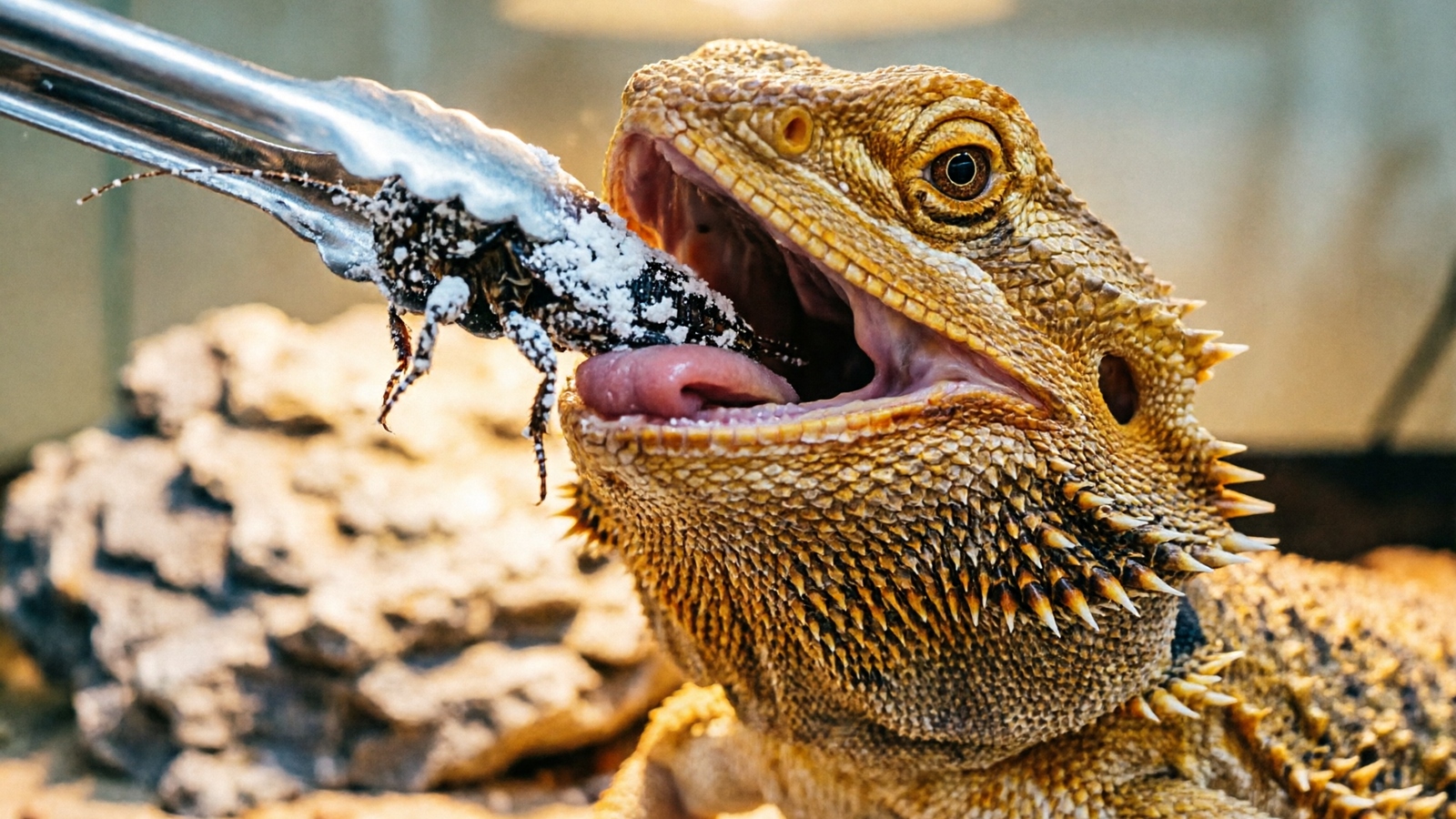
Vision changes affect hunting accuracy. Seniors may miss prey items they would have caught easily as younger animals. They often prefer hand-feeding over chasing crickets or roaches.
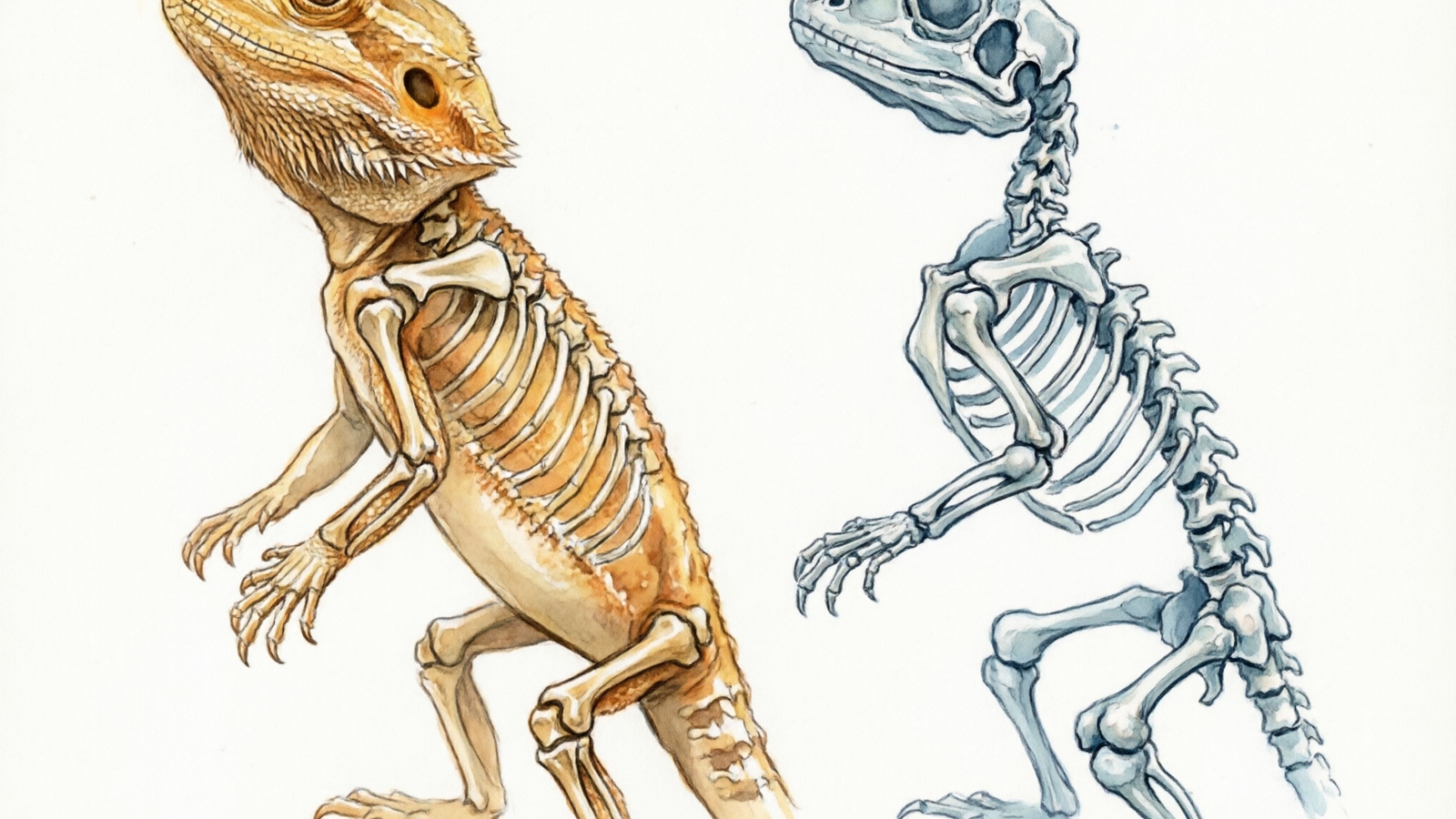
Shedding frequency and quality change with age. See our shedding guide for senior dragon care tips.
Senior dragons may brumate differently than younger adults. See our brumation guide for age-related changes to watch for.
Schedule a baseline vet visit around age five, even if your dragon appears healthy. Early bloodwork establishes normal values and catches problems you cannot see.
How to Maximize Your Bearded Dragon’s Lifespan
Understanding bearded dragon life expectancy is the first step — these action items address every major factor that influences bearded dragon lifespan. Following them consistently maximizes bearded dragon lifespan in captivity. Following them consistently gives your dragon the best chance at a long, healthy life.
Replace UVB bulb every 6 months. UVB output degrades long before the bulb burns out. Mark the replacement date on the fixture with tape. Use a Solarmeter 6.5 to verify output if available.
Provide calcium with D3 at every feeding for juveniles, 3-4 times per week for adults (Merck Veterinary Manual). Dust insects directly before feeding. Gut-load feeder insects with calcium-rich foods 24 hours before offering them.
Maintain proper temperature gradient. Basking spot 95-105°F, cool side 75-85°F. Use two digital probe thermometers — one at each zone. Check temperatures daily.
Feed a varied diet of leafy greens and insects. Collard greens, mustard greens, dandelion greens, and turnip greens should form the base ((Merck Veterinary Manual)). Offer dubia roaches, black soldier fly larvae, and crickets as protein sources. Avoid spinach and iceberg lettuce.
House adults in a minimum 4x2x2 foot enclosure. Bigger is always better. Upgrade enclosure size as your dragon grows. Chronic stress from cramped housing shortens lifespan.
Schedule annual veterinary check-ups. Fecal exams detect parasites, and physical exams assess organ health. Find a reptile-specialized exotic veterinarian rather than a general practice.
Provide fresh water daily. Dehydration damages kidney function over time (VCA Hospitals). Clean the water dish daily. Some dragons prefer dripping water or gentle misting over a standing dish.
Avoid loose substrate entirely. Tile, paper towel, or reptile carpet are the only safe options for bearded dragons. Sand and particulate substrates cause impaction, which is a leading cause of preventable death.
Quarantine new reptiles for 90 days. Adenovirus and other pathogens transmit between reptiles through shared supplies and proximity. Never introduce a new dragon without a proper quarantine period.
Consider spaying females that repeatedly produce infertile clutches. Chronic egg production depletes calcium and shortens female lifespan. Consult your exotic veterinarian about whether spaying is appropriate for your dragon ((Merck Veterinary Manual)).
Monitor weight monthly after age five. Gradual weight loss in seniors often indicates kidney disease or organ dysfunction before visible symptoms appear. A kitchen scale accurate to one gram works well for tracking trends over time (Merck Veterinary Manual).
Signs of a Healthy vs Unhealthy Bearded Dragon
Regular health checks catch problems early. Use this checklist during weekly inspections — any item that persists for more than two weeks warrants a veterinary visit.
Normal signs :
- Eyes bright and alert — fully open, clear, no swelling or discharge
- Appetite consistent with age — adults eat daily, seniors may skip 1-2 meals per week
- Skin smooth with regular sheds — complete sheds every 4-6 weeks (adults), 6-8 weeks (seniors)
- Activity level appropriate for age — active basking, climbing, and hunting behaviors
- Basking behavior normal — spends time under heat lamp but also explores the cool side
- Weight stable — no sudden loss or gain; track monthly with a kitchen scale
Warning signs :
- Swollen or sunken eyes — indicates dehydration, infection, or vitamin A deficiency
- Soft or rubbery jaw and limbs — advanced MBD, requires immediate veterinary treatment ((Merck Veterinary Manual))
- Limping, dragging limbs, or paralysis — severe MBD or spinal injury, emergency
- Discolored or foul-smelling stool — parasitic infection, requires fecal exam (VCA Hospitals)
- Labored breathing or mouth breathing — respiratory infection, often triggered by improper temperatures
- Persistent refusal to eat for 2+ weeks — can indicate organ failure, impaction, or adenovirus
Lifespan and Longevity FAQ
What is the average life expectancy of a pet bearded dragon?
Bearded dragons typically live 8-15 years in captivity with proper care. The record for the longest-living bearded dragon is approximately 18 years.
With optimal UVB lighting, proper diet, adequate enclosure size, and regular veterinary care, many dragons live 12-15 years. Males generally outlive females by 3-5 years due to the physical toll of egg production.
What is the longest a bearded dragon has ever lived?
The oldest verified bearded dragon lived approximately 18-19 years. Several dragons in Australia and the United States have been documented living 16-18 years.
These record-holders all had consistent UVB access, varied diets with proper calcium supplementation, large enclosures, and regular veterinary care throughout their lives.
Do male or female bearded dragons live longer?
Males typically live 8-12 years while females live 5-8 years. The difference is primarily caused by reproductive strain.
Females produce eggs even without mating, which depletes calcium reserves and causes physical stress. Egg-binding is a leading cause of death in females. Spaying can extend lifespan in chronic egg-layers.
How long do wild bearded dragons survive in nature?
Wild bearded dragons live approximately 5-8 years. This is significantly shorter than captive dragons, who benefit from consistent food, safe enclosures, and veterinary care.
Predation, parasites, disease, and inconsistent food supply all contribute to the shorter wild lifespan. Despite harsher conditions, wild dragons maintain strong bone density from natural sunlight — something captive dragons only achieve with proper UVB supplementation.