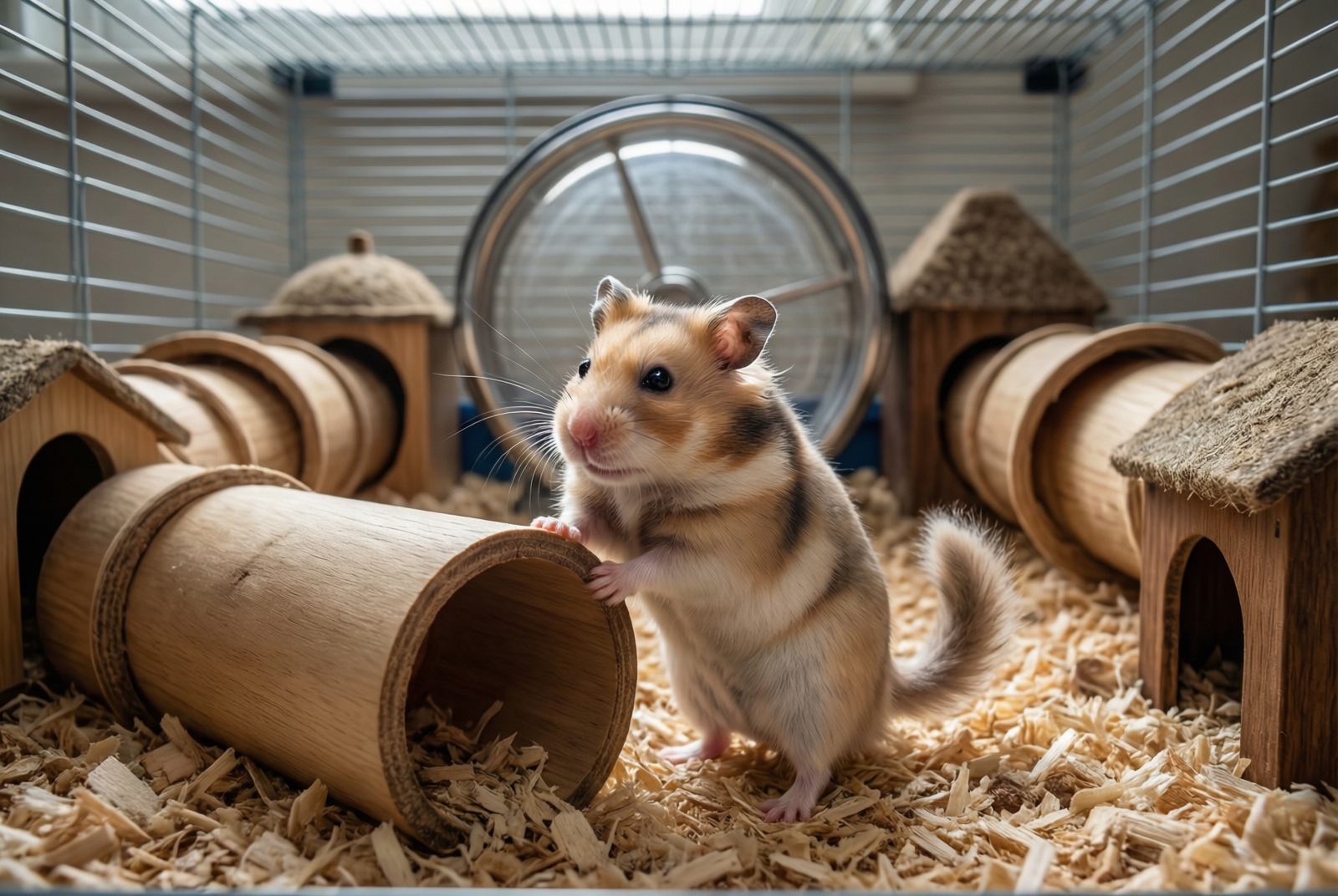
Dinosaur-themed hamster cages bring personality and fun to small pet keeping. Whether your child wants a prehistoric palace or you just appreciate the aesthetic, there are more options than ever for creating a dinosaur habitat your hamster will actually enjoy living in.
But here’s the thing most guides won’t tell you: many “themed” cages on the market prioritize looks over hamster welfare. The cages that look cutest in photos are often the ones that are too small, poorly ventilated, or loaded with accessories that hamsters chew apart within days.
This guide covers the best dinosaur hamster cage options, which themed products are actually worth buying, and how to build a dinosaur setup that’s both visually fun and genuinely good for your hamster.
What Makes a Good Dinosaur Hamster Cage?
Before jumping into specific products, it helps to understand what separates a genuinely good themed cage from one that just looks good on a shelf.
Size Is Non-Negotiable
No matter how cool the dinosaur theme looks, the cage must meet minimum size requirements. Hamsters are active animals that run 3–5 miles per night in the wild. A cage that’s too small causes stress, bar-biting, and repetitive pacing — all signs of an unhappy animal.
The absolute minimum floor space is 450 square inches of continuous unbroken floor for Syrian hamsters and 360 square inches for dwarf species. Many veterinarians and welfare organizations now recommend 600+ square inches as a more appropriate minimum. For a full breakdown by species, see our best hamster cage guide.
Themed cages often sacrifice floor space for height or decorative elements. A tall cage with multiple levels might look impressive, but hamsters are ground-dwelling animals that need horizontal space more than vertical climbing room.
Safety Considerations for Themed Accessories
Dinosaur decorations introduce specific safety concerns:
- Bar spacing: Must be ½ inch or less for dwarf hamsters, ¾ inch or less for Syrians. Many themed cages have wider spacing.
- Chew hazards: Soft plastic dinosaur tails, spikes, or appendages can be chewed off and ingested. Hard ceramic or solid resin is safer.
- Paint and coatings: Ensure all decorations use non-toxic, pet-safe paints. Budget themed cages sometimes cut corners here.
- Ventilation: Aquarium-style themed cages with limited airflow can cause respiratory issues. Wire-top designs with solid bases are safer.
- Escape routes: Decorative openings or loose-fitting accessories can create gaps your hamster will find.
Top Dinosaur Hamster Cage Options
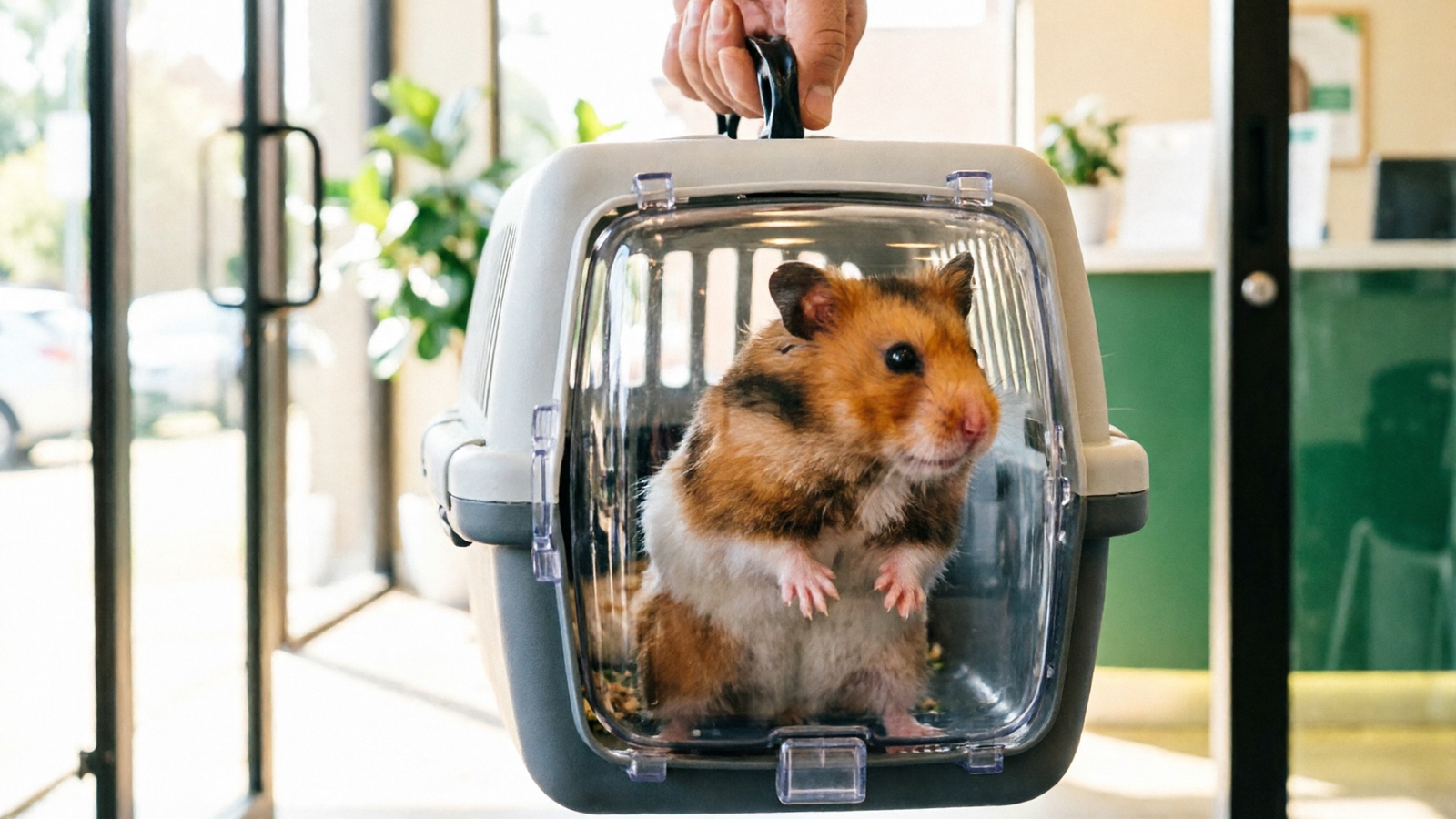
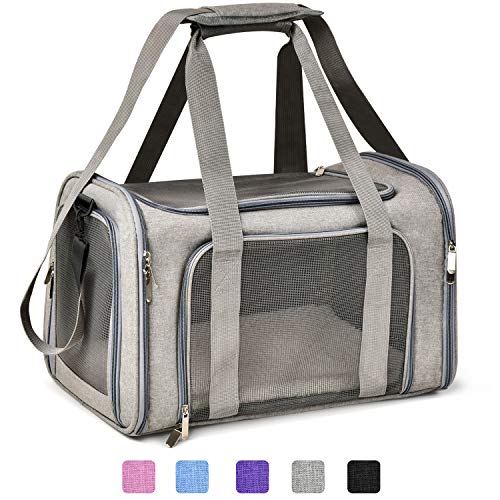
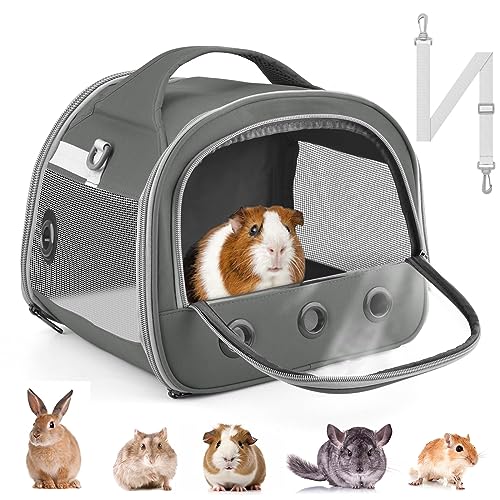
Living World Carrier Large is a quality option worth considering for your setup.
Kaytee Tiny Tales Dinosaur Land Habitat
The most well-known dinosaur hamster cage on the market. Kaytee’s Tiny Tales line is designed to make small pet keeping visually appealing for kids.
Specs: 19.5”L × 12.5”W × 15.75”H (approximately 244 square inches of floor space)
What’s included: Volcano-themed water bottle, dinosaur hideout, food dish, climbing ramp, and decorative stickers.
The good: The theme is well-executed — kids love the volcano water bottle and the dinosaur hide. The included accessories mean you get a complete setup out of one box. The wire top provides decent ventilation.
The concern: At 244 square inches, this cage falls well below the 450-square-inch minimum. The included wheel is also too small for Syrian hamsters (8-inch minimum needed). This cage works best for a dwarf hamster as a supplemental play area rather than a full-time home, or you should connect it to a larger enclosure using tube attachments.
Best for: Dwarf hamsters in a connected setup, or as a themed play area attached to a properly sized bin cage.
DIY Dinosaur Theme on a Quality Cage
Often the best approach: buy a properly sized cage first, then add dinosaur accessories separately. This ensures your hamster gets adequate space while still achieving the prehistoric look.
Start with one of these base cages:
- A 40-gallon breeder tank (36” × 18” = 648 sq inches) — the gold standard for hamster housing
- A large wire cage with a deep plastic base (look for 30”+ length)
- A DIY bin cage — the most cost-effective way to get 600+ square inches
Then add dinosaur elements:
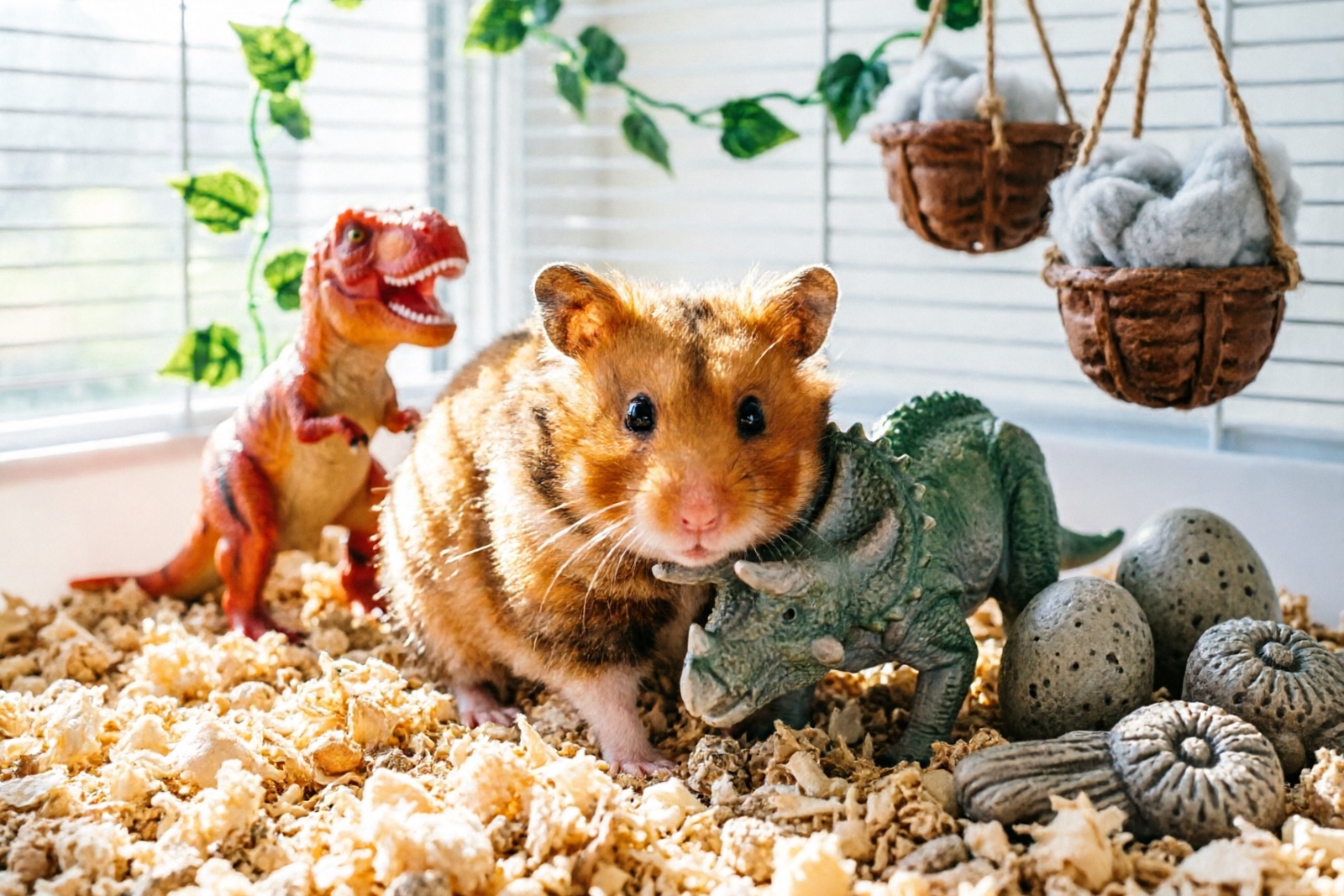
- Ceramic dinosaur hides — available on Etsy and Amazon, these are chew-proof and come in T-Rex, triceratops, and stegosaurus designs
- Dinosaur-themed bedding in earthy browns and greens
- Volcano-shaped cork logs — natural, chewable, and fit the theme
- Mini dinosaur figures — use only solid, hard plastic figures without paint that chips
This approach costs roughly the same as a themed cage but gives your hamster significantly more space.
IKEA Detolf Dinosaur Setup
The IKEA Detolf has become a favorite among hamster enthusiasts for good reason. At 16” × 37” (592 sq inches), it provides near-ideal floor space at a fraction of the cost of specialty enclosures.
The glass construction means you can create elaborate dinosaur dioramas visible from all angles. Place ceramic dinosaur skulls at different levels, use brown and green paper bedding to create a “prehistoric forest” floor, and add a background mural of volcanoes and jungle.
Important: The Detolf is only 15” tall, so you’ll need a custom wire lid for ventilation and to prevent escapes. It also needs a secure stand or support — the glass is heavy.
Essential Dinosaur Hamster Accessories
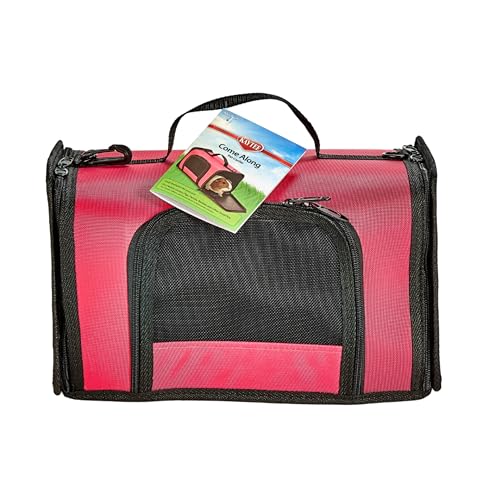
Many owners find that Trixie Pico Transport Crate works well for their pet’s needs.
Once you have the cage sorted, these accessories complete the theme while serving real functional purposes.
Dinosaur Hides and Shelters
Every hamster needs at least 2–3 hides — one main sleeping hide, one in a different temperature zone, and a sand bath area. For a dinosaur theme:
- Ceramic dinosaur skull hides — The most popular choice. Solid ceramic is temperature-stable, chew-proof, and easy to clean. Look for ones with smooth edges and adequate interior space (at least 3” diameter opening for Syrians).
- Cork log “fossil logs” — Natural cork bark looks like ancient wood and doubles as a chew toy. Hamsters love gnawing on cork, and it’s completely safe.
- Coconut shell “dinosaur eggs” — Half coconut shells with a small entrance hole look like hatched dinosaur eggs and provide a dark, secure sleeping spot.
Bedding and Substrate
Layering different bedding types creates visual depth for your dinosaur theme:
- Base layer: 6+ inches of paper bedding in natural brown or tan — this represents the prehistoric earth and gives your hamster room to burrow. Our bedding guide covers the safest options.
- Accent layer: Sprinkle green-tinted paper bedding on top to simulate prehistoric moss or jungle floor.
- Sand bath area: Use a ceramic dish filled with hamster-safe sand (not dust) in one corner. This mimics a desert area in your prehistoric landscape and encourages natural grooming behavior.
Never use dyed wood shavings or scented bedding — these can cause respiratory issues in hamsters.
Dinosaur-Themed Wheels and Toys
Your hamster’s wheel is the most important item in the cage. Don’t sacrifice wheel quality for theme:
- Get a properly sized silent wheel first (8”+ for Syrians, 6.5”+ for dwarfs)
- You can place dinosaur figurines around the wheel stand (not inside the running surface)
- Avoid wheels with decorative paint inside the running track — the constant friction wears paint into flakes
For toys and enrichment, natural items work best with the dinosaur theme: cork tunnels, willow balls, and dig boxes filled with coconut fiber all look organic and prehistoric while being completely safe for chewing.
Setting Up Your Dinosaur Hamster Cage
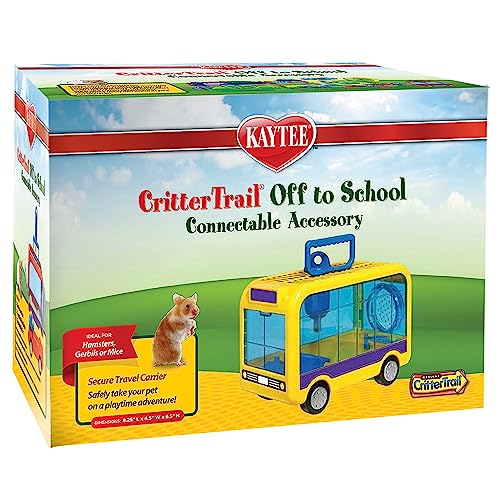
For this purpose, Kaytee CritterTrail Off To School is a popular choice among pet owners.
Here’s a step-by-step approach to building a themed setup that’s good for your hamster.
Step 1: Start With the Right Cage
Choose a cage that meets minimum size requirements first. If you’re using the Kaytee Tiny Tales cage, connect it to a larger enclosure via tubes or use it only as a supervised play area. For permanent housing, the DIY or tank approach described above is better.
Step 2: Add Deep Bedding
Fill the base with at least 6 inches of paper bedding. Hamsters are natural burrowers, and shallow bedding prevents this core behavior. Create hills and valleys in the bedding to add visual interest to your prehistoric landscape.
Step 3: Place the Essentials
Position these items before adding decorative elements:
- Wheel — flat on the floor, not on a platform
- Water bottle — mounted on the side, low enough to reach but high enough to keep bedding out
- Sand bath — in a ceramic dish, away from the sleeping area
- Main hide — placed where your hamster can retreat from light and noise
- Food dish — small ceramic dish, away from the bathroom corner
Step 4: Add Dinosaur Decorations
Now layer in the themed elements:
- Place 2–3 ceramic dinosaur hides at different locations
- Add cork bark pieces as “fossil logs” for climbing and chewing
- Position a few solid plastic dinosaur figures on the surface (monitor for chewing)
- Create a “volcanic rock” area using smooth stones around the sand bath
- Add a background poster or printed dinosaur scene behind the tank
Step 5: Create a Dig Zone
Hamsters love to dig. Create a dedicated digging area by sectioning off one corner with a acrylic barrier and filling it with a mix of coco coir, moss, and paper bedding. Bury a few hamster-safe treats inside to encourage natural foraging.
Dinosaur Cage Theme Ideas by Era
If you want to go beyond basic dinosaur decorations, here are themed setups inspired by different prehistoric periods:
Jurassic Jungle Theme
Use lush green bedding, multiple cork bark pieces arranged as “ancient trees,” and fern-like silk plants (secured so your hamster cannot pull them into the bedding). Add a large ceramic T-Rex skull as the main hide and smaller raptor figures around the perimeter. A dark background with jungle imagery completes the look.
Volcanic Landscape Theme
Layer red, orange, and brown bedding to create a volcanic terrain. Use smooth dark stones around the sand bath area to simulate cooled lava rock. Place a ceramic volcano hide (available from several Etsy sellers) as the centerpiece. This theme pairs well with warm-toned lighting in the room.
Fossil Discovery Theme
Create a “dig site” by partially burying ceramic dinosaur bones and skulls in the deep bedding area. Use tan and cream-colored bedding to simulate sand and sediment. Add a small magnifying glass outside the cage (for the human viewer) and label the different zones with small signs — fun for kids while keeping the hamster’s space functional.
Maintaining Your Dinosaur Setup
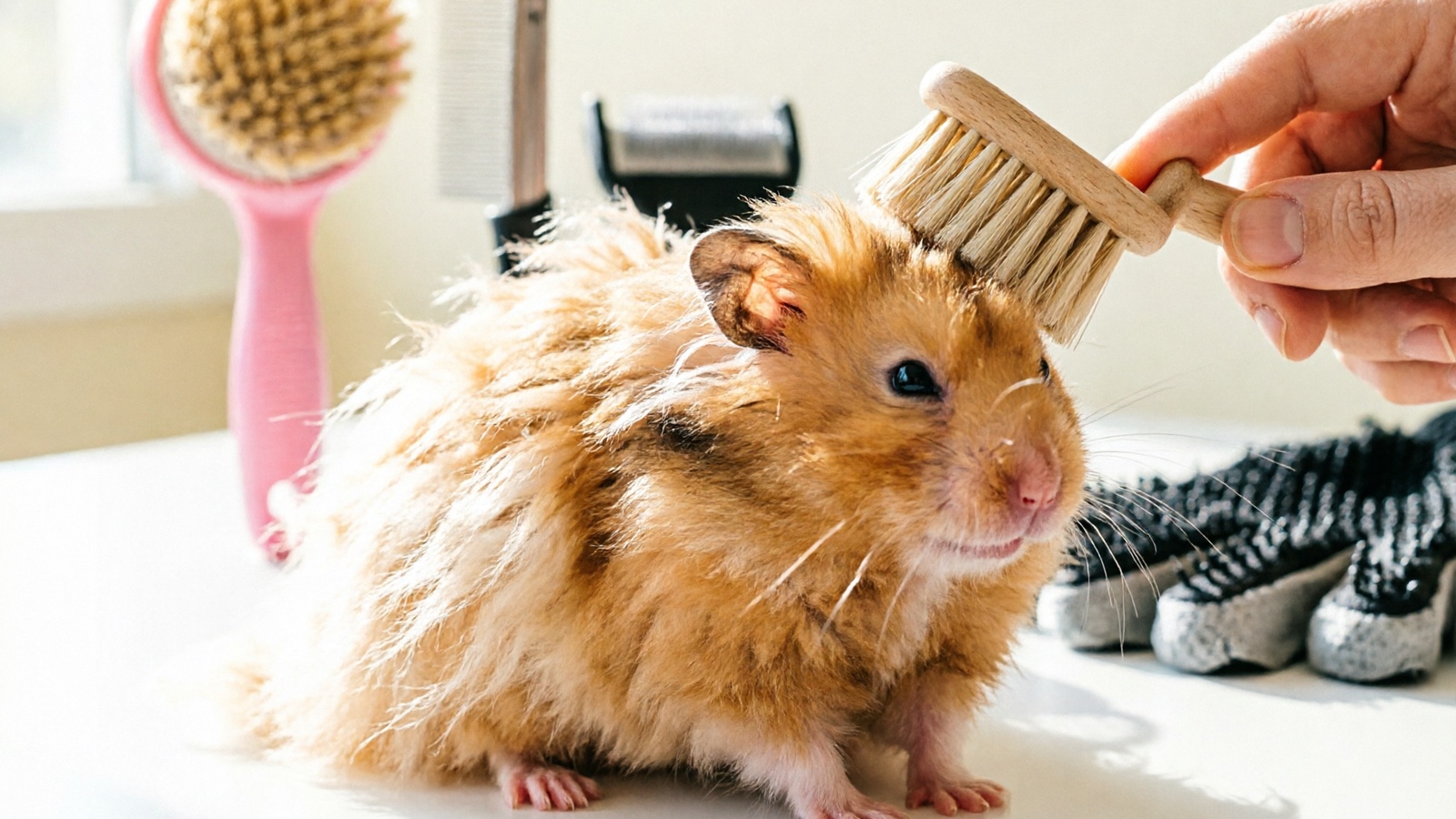
Themed cages need the same maintenance routine as any hamster enclosure. The decorative elements add a few extra considerations:
- Clean ceramic hides weekly — food stashes and waste accumulate inside. Run ceramic items under hot water and scrub with a pet-safe brush. Avoid soap residue.
- Rotate decorations monthly — move hides and accessories to different positions to prevent your hamster from getting bored. Novelty encourages exploration.
- Inspect plastic items regularly — check for chew marks, cracks, or loose paint. Remove any damaged items immediately.
- Replace bedding fully every 4–6 weeks — spot clean daily, but do a full substrate change monthly to prevent ammonia buildup. Deep clean the entire cage with a pet-safe disinfectant.
- Monitor for escape attempts — themed setups sometimes create unexpected gaps or climbing opportunities. Check that all decorations sit flat and cannot be used as ladders to the cage top.
For detailed cleaning instructions, see our guide on how to clean a hamster cage.
Common Mistakes to Avoid
Choosing a Cage That’s Too Small
This is the single biggest mistake with themed cages. Manufacturers design themed products to be eye-catching on store shelves, not necessarily to meet animal welfare standards. A cute dinosaur cage that’s only 200 square inches will cause your hamster chronic stress.
If you’re on a budget, a DIY bin cage with dinosaur decorations gives you 3× the space for the same price as a small themed cage.
Using Toxic Decorations
Not all dinosaur toys are pet-safe. Many mass-produced dinosaur figures use paints and plastics that are safe for children to handle but toxic if ingested — which is exactly what a hamster will try to do. Stick to:
- Ceramic items (food-safe glaze)
- Natural cork bark
- Hard, solid plastic without chipping paint
- Untreated wood
Overcrowding the Cage
It’s tempting to fill every inch with dinosaur accessories, but hamsters need open floor space to run and explore. Keep at least 50% of the floor area clear of objects. The decorations should enhance the space, not consume it.
Ignoring Temperature and Ventilation
Themed cages with solid walls or enclosed plastic sections can trap heat and reduce airflow. Hamsters need temperatures between 65–75°F and good ventilation. If you’re using an aquarium-style setup for the diorama effect, ensure you have a wire mesh lid.
Dinosaur Cage Setup Cost Breakdown
| Item | Budget Option | Premium Option |
|---|---|---|
| Cage/base | DIY bin cage: $20–30 | 40-gal breeder tank: $50–80 |
| Wheel | Silent Spinner 6.5”: $10 | Wodent Wheel or NiteAngel: $15–25 |
| Hides | Coconut shells: $8–12 | Ceramic dinosaur skulls: $15–25 each |
| Bedding | Paper bedding: $10–15 | Layered theme bedding: $15–20 |
| Decorations | Cork bark + mini figures: $10 | Full diorama setup: $20–40 |
| Total | $58–89 | $115–190 |
For comparison, the Kaytee Tiny Tales Dinosaur cage retails for $35–50 but requires an additional larger enclosure to meet minimum size standards, bringing the real total to $75–100+.
Product Recommendations
Here are some products mentioned in this guide:
Frequently Asked Questions
Are dinosaur hamster cages safe?
Yes, when properly sized. The main safety concerns are bar spacing (should be ½ inch or less for dwarf hamsters), ventilation, and ensuring any decorative elements are non-toxic and securely attached. Always prioritize cage size and safety over theme.
What is the Tiny Tales Dinosaur hamster cage?
The Tiny Tales Dinosaur cage is a themed wire cage by Kaytee featuring dinosaur decorations, a volcano water bottle, and prehistoric accessories. It’s designed for hamsters but the base model is only 19.5 × 12.5 inches (244 sq inches), which is below the recommended minimum of 450 square inches of unbroken floor space.
Can I decorate a regular cage with a dinosaur theme?
Absolutely. In fact, this is often the better approach. Start with a properly sized cage (at least 450 square inches), then add dinosaur-themed hides, ceramic accessories, and safe decorations. This gives your hamster adequate space plus the fun theme.
What size cage does a hamster need?
The minimum recommended cage size is 450 square inches of continuous floor space for Syrian hamsters and 360 square inches for dwarf hamsters. Many hamster welfare organizations now recommend even larger — 600+ square inches. See our best hamster cage guide for species-specific recommendations.
Are plastic dinosaur decorations safe for hamsters?
Hard, solid plastic decorations without small removable parts are generally safe. Avoid soft or brittle plastics that hamsters can chew into sharp pieces. Ceramic dinosaur hides are the safest option since they cannot be chewed or ingested.