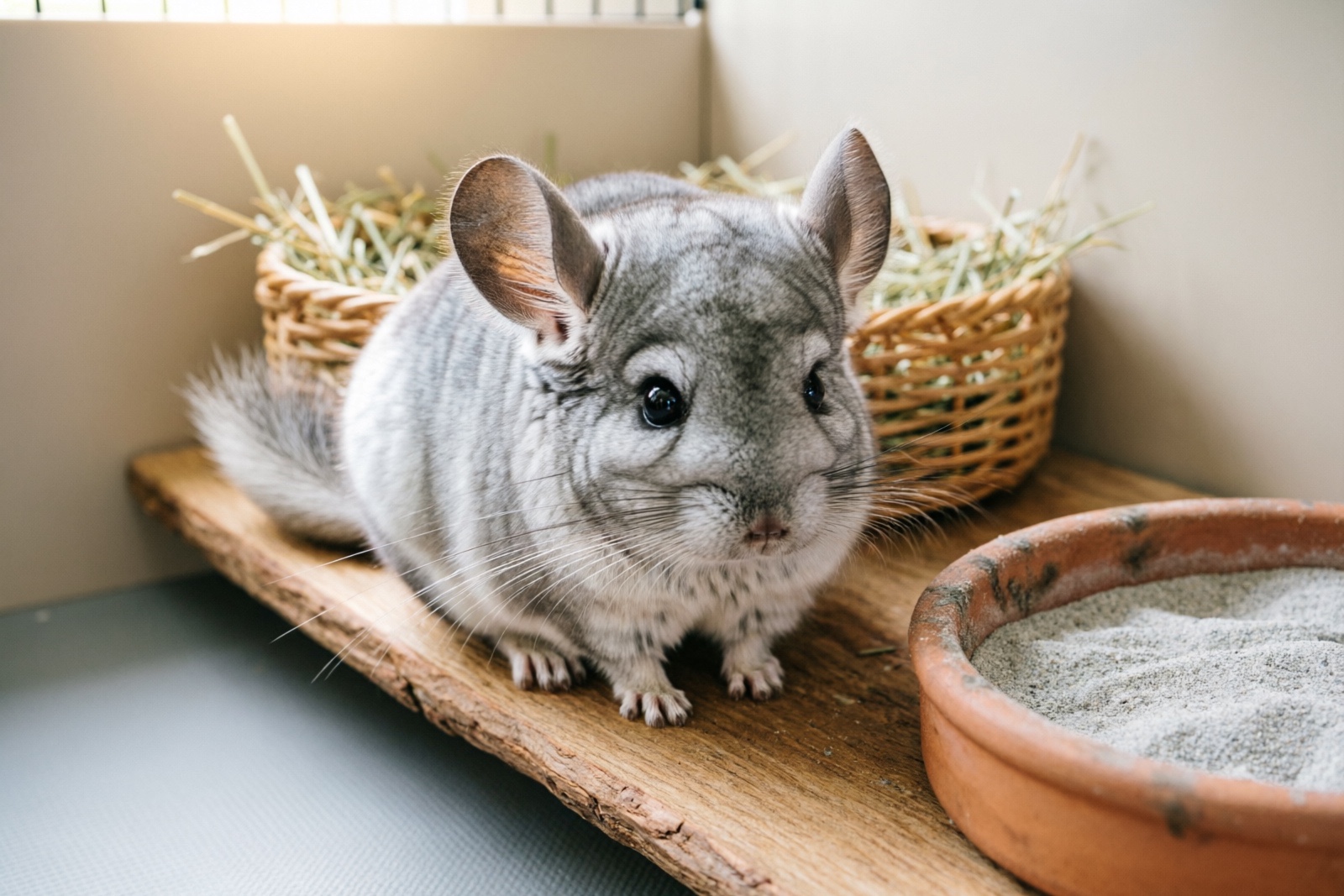
Cage and Habitat
A proper cage is the single biggest investment you will make for your chinchilla. These animals are active jumpers and climbers, so a tall, multi-level wire cage with a minimum footprint of 3 ft × 2 ft and a height of at least 3 ft is the baseline. A good cage setup includes multiple solid shelves or platforms — not wire flooring, which can cause a painful foot condition called bumblefoot.
Choose safe bedding materials such as kiln-dried pine shavings, aspen, or fleece liners. Cedar shavings and untreated pine release volatile oils that irritate the respiratory tract and can lead to chronic health problems over time. Fleece liners are a popular reusable option: shake off debris daily and wash them weekly with fragrance-free detergent.
Cage placement matters as much as the cage itself. Position the enclosure in a cool, well-ventilated room away from windows, radiators, and exterior walls that heat up in summer. Chinchillas are sensitive to noise and sudden movement, so avoid high-traffic areas like hallways or rooms with loud televisions. A quiet spare bedroom or home office often works well.
Equip the cage with a hide house (wood or ceramic), a hay rack, a water bottle mounted on the outside with a metal sipper tube, a food bowl, and a separate dust bath container that you place in the cage only during bath time. Remove the dust bath after each session to prevent the chinchilla from using it as a litter box or over-bathing, which dries out the skin.
Diet and Nutrition
Kaytee Timothy 48oz is a quality option worth considering for your setup.
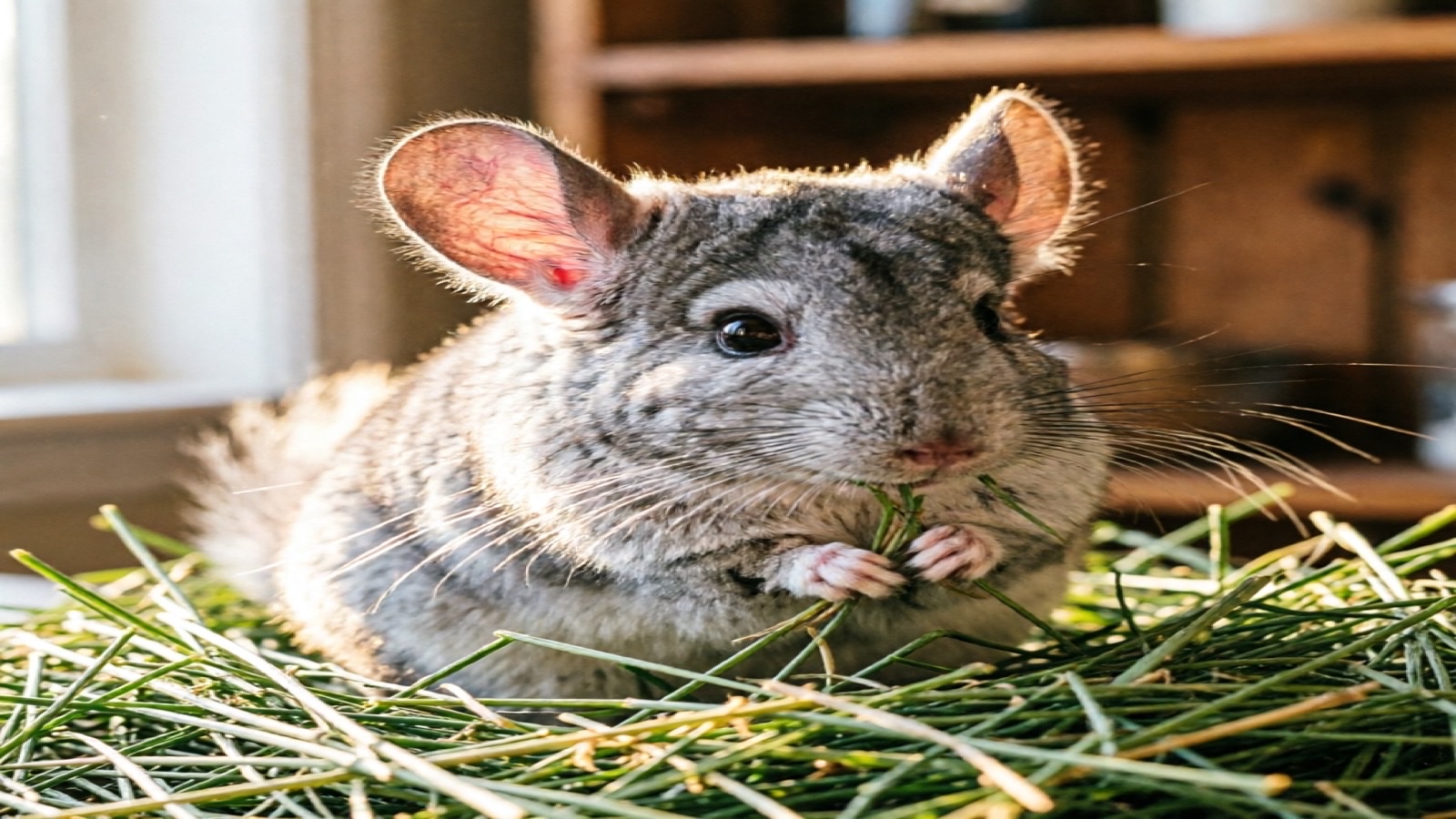
Chinchillas are strict herbivores with a digestive system built for roughage. The foundation of their diet — roughly 70% of daily intake — is unlimited grass hay. Timothy hay is the gold standard for adults because it provides the right balance of fiber and calcium. Orchard grass or botanical hay make good occasional variety. Alfalfa hay is too rich in calcium and protein for adult chinchillas and should be reserved for growing kits under six months or pregnant females.
Offer 1–2 tablespoons of plain, chinchilla-formulated pellets per day. Avoid mixes that contain seeds, dried fruit, or colored pieces — chinchillas pick out the treats and leave the nutritious parts, leading to nutritional imbalances and obesity. Pellets should be plain and greenish-gray, nothing more.
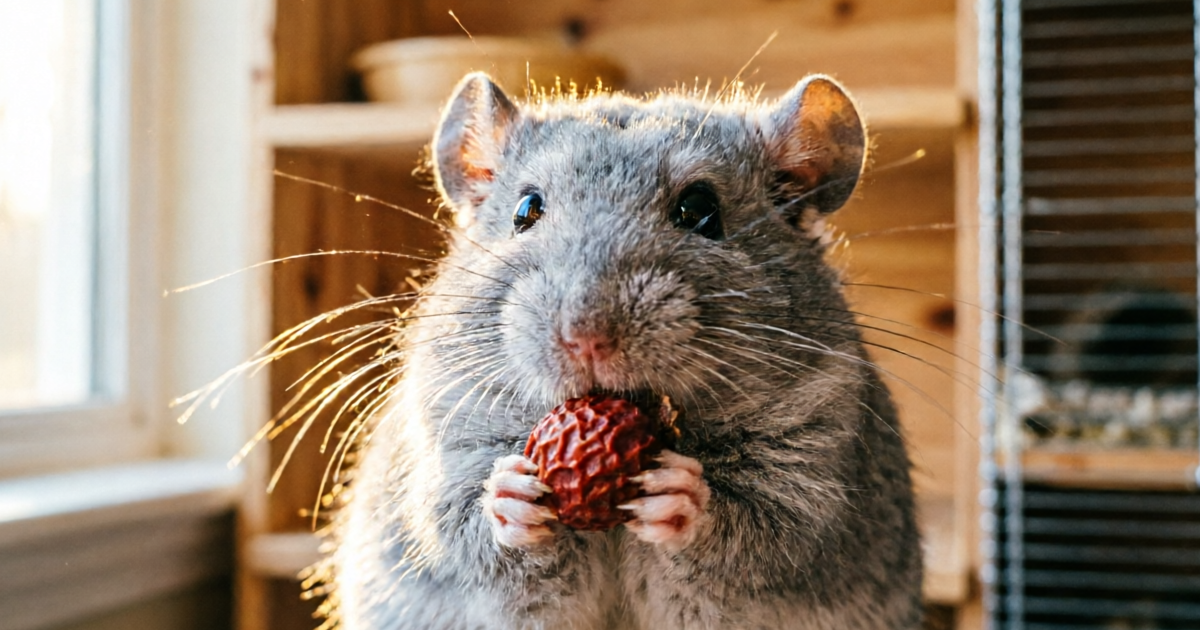
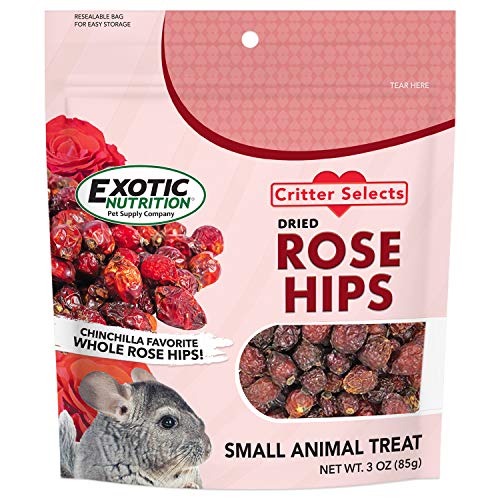
Treats should be just that: rare. One or two small pieces of dried rose hips, plain oats, or a single shred of unsweetened shredded wheat, no more than two or three times per week. While chinchillas can eat apples in tiny amounts, the sugar content makes fresh fruit a poor regular choice. The same applies to bananas and blueberries — offer them sparingly, if at all. Never give chocolate, dairy, processed human food, or anything containing added sugar.
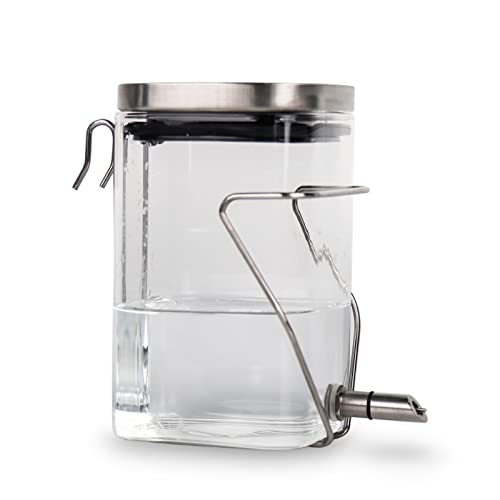
Fresh water must be available at all times. Use a glass water bottle rather than plastic, which can develop bacteria-harboring scratches. Change the water daily and check that the sipper tube is flowing freely. A chinchilla that goes without water for even 12 hours is at risk of kidney strain and GI stasis.
Temperature Control
Many owners find that HardcorePet Chew-Proof Glass 20.2oz works well for their pet’s needs.
Chinchillas evolved in the cool, dry Andes mountains, and their dense fur — up to 80 hairs per follicle — makes them extremely vulnerable to heat. The safe temperature range is 60–70°F (16–21°C). Anything above 75°F (24°C) is dangerous, and sustained temperatures above 80°F (27°C) can be fatal within hours, even with low humidity.
If you live in a climate with hot summers, air conditioning is not optional — it is a survival requirement. A portable AC unit dedicated to the chinchilla room is common among owners who lack central air. Fans alone do not lower air temperature; they only circulate it. Since chinchillas do not sweat, a fan blowing warm air over their fur provides almost no cooling benefit. You can use frozen granite slabs or ceramic tiles placed in the cage as cool resting spots, but these are supplements to air conditioning, not replacements.
Watch for heatstroke signs year-round, not just in summer: red or flushed ears, lethargy, drooling, rapid or labored breathing, and lying flat against a cool surface. If you see any of these, move the chinchilla to a cool room immediately, place a cool (not cold) damp cloth on the ears, and contact an exotic vet. Do not submerge the animal in water — the dense fur traps moisture and can make things worse.
Monitor the room with a digital thermometer placed at cage level, not on a wall five feet up. Temperature near the ceiling can be several degrees higher than where your chinchilla actually sleeps.
Dust Baths and Grooming
For this purpose, Exotic Nutrition Rose Hips is a popular choice among pet owners.
Chinchillas cannot get wet. Their fur is so dense that water gets trapped against the skin, creating a breeding ground for bacterial and fungal infections. Instead of water baths, chinchillas clean themselves by rolling in fine volcanic ash dust, which absorbs oils and keeps their coat soft and clean.
Offer a dust bath two to three times per week for 10–15 minutes per session. Use a dedicated dust bath powder made from blue cloud or silver cloud volcanic ash — not play sand, which is too coarse and can scratch the skin. A deep, stable container like a large glass fishbowl or a plastic dust bath house works well. The container needs to be big enough for the chinchilla to flip and roll freely.
Leave the dust bath in the cage only during bath time. Over-bathing dries out the skin and causes flaking and irritation. In humid climates, you may want to offer baths slightly more often; in dry winter months, reduce frequency to twice per week.
For grooming beyond dust baths, a metal flea comb with fine teeth helps remove loose fur during seasonal coat blows, which happen once or twice a year. Gently comb in the direction the fur grows. Never clip or shave a chinchilla’s fur unless a vet directs you to do so for a medical procedure. Keep nails trimmed with small animal clippers every few months — chinchilla nails grow slowly, and over-trimming can cause bleeding.
Exercise and Enrichment
Chinchillas are crepuscular, meaning they are most active at dawn and dusk. Daily out-of-cage exercise in a chinchilla-proofed room is essential for physical health and mental well-being. Aim for at least 30–60 minutes of supervised playtime each evening in a safe, enclosed space.
Chinchilla-proofing a room requires real effort. Block off gaps behind appliances and under doors — chinchillas can squeeze through spaces as narrow as 1.5 inches. Cover electrical cords with split-loom tubing or PVC pipe. Remove houseplants, many of which are toxic. Keep toilet lids closed and bathroom doors shut; a chinchilla that falls into a toilet will not survive. Block access to reclining furniture, where a chinchilla can be crushed.
Inside the cage, provide a rotation of safe chew toys made from kiln-dried pine, apple wood, pumice stone, or loofah. Chinchilla teeth grow continuously throughout their life, and chewing keeps them filed to a healthy length. Avoid plastic toys, which can be ingested and cause intestinal blockages.
A solid-surface exercise wheel with a diameter of at least 15 inches gives chinchillas a way to burn energy inside the cage. Do not use wire or mesh wheels — the spacing can catch toes and tails. Hanging wooden bridges, tunnel tubes, and ledge shelves encourage climbing and jumping, which mimics their natural behavior in the wild.
Understanding chinchilla sounds and vocalizations helps you read your pet’s mood during playtime. Soft squeaks and chirps usually mean contentment, while loud barks or teeth chattering signal stress or warning.
Health Monitoring
Chinchillas hide illness well, a survival instinct from their wild days when showing weakness attracted predators. By the time symptoms become obvious, a condition may already be advanced. This makes regular observation and routine vet visits critical.
Find an exotic animal veterinarian experienced with chinchillas before you need one. Schedule annual wellness exams that include a dental check, weight recording, and a physical exam. Weigh your chinchilla weekly on a kitchen scale — sudden weight loss or a steady decline over two or three weeks is one of the earliest signs of illness. A healthy adult chinchilla typically weighs between 400 and 600 grams, depending on genetics and sex.
Dental health deserves special attention. Malocclusion — misaligned teeth that grow into the tongue, gums, or cheeks — is one of the most common chinchilla health problems. Signs include drooling, pawing at the mouth, dropping food while eating, or a change in food preference from hard pellets to soft hay only. Once malocclusion develops, it requires ongoing veterinary dental trimming and can be fatal if left untreated.
GI stasis is another emergency to watch for. If your chinchilla stops eating or producing droppings for more than 12 hours, contact a vet immediately. Carrots and other moisture-rich vegetables should be given only in moderation — too much can trigger diarrhea, which in chinchillas can escalate to stasis quickly.
Other warning signs that warrant a vet visit: labored breathing, watery or crusty eyes, fur loss or bald patches, limping, a hunched posture, or any lump or mass. If your chinchilla starts biting suddenly or refusing food, pain or illness is the most likely cause. With a lifespan of 15–20 years, consistent preventive care is what turns a good chinchilla ownership experience into a great one.